
Pinned

⭐
Dec '25 •
STEP BY STEP GUIDE ON WHAT TO DO NEXT (Newcomers)...!
First of all post your introduction in the “write something” section on top of community page. Comment Done ✅ after you find the classroom and modules and filling the form attached below. STEP 1 ---> Go into the classroom Step 2 ---> Start here for on boarding (1st module) Step 3 ---> Read each step carefully and make your introduction post Step 3 ---> Start kickstart challenge (3rd module) Step 4 ---> If you will gain more points, next levels will start unlocking automatically Step 5 ---> You will gain points by liking posting pictures, writing daily routine, doing comments and likes on other people's posts 🚨 Read each & every step completely. Don't miss anything if you want to get results.
Pinned

Jan 1 •
📞 Who To Contact – TSK Team
To make sure you get the right help, fast, please use the guide below instead of messaging random members. Only contact official TSK team members listed here. 🧑💼 Community Manager Contact for: - Technical issues - Account access - Challenges, points, or rewards - Community rules - Any confusion about how things work 👉 Tag @Talha Anjum @Tsk Diet if something feels unclear. 🥗 Dietitians / Nutrition Coaches Contact for: - Diet plans - Meal reviews - Food swaps - Portion sizes - Health-based food questions 👉 Post your meals in the community and tag a @Laraib Awais @Hadia Saif @Dn. Hamda Zain 🧠 Senior Coaches Contact for: - Fat loss plateaus - Motivation issues - Health-related struggles - Mindset & consistency - Progress review 👉 Tag a @Dn. Alina Afzaal @Aneeqa Asif when you feel stuck or need deeper guidance. ⚠️ Important Safety Rule Only people listed in this section are part of TSKDIET . If anyone else messages you privately asking for: - Money - Coaching - Programs - Personal plans Please do not respond and report them immediately. Your safety and trust matters to us 💚 The best way to get support is: 1️⃣ Post in Queries Tab 2️⃣ Post your question clearly 3️⃣ Tag the relevant coach so they can respond faster This helps: - The right coach see your message - You get better, more accurate guidance - Other members learn from your question too Whether it’s about: - Diet - Weight loss - Health conditions - Motivation - Or consistency


26m •
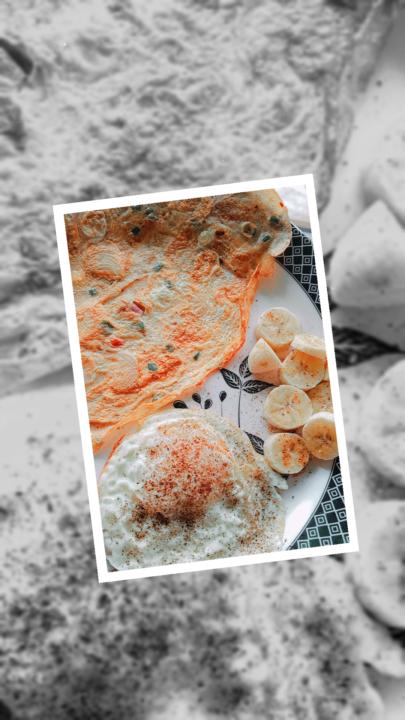
Day 114(mOnday)
Breakfast 1 omelette 1 friend egg 1 bnana Lunch Yesterday boil rice+ chicken Tikka Snack Bohat Sara watermelon Dinner Aloo+ 1 CD size chapati Steps 23k Workout 42 min strength training
0
0

11d •
Day 4 and 5(today)
Day 4 yesterday dinner: as already posted about bf and lunch Dinner was plain naan and seekh kbab with daal mash sorry bs ab avoid kron g naan🫣 Day 5: Breakfast: daal mash with pratha and some tea with brown sugar Mery ko tu aysa dhak dhak ho ra hy khany k bad 🫣 Mltb k weight km nh ho rha aur khany pe control nh ho rha boht mushkil lg rha 🥹 Kuch krna hy lkn smjh nh aa rha shuru kahan se kron 😔 Admins please guide i had pcos issue in the past but it was recovered but didn’t checked with doctor recently now don't know which challenge should i take?

1-30 of 13,412

skool.com/getfit-together
2026 Rester Resolution 🔥 - It’s time to take actions for achieving weight loss and fitness 💪
Leaderboard (30-day)
1
+1686
2

+937
3
+703
4

+575
5

+566
Powered by