
Pinned

11d •
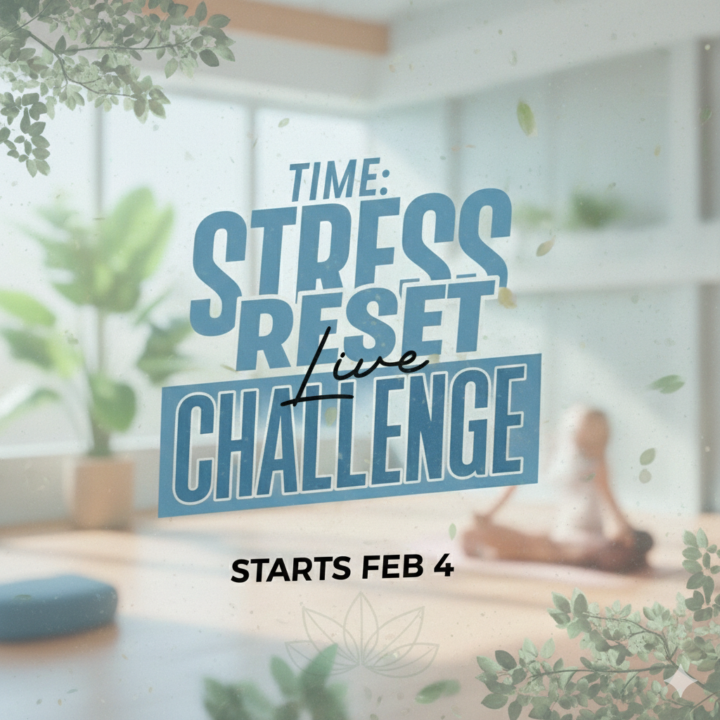
Stress Reset Challenge 🤬 > 😌
Before we move forward, let’s pause for a second. 💬 How did your Kitchen Detox go? Maybe you: - Removed trigger foods - Reorganized your shelves - Started sitting down for meals - Became more aware of mindless snacking Or maybe it felt harder than expected — and that’s okay too. 👉 Drop a comment below:What was ONE thing you noticed or learned during Kitchen Detox? Many of you probably realized something important 👇Even with a clean kitchen… stress still influences eating, cravings, sleep, and energy. That’s exactly why we’ve added a new challenge section in the Classroom 👇 🧠 NEW CHALLENGE: TSK – CALM UNDER PRESSURE 7 Days to Train Your Stress Response This challenge is now LIVE in the Classroom section. It’s not about removing stress (that’s impossible).It’s about training your body so stress doesn’t control: - Eating habits - Energy - Mood - Sleep - Weight & digestion No calorie counting.No motivation talks.No unrealistic routines. Just practical, body-based tools you can actually use in daily life. HOW TO START 👇 1️⃣ Go to Classroom 2️⃣ Open Weekly Challenges – Calm Under Pressure Challenge 3️⃣ Start with Day 1 4️⃣ Come back to THIS POST and comment your daily check-ins 🧵 This post will be our main challenge thread, just like Kitchen Detox.
Pinned

⭐
Dec '25 •
STEP BY STEP GUIDE ON WHAT TO DO NEXT (Newcomers)...!
Comment Done ✅ after you find the classroom and modules and filling the form attached below. STEP 1 ---> Go into the classroom Step 2 ---> Start here for on boarding (1st module) Step 3 ---> Read each step carefully and make your introduction post Step 3 ---> Start kickstart challenge (3rd module) Step 4 ---> If you will gain more points, next levels will start unlocking automatically Step 5 ---> You will gain points by liking posting pictures, writing daily routine, doing comments and likes on other people's posts 🚨 Read each & every step completely. Don't miss anything if you want to get results.
Pinned
Jan 1 •
📞 Who To Contact – TSK Team
To make sure you get the right help, fast, please use the guide below instead of messaging random members. Only contact official TSK team members listed here. 🧑💼 Community Manager Contact for: - Technical issues - Account access - Challenges, points, or rewards - Community rules - Any confusion about how things work 👉 Tag @Talha Anjum @Tsk Diet if something feels unclear. 🥗 Dietitians / Nutrition Coaches Contact for: - Diet plans - Meal reviews - Food swaps - Portion sizes - Health-based food questions 👉 Post your meals in the community and tag a @Laraib Awais @Hadia Saif @Dn. Hamda Zain 🧠 Senior Coaches Contact for: - Fat loss plateaus - Motivation issues - Health-related struggles - Mindset & consistency - Progress review 👉 Tag a @Dn. Alina Afzaal @Aneeqa Asif when you feel stuck or need deeper guidance. ⚠️ Important Safety Rule Only people listed in this section are part of TSKDIET . If anyone else messages you privately asking for: - Money - Coaching - Programs - Personal plans Please do not respond and report them immediately. Your safety and trust matters to us 💚 The best way to get support is: 1️⃣ Post in Queries Tab 2️⃣ Post your question clearly 3️⃣ Tag the relevant coach so they can respond faster This helps: - The right coach see your message - You get better, more accurate guidance - Other members learn from your question too Whether it’s about: - Diet - Weight loss - Health conditions - Motivation - Or consistency


11h •
Day 14
No exercise today Feeling unwell because of my ear and jaw pain but i try to eating well balanced meal Morning drink lemon water Breakfast Jo ki roti add alsi in it and mix vegetables salan 1 shami and 1 small bowl curd Lunch 1 wheat floor roti with saag Dinner 2 slice bread with mix veg salan

1d •
What Does Your Ramzan Routine Usually Look Like After Iftar?
Let’s talk about the part nobody plans properly. Everyone prepares for the fast. Very few prepare for what happens after maghrib. So be honest with yourself: After iftar… what usually happens? Do you: Eat quickly because you’re starving? Go back for second and third servings? Keep snacking until sleep? Sit down “for 5 minutes” and never move again? Feel too heavy to pray comfortably? Tell yourself you’ll walk… but don’t? This is not judgment. This is awareness. Because most Ramzan weight gain, bloating, low energy, and poor sleep don’t happen during the fast. They happen between iftar and sleep. What Usually Goes Wrong After fasting all day, your body is: Dehydrated Low on blood sugar Sensitive to large meals So when you suddenly overload it with: Fried food Large portions Sugary drinks Continuous grazing Your system goes into shock mode. Blood sugar spikes. Energy rises briefly. Then comes the crash. And instead of feeling light for taraweeh, you feel heavy. Sluggish. Sleepy. This becomes a cycle: Fast → Overeat → Feel heavy → Sleep late → Wake tired → Repeat. Why Structure Matters After Iftar Ramzan is not just about abstaining. It’s about discipline and balance. If there’s no plan after iftar, it turns into: “Let’s just see what happens.” And “let’s just see” often turns into: Random eating No movement Poor digestion Interrupted sleep Your body loves rhythm. Even in Ramzan. Especially in Ramzan. Ask Yourself Honestly Do I break my fast slowly or aggressively? Do I eat until satisfied… or until uncomfortable? Do I move after iftar? Do I have a cut-off time for food? Do I plan my evening or just react? Ramzan does not have to mean chaos. It can mean control. It can mean lightness. It can mean energy. But only if you’re intentional after maghrib. 💬 Be honest in the comments: What does your usual post-iftar routine actually look like? No perfection needed. Just honesty.
1-30 of 11,037

skool.com/getfit-together
2026 Reset Resolution 🔥 - It’s time to take action😎
Leaderboard (30-day)
1

🔥
+13380
2

🔥
+11774
3

🔥
+8757
4

🔥
+7003
5

+5632
Powered by