
Pinned

⭐
Dec '25 •
STEP BY STEP GUIDE ON WHAT TO DO NEXT (Newcomers)...!
Comment Done ✅ after you find the classroom and modules and filling the form attached below. STEP 1 ---> Go into the classroom Step 2 ---> Start here for on boarding (1st module) Step 3 ---> Read each step carefully and make your introduction post Step 3 ---> Start kickstart challenge (3rd module) Step 4 ---> If you will gain more points, next levels will start unlocking automatically Step 5 ---> You will gain points by liking posting pictures, writing daily routine, doing comments and likes on other people's posts 🚨 Read each & every step completely. Don't miss anything if you want to get results.
Pinned

Jan 1 •
📞 Who To Contact – TSK Team
To make sure you get the right help, fast, please use the guide below instead of messaging random members. Only contact official TSK team members listed here. 🧑💼 Community Manager Contact for: - Technical issues - Account access - Challenges, points, or rewards - Community rules - Any confusion about how things work 👉 Tag @Talha Anjum @Tsk Diet if something feels unclear. 🥗 Dietitians / Nutrition Coaches Contact for: - Diet plans - Meal reviews - Food swaps - Portion sizes - Health-based food questions 👉 Post your meals in the community and tag a @Laraib Awais @Hadia Saif @Dn. Hamda Zain 🧠 Senior Coaches Contact for: - Fat loss plateaus - Motivation issues - Health-related struggles - Mindset & consistency - Progress review 👉 Tag a @Dn. Alina Afzaal @Aneeqa Asif when you feel stuck or need deeper guidance. ⚠️ Important Safety Rule Only people listed in this section are part of TSKDIET . If anyone else messages you privately asking for: - Money - Coaching - Programs - Personal plans Please do not respond and report them immediately. Your safety and trust matters to us 💚 The best way to get support is: 1️⃣ Post in Queries Tab 2️⃣ Post your question clearly 3️⃣ Tag the relevant coach so they can respond faster This helps: - The right coach see your message - You get better, more accurate guidance - Other members learn from your question too Whether it’s about: - Diet - Weight loss - Health conditions - Motivation - Or consistency

⭐
2h •
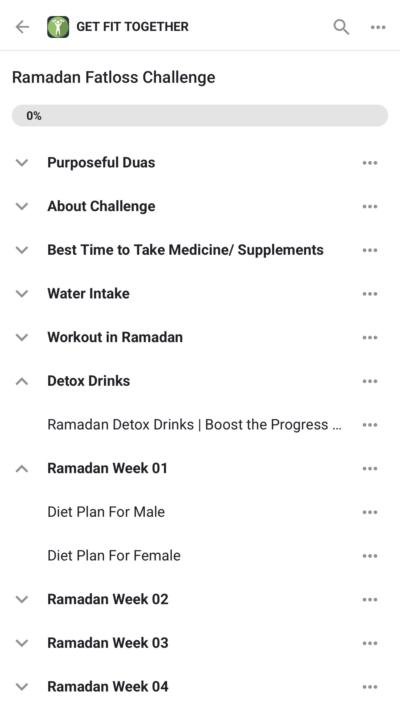
🌙 Ramzan Challenge Uploaded 🚀
Are you ready? Comment “READY” after reading full post. Ramzan Fat loss challenge is officially uploaded inside the Classroom. 😍🌸 This is not just a diet plan. This is a structured Ramzan system. Inside the challenge you’ll get: ✔ Best timing for medicines and supplements ✔ Proper water intake structure ✔ Ramzan workout guidance ✔ Detox drink recipes ✔ Weekly structured diet plans ✔ Separate plans for males and females Everything is organized week by week so you don’t feel confused about what to do next. Yes, this community is free. And it will always stay free. But the Ramzan Challenge is priced at Rs. 2,500 for one simple reason: When something costs nothing, most people don’t value it. This small amount is not for profit. It’s for your commitment. Ramzan is about discipline. Control. Growth. This challenge includes structured guidance, proper diet planning, accountability, and a system to help you actually see results by Eid. The fee is there to make sure you show up for yourself. If you’re serious about improving your health this Ramzan, the challenge is now uploaded and ready for you. Let’s make this Ramzan about transformation, not just iftar plates. 💪

2d •
Late Sehri or Skipped Sehri — What’s Your Habit?
Let’s be honest. When it comes to sehri, most people fall into one of two categories: 1️⃣ Wake up very late, eat quickly, and go back to sleep. 2️⃣ Skip sehri completely because “I’m not hungry.” Which one are you? This one habit alone can decide your: Energy during the fast Cravings at iftar Mood stability Fat gain or fat control Ability to focus in ibadah And yet… it’s the most ignored meal of Ramzan. ❌ Skipping Sehri: What Really Happens Many people think: “If I skip sehri, I’ll lose more weight.” But what actually happens? Your body: Starts the fast already under-fueled Experiences stronger energy dips Triggers higher stress hormones Increases cravings at iftar Makes overeating more likely By maghrib, you’re not just hungry — you’re desperate. And desperation never leads to balanced decisions. ❌ Very Late, Heavy Sehri On the other side… You wake up 10 minutes before Fajr. Eat whatever is easiest. Maybe something heavy. Maybe sugary tea. Maybe leftovers. Then immediately lie down again. Now digestion is poor. Sleep quality drops. You wake up groggy. And by midday, energy crashes. It feels like fasting is harder than it should be. ✅ What Sehri Is Supposed to Do Sehri is not just a ritual. It is: A metabolic anchor An energy stabilizer A hunger regulator A performance booster A balanced sehri helps: Control cravings at iftar Maintain steady energy Reduce headaches Prevent overeating Support fat loss instead of fat gain Ramzan feels lighter when sehri is structured. Ask Yourself Honestly Do I treat sehri intentionally or casually? Am I fueling for stability or just “getting by”? Do I wake up early enough to eat calmly? Or do I rush and regret it later? Ramzan without proper sehri turns into survival mode. Ramzan with structured sehri feels controlled and balanced. 💬 Be honest: Are you team “late sehri” or team “skip sehri”? And how does it affect your energy during the day?

🔥
Jan 11 •
10 Days Done – Amazing Work! 🎉
If you’ve completed the first 10 days of the Kick Start Challenge, give yourself a big pat on the back 👏 This wasn’t easy—and you showed up for yourself. 👉 What’s next? For the next 5 days, keep doing exactly what you’ve been doing during the challenge: - Stay consistent with your meals - Keep up with hydration - Follow your daily activity/workouts - Prioritize sleep and self-care These 5 days are about cementing habits, not changing everything. Consistency now will make the next phase much more effective. 🔓 What’s coming after Day 15? Once you complete these next 5 days, your diet plan and workout plan will be unlocked for you 🎯 📢 Important: Don’t forget to post your daily updates in the community. Your progress might be the motivation someone else needs today—and staying visible keeps you accountable too ❤️ Keep going. You’re building momentum, and the best part is just ahead! 🚀
1-30 of 11,165

skool.com/getfit-together
2026 Reset Resolution 🔥 - It’s time to take action😎
Leaderboard (30-day)
1

🔥
+13782
2

🔥
+11625
3

🔥
+8926
4

🔥
+6670
5

+5485
Powered by