
Mar 25 •
Anyone heading to a dance event this weekend? 👀🪩
Who’s got something dance-related this weekend? Convention, comp, performing, or just going to watch? I want to hear 👇 If you’re going, don’t just focus on how you look… Pay attention to how you feel — and what thoughts come with those feelings. That awareness is what makes the difference between: feeling overwhelmed and actually growing from the experience… no matter what it brings up!
0
0
Feb 5 •
What have you been noticing this week? 👀
Hello my portal friends! 🤩 Last week we talked about something that matters so much: Shifting negative thoughts into believable thoughts — the kind that actually help you move forward instead of spiraling. So I want to check in… What did you notice this week? Did any thoughts like these pop up? “I’m not improving fast enough.” “Everyone is better than me.” “I always mess up when I’m being watched.” “My body isn’t made for this.” “I’m behind and I’ll never catch up.” And if they did… were you able to shift it, even slightly? Not into fake positivity or something that feels too far away-- but into something true for you right now. It can be simple like: “I’m progressing every time I practice.” “I don’t need to be perfect to be impactful.” “I can take corrections without collapsing.” “My body is gaining strength and control.” “I belong in this room while I grow.” What happened when you tried your shift? Did you feel more grounded in class? More willing to try again? More open instead of shut down? And if you didn’t feel a shift yet — that’s okay. This is literally the work. Sometimes we just need help finding the next thought that feels believable enough to stand on. So here’s your invitation: Comment SHIFT below if you want help working through a limiting belief you're dealing with right now. 🫶🏻✨ I’m here to walk through it with you to find accessible shifts in your thoughts and actionable steps you can take! We all have these thoughts — it’s what you do with them that launches you towards your goals.
0
0
Jan 28 •
How’s everyone feeling this week? ✨
Let’s reflect on the week so far ✨ First: What’s one kind thing you thought about yourself this week? It could be a win, a breakthrough, or even a moment where you felt a little more confident than you did last week. Big or small — take a moment to celebrate yourself. These are the inspo blocks that keep you going. Next: What’s one negative thought you had about yourself this week? It could be as simple as: “I can’t do it.” (I think we’re all guilty of that one sometimes ⬆️😂) Now let’s pause there — because this is where the work begins. ⸻ Let’s rewrite the story 📝 Take that negative thought and flip it into a positive one — but here’s the key 👇 It has to feel believable. Even if you want a thought to be true, if part of you believes it’s impossible, that inner resistance creates a block. So instead of jumping to the end result, make small, believable shifts in your thinking. Let reality catch up — then shift again. ⸻ Example (true story — names changed 🫶🏻) Jenny is working on her pirouettes. She can do a clean double consistently, but every time she pushes for more and falls out, she thinks: “Ugh. I can’t do it. I’m just not good at turning.” Her ultimate goal is five effortless pirouettes. She sees her favorite dancers doing it — and the gap between where she is and where she wants to be starts to feel overwhelming. Frustration builds. Judgment creeps in. Her body tightens in fear — and eventually, she quits for the day. That night, Jenny tries to “think positive” and comes back the next day repeating: “I can do five pirouettes effortlessly.” But her body doesn’t believe it. It’s never done that before. Instead of confidence, she feels pressure. Anxiety. Fear. She tries again — and leaves defeated again. The next day, Jenny tried something different. Instead of repeating “I can’t do it” — or swinging all the way to “I can do five pirouettes effortlessly” — she chose a thought her body could actually believe: “I can do two pirouettes effortlessly, and soon I’ll be doing three.”
0
0
Jan 24 •
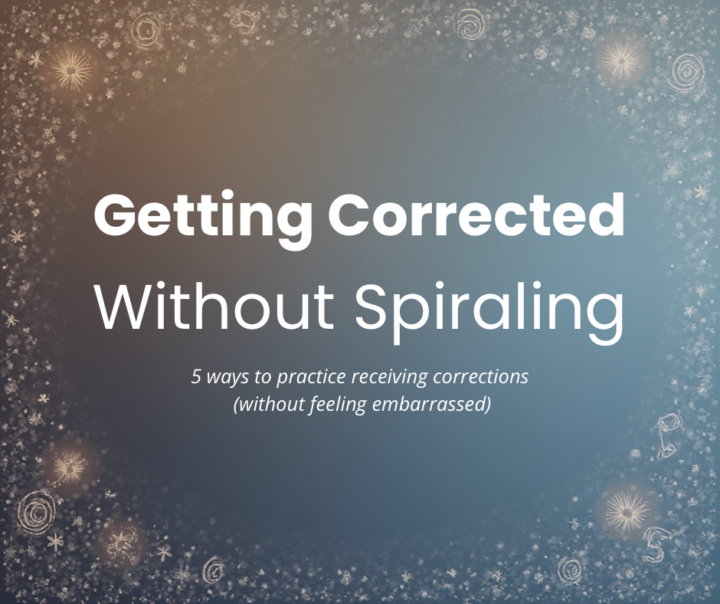
Getting Corrected Without Spiraling 🌀
Here are 5 ways you can practice receiving corrections without feeling attacked or embarrassed. If you watched my last video on receiving corrections and thought, “This resonates… but how do I actually change this?” — you’re not alone. Here’s something important to remember: You can’t just switch feelings off. They’re shaped by your nervous system and the thoughts running quietly in the background. So instead of pretending to feel confident, we practice a new response. Just like we condition our bodies, we can condition our brains. The 5 tools in this video are small mindset shifts that help you stay open, grounded, and confident when corrections come — without shutting down or taking it personally. If anything in this brings up questions or reflections, feel free to comment below. And if sharing publicly feels uncomfortable, my inbox is always open. 🫶🏻✨
0
0
Jan 22 •
⚡️✨Let’s play Portal Drop! ✨⚡️
It’s Thursday!! Time to take a breath. Notice what happens in your body or mind when you read this word— PRESSURE 🎯 Drop the FIRST thought or feeling that pops up. No overthinking. No judging. Just what shows up honestly. Pressure can feel motivating, heavy, exciting, overwhelming — or different every day. There’s no right answer here. ⬇️ Comment your first thought or feeling below ⬇️ I’ll be reading and responding to your word drops, and together we’ll start noticing patterns and reshaping how pressure shows up in our dancing and in our lives. 🤍✨
0
0
1-15 of 15
powered by
skool.com/the-holistic-dancer-2824
Helping dancers refine technique and performance skills through mindset training and body awareness. —built and led by Jaimie Goodwin ✨
Suggested communities
Powered by