

2d •
Mitochondrial Health Optimization added to the Masterclass Vault 🔥
🚨 New Classroom Drop: Cellular Secrets to Lasting Energy We just unlocked the full Mitochondrial Health Masterclass in the Classroom! Dr. Olli and Teemu Arina break down exactly how to charge your cellular batteries—covering the top 10 supplements (like NAD+ and CoQ10), red light therapy protocols, and the best biohacks for recovery. 👉 Start watching here: https://www.skool.com/hololife-academy/classroom/8898232f?md=32c8bf38bd4941f19a3d4bc6f7a358be
7d •
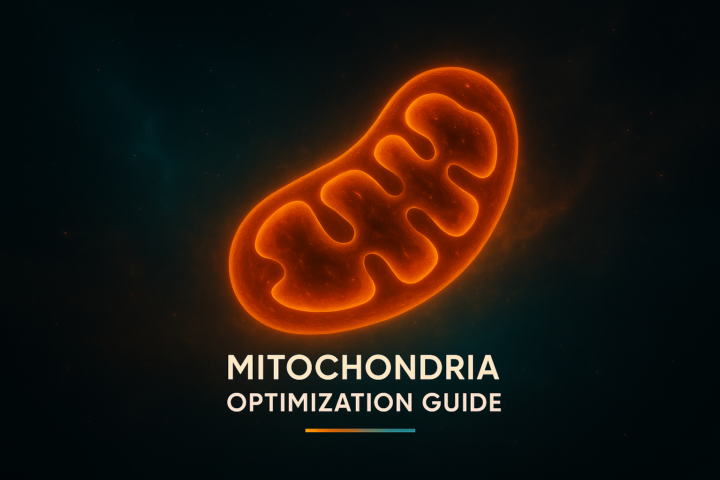
Mitochondria Optimization Guide
New guide on the Longevity Protocol Guides section is live! Check it out here: https://www.skool.com/hololife-academy/classroom/eda1314d?md=0d11adff0c2446f2822454630524d5e6

8d •
Hololife Mastermind Call - Hero's Journey and Intermittent Fasting
You will find the article and video here: https://www.skool.com/hololife-academy/classroom/c938db8d Real transformation is a balance of deep inner work and precise biological optimization. In our latest session, we explored the concept of the "Inner Winter": taking time to digest the past and heal the ego before rising into your true power using the Hero’s Journey framework. We paired this with a technical masterclass on intermittent fasting, breaking down how metabolic switching heals inflammation and improves insulin sensitivity. Key takeaways included why salt is the ultimate pre-workout for performance and the crucial importance of women syncing fasting with their cycle (specifically avoiding it during the week before menstruation) to honor hormonal needs. Remember, you don't need to overhaul the next 40 years today; real change happens by focusing on the small, actionable steps you can take right now.

19d •
Wool socks and grounding
Thank you Olli for mentioning wool socks ground, did a sprinting workout yesterday outside in wool socks! Anyone else work out grounded in wool socks lol? 😂😎🙌
Oct 29 •
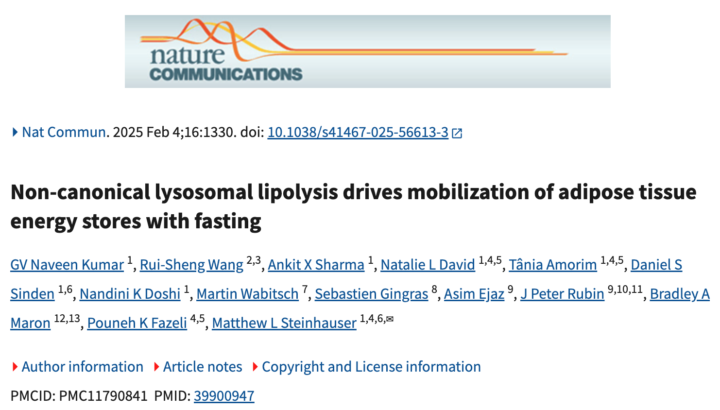
New research paper on fasting, autophagy and advanced fat loss
Read it here: https://pmc.ncbi.nlm.nih.gov/articles/PMC11790841/ My review is as follows -> Core finding: - The paper shows a second fat-mobilizing system in adipocytes. - Early fasting and adrenergic stress rely on the canonical neutral lipases, with ATGL as the rate-limiting enzyme. - Prolonged fasting shifts control to a lysosomal pathway that uses lysosomal acid lipase (LAL/LIPA) and is driven by MiT/TFE transcription factors (TFEB, TFE3, MITF). - Blocking lysosomes pharmacologically or genetically reduces fasting-induced release of free fatty acids and glycerol in mice. - Human support: nutrient restriction in human adipocytes and human fat explants also shows LIPA-dependent lipolysis. Simple physiology model (sequence during a fast): 1. 0–6 h: post-absorptive. Glycogen supplies glucose. Lipolysis is low. 2. 6–12 h: rising catecholamines. ATGL-dependent lipolysis increases. Free fatty acids rise. 3. ~12–24+ h: shift in adipocytes. Lysosomal program ramps up (TFEB/TFE3/MITF↑, LAL↑). LIPA-dependent lipolysis dominates. Ketones rise. Glucose falls. 4. Refeed: lysosomal signals ease; other lipases and lipogenesis genes change again. Bottom line: - Fasting uses two lipolytic systems with different time courses. - ATGL handles rapid responses. - Lysosomal LIPA handles prolonged fat mobilization. - For advanced fat loss, design fasting that regularly enters the ≥12–24 h window, manage refeeds, and support with electrolytes and sensible activity. - This approach aligns physiology with practice and may improve consistency in fat loss beyond short fasts.
1-16 of 16

skool.com/hololife-academy
Optimal nutrition, diet, lifestyle, longevity from award-winning Biohacker’s Handbook authors. Leverage 10+ years of biohacking expertise.
Leaderboard (30-day)
1

+23
2
+20
3

+18
4

+10
5

+8
Powered by