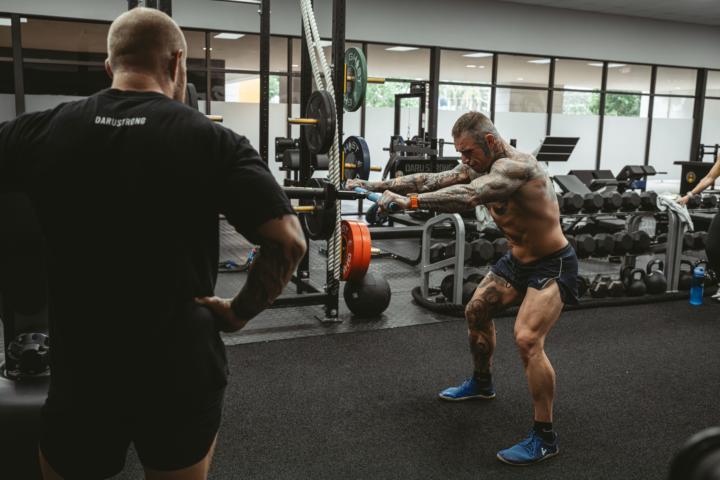
Hypoxic Training For High Altitude Competitions
PROTOCOL 1: Alactic Hypoxic Power Intervals Purpose: Maintain power output under oxygen debt (round-opening exchanges, scrambles) Structure - 6–10 rounds - 10–15 sec all-out effort (sled push, bike sprint, med ball slam, pad flurry) - Immediately post-effort:→ Max breath hold after exhale (passive) - Recovery: Walk + nasal breathing until breathing normalizes (~60–90 sec) Coaching cues - Relax the face and jaw - No panic—calm through discomfort - Quality > volume Progression - Add rounds before adding intensity - Cap breath holds at ~45–60 sec (no forcing) PROTOCOL 2: Glycolytic Fight-Round Hypoxia Purpose: Tolerate acid + CO₂ at altitude (mid-round fatigue) Structure - 3–5 × 3–5 min rounds - Continuous work (pads, bag, grappling circuits) - Every 30–45 sec:→ 5–10 sec breath hold on exhale, then resume work Between rounds - Nasal breathing only - Hands overhead or walking slowly Progression - Shorten rest before rounds - Increase breath-hold frequency slightly PROTOCOL 3: Post-Round CO₂ Tolerance Reset Purpose: Faster recovery between rounds at altitude Immediately after a hard round - 3–5 cycles: 4 sec nasal inhale 6–8 sec slow nasal exhale 10–15 sec breath hold on exhale This teaches control when oxygen is limited and heart rate is high. PROTOCOL 4: CNS + Parasympathetic Anchor (Low Stress Days) Purpose: Improve hypoxic tolerance without beating them up Supine or seated - 5–8 rounds: 4 sec nasal inhale 8 sec nasal exhale Max comfortable breath hold (post-exhale) Stop if dizziness or panic appears. WEEKLY IMPLEMENTATION (Fight Camp) - 2x/week: Protocol 1 or 2 (high intensity days) - 2–3x/week: Protocol 4 (warm-up or cooldown) - Always: Nasal breathing emphasis between rounds KEY SAFETY RULES (IMPORTANT) - No breath holds during explosive movement - All holds after exhale - Stop if: Dizziness Tunnel vision Loss of motor controL