
Pinned
Sep '25 •
NEW HERE? 💪 DO THIS FIRST ‼️
This is all you have to right now: Step 1 - Make a post under “Intro” category with: - Where you're from - Why you're here - Photo of yourself! That's it. You’ll get a huge, warm welcome! Then... Step 2 - Go to the "CLASSROOM" tab and start. All you need to do is show up and engage yourself with this amazing community. Step 3 - Start your free 5-Day Fat Loss Sprint video course once you get to Level 2! 🔥
Pinned
5d •
Big shout out to Kara! ♥️ Reversed her pre-diabetes diagnosis!
I want to share something about one of our clients, Kara. She's a doctor. Long hours, random shifts, eating whenever she could fit it in. For years she'd been losing and regaining the same 10-15 lbs. She'd lose weight for a couple of months, get sick of what she was doing, stop, and by April she was heavier than when she started. On top of that, she was pre-diabetic. So we didn't put her on a diet. We just taught her how food actually works. How calories work. How protein works. How to build meals that keep you full without eating like a monk. She was still eating takeout when she was too tired to cook. Still having snacks. Still living a NORMAL life. 🔥 Down 26 lbs. But the bigger win was that she reversed her pre-diabetes diagnosis. That's the stuff that actually matters long term. Anyways.. if you've ever told yourself that nothing works for you, or that you're the exception, I just wanted to remind you that you're probably not. You've just never been taught the fundamentals properly. Shoutout coach @Carlos Hellstern for the support! 🫡 Feel free to DM me if you want to lose all your excess body fat, still live your life, and guarantee your results ♥️

Pinned
26d •
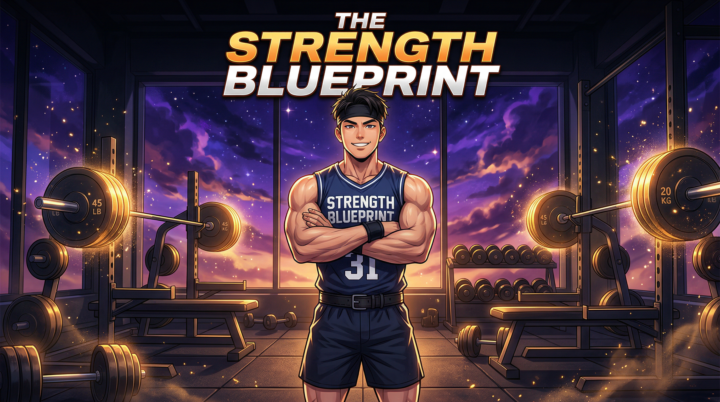
Something new I built for the community 👇
One thing I’ve noticed in here is that a lot of people want to get stronger and build muscle… but feel like they’re guessing in the gym. Random workouts. Random exercises. Trying to copy what they see online. So I decided to build something for this group. I just finished putting together a full STRENGTH BLUEPRINT training course that walks you through how to train properly without overcomplicating things. Inside it I cover things like: ⭐️ The foundations of strength training ⭐️ The main movement patterns you should know ⭐️ 3 complete workout programs depending on how many days you train ⭐️ How to build your own programs later ⭐️ And a full exercise library you can reference anytime I also included a section explaining the science behind muscle building in a way that actually makes sense. The idea is that once you go through this, you should never feel like you’re guessing what to do in the gym again. I’m offering it to the first 30 members here for $27 lifetime access. I love rewarding action takers! 🫡 No subscription. Just a resource you can use whenever you want. 🚨 The course fee will be bumped to $49 after the first 30. If you’re interested, comment STRONG below and I’ll send you the details. And if you’re not someone focused on strength training right now, no worries — the regular content in here isn’t changing. Just wanted to make this available for those who want it 👊
🔥
1h •
Progress Isn’t Linear
This week started strong. By the end of it? Sleep debt hit hard. Old mindset would’ve said: “Push through. Don’t stop.” Current mindset: “Recover properly so next week isn’t compromised.” I took yesterday to reset because long-term consistency beats short-term stubbornness every single time. I feel so much better for it and ready to smash this week and to make sleep a focus. Anyone relate?

🔥
2h •
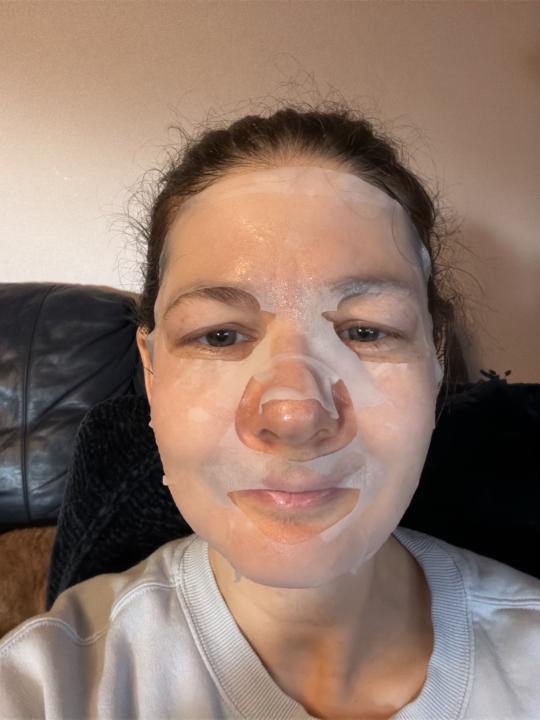
Scaring my husband lol
I scared my husband this morning he walked in to see me with this thing on my face. Feels kind of nice but not sure I’m doing it right !! Life has been what life is and I’ve been trying to stay consistent while thill having fun and trying new things. I’m back down in my weight and hoping to not get another spike but such is life. I was sore from my tournament but I still did my workout this morning and got some new PRs so I consider that a win.
1-30 of 1,778
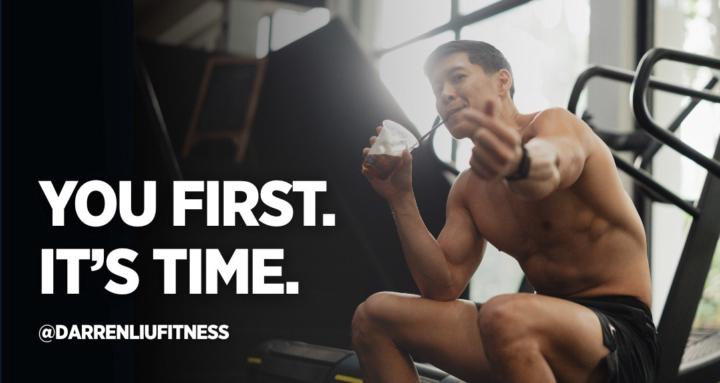
skool.com/darrenliufitness
Learn how to lose 20+ lbs of fat (for life) in 3 months 🫡
Leaderboard (30-day)
1

+1927
2
🔥
+1697
3
+1574
4
+1253
5

+1115
Powered by