
Write something
Pinned

1d •
Weekly BOS Member Shoutouts 🔥
Gentlemen, here are a few standout posts from the Brotherhood of Scent community this week. 👏 Big shoutout to @Nestor Lopez for "Overrated!" — a playful but passionate call for the community to name the fragrances everyone hypes that just didn't live up to the buzz. The result? 76 comments of lively, good-natured debate that had the whole community weighing in. Post: https://www.skool.com/bos/overrated-3 👏 Shoutout to @Renato Carotti for "An update on your order from The Parfums......." — sharing a real-world fragrance buying experience with patience and good humor. Renato's candid post about navigating the wait on a shipment is a reminder that the hunt is part of the journey. Post: https://www.skool.com/bos/an-update-on-your-order-from-the-parfums 👏 Shoutout to @Keith Mason for "Stepping Away from Fragrantica" — an honest, personal decision to move on from a long-used fragrance resource, shared without judgment toward those who still enjoy it. Keith's thoughtful take sparked a nuanced 50-comment discussion about how our fragrance tools and communities evolve. Post: https://www.skool.com/bos/stepping-away-from-fragrantica 👏 Shoutout to @Darren Poesel for "Vintage Radio…A New Classic" — a post that clearly struck a chord, earning 37 likes and 32 comments. Darren's appreciation for the classics reminds us why timeless scents never go out of style. Post: https://www.skool.com/bos/vintage-radioa-new-classic Keep the conversations bold, the noses sharp, and the brotherhood strong.
Pinned

1d •
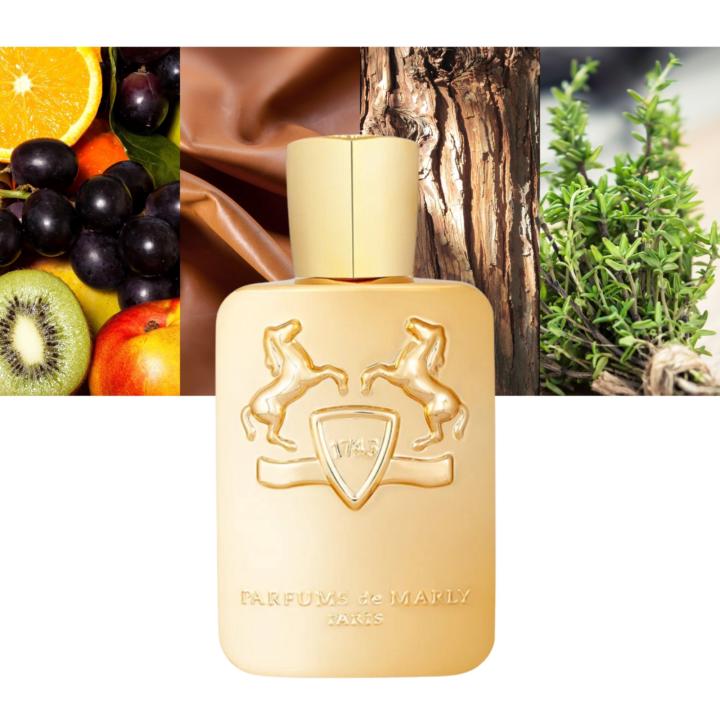
🐎 Parfums de Marly Royal Stable – Iconic Horses on Sale
🏇 Godolphin – 42% OFF https://get.aspr.app/SH1Nwu Saffron, leather, and tobacco in a smooth, aristocratic gallop. ⚔️ Perseus – 40% OFF https://get.aspr.app/SH1WOd A green, herbal-citrus burst with refined Marly craftsmanship. 🏆 Layton – 36% OFF https://get.aspr.app/SH1H2t The modern sweet-spicy benchmark that defined a generation of gourmands. 🩸 Herod – 32% OFF https://get.aspr.app/SH1nED Cinnamon, tobacco, and vanilla warmth with regal presence. 🐎 Pegasus – 32% OFF https://get.aspr.app/SH1nEE Creamy almond, heliotrope, and vanilla — arguably PDM's most beloved.
Pinned

Jun 5 •
Why Join Brotherhood Of Scent Premium?
I’ve stacked so much value into BOS Premium that honestly I think it’s a no-brainer YES decision to join. https://www.skool.com/bos/plans The details: - "Inner Circle Mastermind" LIVE Monthly Call Access Q&A with Perfumers & Frag Experts - Access To 5+ Premiun Fragrance Courses Designed To Level Up Your Knowledge of Scent - $1,000+ in retail discounts & price check guarantee (always get best deal save $$$) - Access To Challenge & Prizes - As a Patron the "activity" requirement doesn't apply to you. Thank you for your support! - Complete Mission Fragrance Set ($595 Value) - Your own "Personal Fragrance Concierge" (PFC) to help choose your perfect scent - MF Academy & Mindset Coaching ($2,000 Value) - Three Travel Atomizers (value $45) & Limited Edition MF Challenge Coin (value $35) - Invite To LIVE Event (Dallas, Oct 2026) Click here to join us - https://www.skool.com/bos/plans
64
0

🔥
4h •
The Latest iteration of my scent journey and collection.
I started my latest and revisited fragrance journey with Middle Eastern dupes, influenced by hype and the belief that cheaper options offered better value and possibly the same ingredients for less. At the time, I thought I was making smart choices. Looking back, it had an unexpected impact. Working in transportation, where income depends on clients, I chose not to settle. Instead, I set a goal, worked harder, gained more clients, and eventually tripled my business so I could afford the niche and artisan fragrances I truly wanted. What began as buying cheaper fragrances became a motivation to improve my situation. It pushed me to grow rather than convince myself I didn’t want better quality. That’s why I share my journey—not just to explain clone, designer, niche, and artisan houses, but to encourage others to set goals, work toward them, and put themselves in a position to enjoy what they truly want. There’s nothing wrong with starting with clones or staying within your budget. But don’t let hype or circumstances limit your ambitions. Set goals, improve your situation, and reward yourself when you achieve them. This applies beyond fragrances. What we want can motivate us to build better businesses, improve finances, get promotions, and grow personally. The goal isn’t just owning expensive bottles—it’s becoming someone who sets goals, achieves them, and enjoys the rewards without guilt.
🔥
10m •
Designer, Niche, Artisan, and Clones: What Really Sells, Who Gets the Best Materials, and Where Redundancy Begins
Do people really hate designer fragrances? I do not think so. Designer fragrances are still what most people know, wear, and enjoy. They are easy to find, usually very wearable, and many of them smell great. I think most of the hate comes from deeper fragrance communities where some people start believing niche automatically means better and designer automatically means basic. That is simply not true. When you look at the fragrance market as a whole, designer fragrances still sell the most by a large margin. Niche comes behind designer, clones, and inspired fragrances continue to grow because of their lower prices, and true small-batch artisan perfumery is probably the smallest category in total sales. Artisan may be the smallest, but it can also be one of the most creative because those perfumers are not always trying to appeal to the largest possible audience. Clone fragrances can appear much bigger than they actually are because of Facebook groups, YouTube, TikTok, influencers, and online fragrance communities. When you are inside a clone-focused group, it can seem like Lattafa, Armaf, DUA, Alexandria, Montagne, and other inspired houses control the fragrance market. In the real world, major designer houses still sell on a completely different level because of department stores, worldwide distribution, advertising, gift sets, airports, and general name recognition. Niche fragrances usually sell fewer bottles than designer fragrances, but they can make more money per bottle because of the higher prices. Artisan houses normally have smaller production, fewer retailers, and less advertising, so they are not competing in volume. They are often selling creativity, craftsmanship, unusual materials, and a more personal vision instead of trying to create something for everyone. Another part of this discussion is where the raw materials and fragrance formulas come from. A relatively small group of major fragrance-and-flavor companies—including Givaudan, DSM-Firmenich, IFF, and Symrise—has enormous influence over the industry. These companies create aroma chemicals, process natural ingredients, develop exclusive captive molecules, employ many of the world’s leading perfumers, and formulate fragrances for major brands. They work across the market, from everyday consumer products to prestige and fine fragrance.
0
0
1-30 of 44,118
skool.com/bos
#1 Fragrance Community 🏆
Our mission is to help YOU leverage the power of scent to become the man you know yourself to be.
Leaderboard (30-day)
1
🔥
+2704
2

🔥
+1616
3

🔥
+1384
4

+1218
5
🔥
+1096
Powered by