Activity
Mon
Wed
Fri
Sun
Aug
Sep
Oct
Nov
Dec
Jan
Feb
Mar
Apr
May
Jun
What is this?
Less
More
Owned by Jonah
For TTRPG GMs to learn & practice running excellent games with D&D, Pathfinder, and More! Hosted by the authors of the Game Master’s Handbook Series.
Memberships
Specialty Coffee Community
2.9k members • Free
Skoolers
168.2k members • Free
170 contributions to Game Master's Laboratory

May 26 •
Workshop your game with us this Sunday!
It's time for a community workshop. This Sunday evening at 7pm Eastern, come talk about your ongoing game(s) that you're running. This event is for GMs who are using (or moving towards) a proactive approach to running the game. We'll talk about: - Your PCs' goals and how to sharpen them - How you could react to those goals with factions, NPCs, and locations - Encounter design that's fun and also moves the story forward in a meaningful way These are pretty fun and usually pretty small (3-4 people), so come with your notes and prepared to talk in detail about your game. Also please come ready to give other GMs ideas - it's best when we all riff together. (This event is for Gold members only - if you aren't Gold yet, you can read about what it is here).
1 like • May 28
@Eric Person Great! We will probably wrap up by 8 or 8:15 so we should have plenty of time.
1 like • May 28
@Jeremy Roberts Looks like it's pretty early in the morning over there, like 7 - 9 am or something 😅
Aug '24 •
Welcome to the Game Master's Laboratory!
Welcome to the Game Master Laboratory! This is a place for people who are running (or planning) TTRPG games to brainstorm ideas with other GMs, share ideas and resources, and test their creations with each other. I recorded a short video to get you started, which you can view in this post. It's all about what we do here, but it's also about how to use Skool, so if you're new to Skool, make sure to check that out! If we haven't met you yet, we would like to. Please make a post in the "General Discussion" channel to introduce yourself and tell us... 1. Which systems you like to play/run 2. A bit about the games you're running right now Glad you're here. DM us if you have any questions.

5 likes • Aug '24
ANOTHER addendum: Skool has a mobile app that's quite good, so consider checking that out!
2 likes • May 1
@Mike Robertson hey welcome Mike! Glad you're here, thanks for checking out the book. We would love to hear about your Daggerheart game as it progresses.

Oct '25 •
Beyond The Wall (campaign journal)
I pulled together a group of story focused players to try an emergent campaign (collaborative+proactive). I am going to use this thread to share periodic updates on how it is going and what is working. Meetings will be sparse this fall and then weekly after the new year. It is five players from my in-person games who had to move out of town.
2 likes • Mar 26
@Eric Person Fantastic, sounds like they're really gelling. This is the kind of thing that can't happen in the first few sessions, when the characters don't know each other (I guess unless the players are really into it and know each other already). I think this is great! Hope it keeps happening.
2 likes • Apr 24
@Eric Person "First time the group said they needed a break before we continued. They were mad, really mad (the good kind)." This is fantastic, it feels great to spark that kind of feeling at the table
Apr 17 •
Links from today's coffee hour
If you haven't popped into the Friday 11am ET Coffee Hour yet, you should! Had a great conversation about our games today, did some workshopping of member ideas, and talked about DNA as forensic evidence in court cases. - Some puzzles we can emulate across multiple sessions (not for the faint of heart!): greatpuzzlehunt.com/puzzles - What @Mark Petersen is painting right now: myminifactory.com/object/3d-print-vile-steel-dragon-gargantuan-size-114270 - Here's a thread from 2004 with Unknown-Armies-style rumors! forum.rpg.net/index.php?threads/unknown-armies-plot-in-a-line-thread.120418/ - A guide (possible from Ginny Di originally?) for helping players thinki through their warlock/patron relationship: docs.google.com/document/d/1JXte43MW6LQUZ6spO1CWv8tguhjtn1ZJAtr4ICZ8dxk/edit?usp=sharing We also talked a lot about puzzles today and how to implement them in sessions. If you have any links I missed, drop them in the comments!

Apr 10 •
Signups for Open Table Game 4/15
Sorry it's late! I've been totally out of commission the past few days with a nasty virus (which had me canceling our last two games! Sorry folks) I am fully recovered and excited to play. Here's the link if you'd like to sign up: https://www.signupgenius.com/go/70A0B44AFA723A2FB6-63313928-blades#/ More info on what this is is available here: https://www.skool.com/game-masters-laboratory/play-with-us?p=0c940865
1 like • Apr 16
@Tristan Fishel probably @Sara Gly ?
1-10 of 170
@jonah-fishel-3792
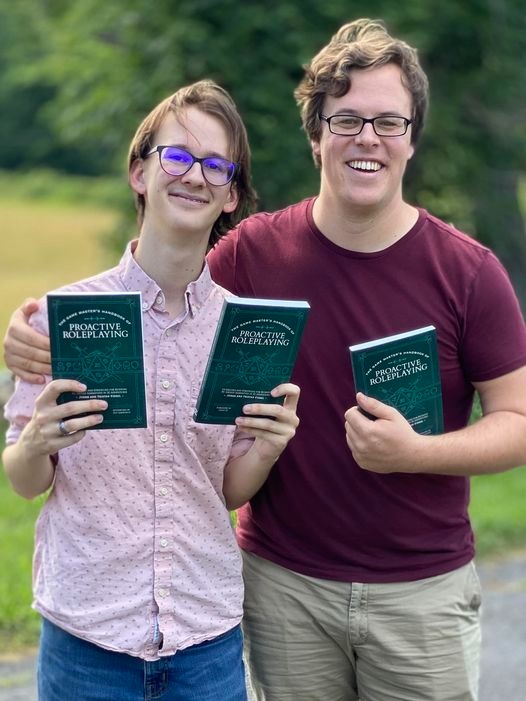
Building a space for GMs to teach and learn how to run better games. Authors of "The Game Master's Handbook of Proactive Role-Playing".
Active 7d ago
Joined Aug 6, 2024
Powered by