

18h •
Do you ever think about the amount of protein you’re eating in a day?
— not guessed, not roughly estimated, but actually added it up?😱 Most women never do. And when they finally do, the number surprises them. After 50, due to the combination of declining hormones (especially oestrogen) and increased cortisol, creates a higher protein need to combat muscle catabolism (breakdown of muscle). Have you noticed that since menopause you’ve found your arm muscles become slacker, your tricep muscles (bingo wings) get flabbier? Your body now needs more protein because your muscles, bones, metabolism, skin, hormones, and energy all depend on it. The protein you got away with in your 30s and 40s may not be enough now. This is where the protein gap starts. Many women begin the day with toast, oats, fruit, or coffee — and only get around 4 to 8 grams of protein, when their bodies need closer to 25 to 35 grams in the morning. Lunch might be a ‘healthy’ salad or soup, but without a real protein source, it won't give your body enough support. Then most of the day's protein gets pushed into dinner, and your body misses key chances to repair, rebuild, and stay strong. The result can feel like fatigue, muscle loss, a slower metabolism, cravings, and stubborn weight gain. And so many women blame age. But often, it's a protein gap. So, not only do we need to look at why our exercise is no longer working for us to build lean mass, but we also have to look at protein needs, because if we have a reduction in our stimulus and responses, then we have to look at how do we change these two to actually create an anabolic (building up) stimulus. Not addressing this leads to an increase deep visceral belly fat. How much protein is enough? If you're living a relatively sedentary lifestyle (and I urge you not to be sedentary!), aim for slightly less than 0.8g x lb of body weight approx. For overweight women, protein needs should ideally be calculated based on ideal body weight. If you're living a more active lifestyle, your protein needs will be higher.
May 19 •
💧DAY 2 IS LIVE — Hydration!
Before you blame your hormones or your metabolism for tiredness, hunger, or belly fat — ask yourself: am I actually drinking enough water? Today's lesson is in the classroom and it might just surprise you! 💜 ✅ TODAY'S TASK: Hit 1.5–2 litres of fluid and track it in your Google Sheet. Bonus points for swapping one tea or coffee for a herbal or green tea! 💬 How much water do you usually drink in a day? Drop your answer below — no judgement here! 👇
14d •
Heatwave!
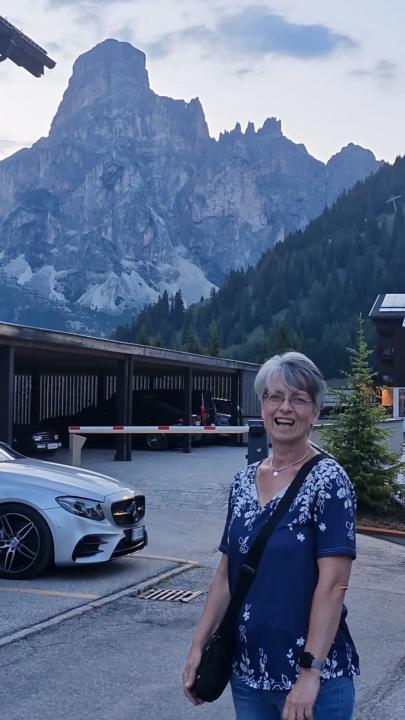
I think many are experiencing a heatwave at the moment and it’s no different here in Italy! We’re really enjoying our hiking holiday in the dolomites. Here's a few photos so far🙂
8d •
🎙️ I'm going LIVE tomorrow — Tuesday 5pm (BST) — and I'd love to see you there.
This is YOUR time — bring your questions, your struggles, your wins. Whatever's on your mind around energy, bloating, movement, nutrition — I'm here for it. The topic is fascia and lymphatic health (Episode 2 of my YouTube series drops this week!) but honestly, come with whatever's been bothering you. That's what this is for. If it's a quieter session I'll give you a sneak peek at what's coming in the episode — but I'd much rather be answering YOUR questions live. 🙋♀️ 📅 Tomorrow — Tuesday 30th June — 5pm📍 Right here in the community Can't make it live? Drop your question in the comments below and I'll answer it during the session. Replay posted here afterwards. See you tomorrow! 🌿Jackie x
1
0
11d •
clothes
Hello everyone, I hope none of you have melted! 🥵 Even without a heatwave, I get very hot, have any of you got sugestions for cotton or linen underwear, sports wear? 🤸
1-30 of 81
skool.com/thriveover50
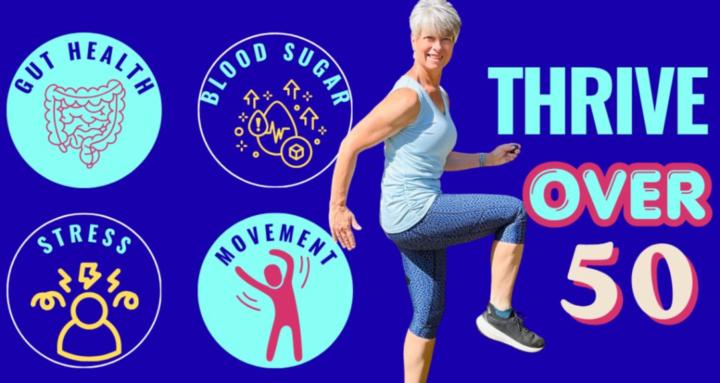
A free community for women over 50 who want to beat the bloat, shrink the menopause belly, and feel confident in their clothes again
Leaderboard (30-day)
1
+6
2

+6
3
+5
4
+4
5

+3
Powered by