
Write something
Pinned
Dec '25 •
Who is Stew Smith?
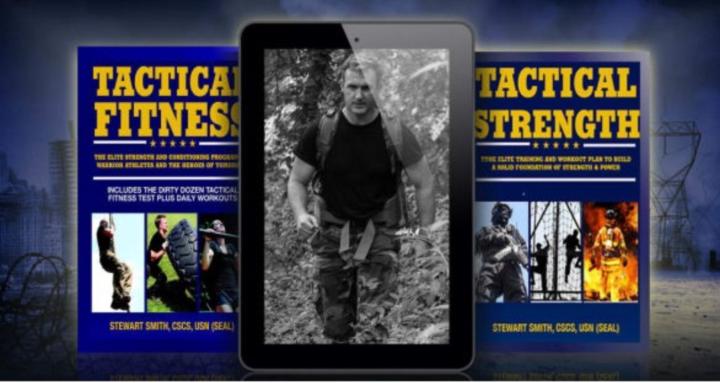
I'm the former Navy SEAL and tactical fitness/special ops swimming coach that special ops candidates (and other tactical professions) go to for books, ebooks and online coaching to prepare themselves to get to and through intense tactical assessment and selection programs and qualify for service in their chosen tactical profession. Quick Summary: Here is a list of what we do at StewSmithFitness.com (NEW - Consulting Call) - Need personal help adjusting workouts? Worried if you are on the right track? Let Stew help. You can always email Stew Smith if you have questions (Stew@stewsmith.com) 1. FREE Fitness (all topics) / Mindset Articles and Workouts - Latest info on training for any goal! (over 1000) 2. eBooks, Books and eBooks in PRINT (over 40 options) 3. Spec Ops Swim Critiques on social media - YouTube, TikTok, Instagram 4. Live QA / CSS Critiques Mon / Tues 9am (YouTube, TikTok, Instagram) 5. Podcasts (over 200) 6. Stew Smith Fitness APPs - Triad version, Pushup Push APP, Pullup Push APP, FBI workout APP 7. FREE Navy SEAL Exercises Apps - iPhone, Android 8. Membership Site - Get access to 100s of weeks of training programs and unpublished workouts we are currently doing each week. Constantly updated weekly with new articles, videos, and workouts of the week. 9. Tactical Fitness Course - 80 minutes to learn how to get through the spec ops selection programs. 10. Online Coaching - Get personalized programming designed for your goals, abilities, time per day, days per week, equipment/facilities...etc. 11. And NOW a SKOOL.com Tactical Fitness Community!
8d •
Latest Article/Video on Treading & Pool Skills (Spec Ops Level)
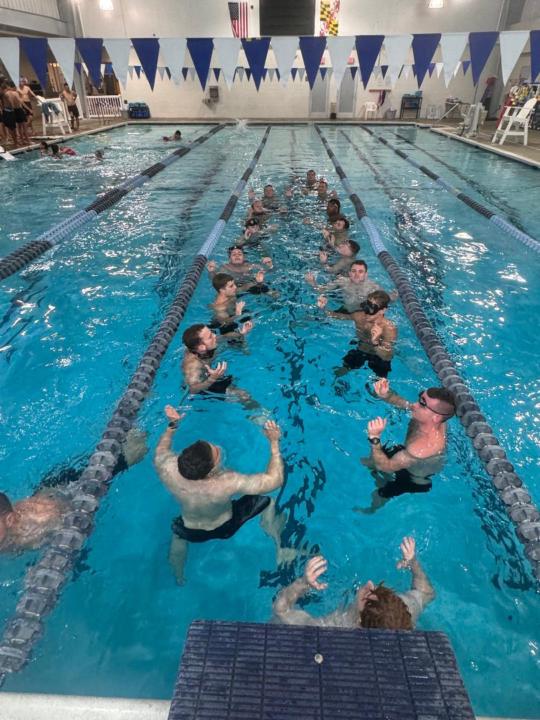
Mastering the Tread (and Other Pool Skills) Treading water with your head and hands out of the water is tough for athletic, lean, non-swimming athletes. especially if you're preparing for any military diving or special operations program. The ability to stay buoyant while treading is crucial not just for performance, but also for passing a wide variety of pool skills that will be tested, and treading is one that many ignore. Here’s how you can improve your technique and extend your treading duration effectively and never flirt with failure. https://www.stewsmithfitness.com/blogs/news/treading-and-pool-skills-tested-in-special-ops-diving-swimming-selections
4
0
14d •
Summer Training - What Is Your Weakness That You Are Ignoring?
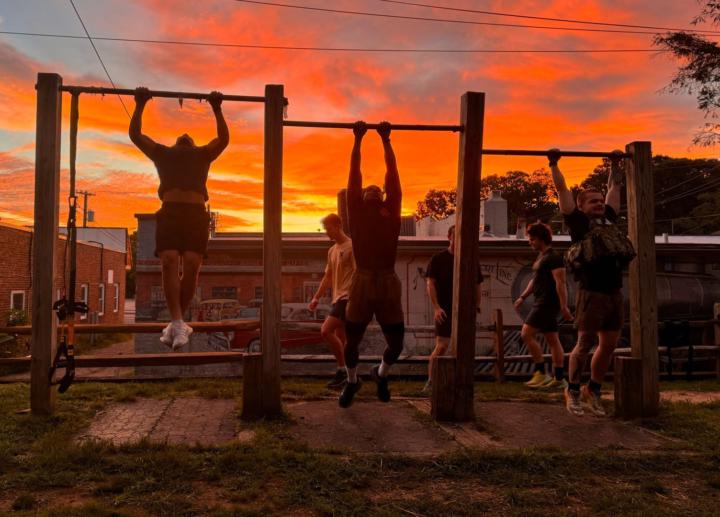
Take Your Training to New Levels. Summer is That Time. Some of my best workouts over the decades of training have come during the summer months when the normal grinding schedule slows down. From no school, longer day time hours, and fewer commitments (typically), you can work a little harder over the summer and not get the typical burnout that accompanies burning the candle at both ends (work, school, sports, workouts, family events etc). The summer presents a unique opportunity to elevate your performance as you prepare for military or special operations service. This is your chance to transform every weak link into a strength, to build a program that propels you towards the elite. Remember, it's not just about training hard, but about training smart. This is your time to shine. For me, over my SEAL prep years, summer offered more opportunities to improve swimming as all the pools were open for more hours. The early mornings also offered daylight by 5am to start the day with cals and cardio before the heat of the day. The evenings continue to be bright until 9 pm to help keep you awake and ready to top off the day with a final push of something you need to focus on (lifting, treading, pool skills, running/swimming distance, etc..) Read full article here: https://www.stewsmithfitness.com/blogs/news/summer-training-what-is-your-weakness-that-you-are-ignoring

Apr 30 •
I'm 13, training for SFOD/D and DEVGRU
1.5 mile run time: 9:06 Pullups: 10 Pushups: 40 Plank: 4:15 3 mile run time: 21:21 2-mile ruck time: 18 minutes with 30lb pack 5-mile ruck time: 1:06:48 with 30lb pack and rifle Squat: 200lbs Bench: 95lbs 40yd dash: 5.19 Height: 5'2" Weight: 98.5
21d •
Nobody Smiles During Hell Week:
The Importance of Smiling and Laughing During Stressful Times While there are moments to be serious and focused on getting things done, there will be times when laughter and smiling can help you mitigate the hormonal effects of high physical and mental stress. Here is a video intro I did the other day prior to a LIVE QA session about the topic, as Hellweek was getting underway: CLICK VIDEO BELOW Could a Smile Be the Simplest Biohack for Feeling Better? It sounds almost too easy to be true, but science suggests that even a deliberate smile can give your brain and body a small boost. What if one of the fastest ways to shift your mood was already built into your face? Smiling may seem trivial, even cheesy, in a world obsessed with supplements, cold plunges, and high-performance wellness rituals. But this simple human reflex may be one of the most underrated mind-body tools we have. Research suggests that smiling, even when it’s intentional rather than spontaneous, can gently nudge the brain toward a more positive emotional state. The effect isn’t massive, and it’s not a cure-all, but it may be real enough to count as a legitimate micro-biohack. It may be the difference between quitting or keep on going when tired, stressed, and in a difficult situation. The idea is rooted in something scientists call the facial feedback hypothesis: the notion that facial expressions don’t just reflect how we feel, they can also help shape it. In other words, the act of smiling may send signals back to the brain that subtly reinforce happiness, reduce stress, or help the body recover more quickly from tension. Add laughter to the mix, and the effect may extend beyond mood into stress regulation, social bonding, and overall resilience. That doesn’t mean you should grin your way through burnout or pretend serious emotional pain can be fixed with a cheesy smile. But if you’re looking for a low-effort, no-cost way to support your mental and physical state, smiling may deserve more respect than it gets.
4
0
1-30 of 82
powered by
skool.com/stew-smith-tactical-fitness-1847
Veteran - Stew Smith (former Navy SEAL) helps military, law enforcement, and firefighter candidates and recruits succeed with coaching and programs.
Suggested communities
Powered by