
Write something
Pinned

1d •
Weekly RMRS Member Shoutouts 👔
Gentlemen, here are a few standout posts from the RMRS community this week. 👏 Big shoutout to @Jonathon Shane Crawford for kicking off a fantastic discussion on "Dining etiquette" — a topic that sparked 150 replies from members sharing their takes on modern table manners, hosting guests, and restaurant conduct. A great reminder that style extends beyond the wardrobe. Post: https://www.skool.com/rmrs/dining-etiquette 👏 Shoutout to @Chad Smith for his detailed "OOTD - Thursday 2 July" breakdown featuring a 100% cotton Nova Polo and a newly purchased Safari Suit for his last day at the site office. The intentional outfit planning and honest commentary on what he wore (and why) is exactly the kind of OOTD post that inspires the whole community. Post: https://www.skool.com/rmrs/ootd-thursday-2-july 👏 Shoutout to @Christopher Hansford for his "Majorca - beaches and pina coladas" post — bringing the community along on his travels with personal style notes that blend lifestyle and fashion in a way that makes everyone want to pack a sharper suitcase. Post: https://www.skool.com/rmrs/majorca-beaches-and-pina-coladas 👏 Shoutout to @William Feldtmose for his "OOTD Monday June 29th" post — a solid start-of-week fit that drew strong engagement and set the tone for community outfit sharing. Post: https://www.skool.com/rmrs/ootd-monday-june-29th Keep those outfit posts, thoughtful discussions, and personal style stories coming, gentlemen!
Pinned

29d •
Why Join RMRS Premium?
I’ve stacked so much value into RMRS Premium that seriously it’s a no-brainer YES decision to join. https://www.skool.com/rmrs/plans The details? - Monthly Q&A "Inner Circle Mastermind" LIVE Calls with Antonio & Expert Guests - Access To 6 Micro-Courses Designed To Level Up Your Image - Access To The Monthly Challenge & Prize Eligible - A Man's Guide To Style Course & Dress Like A Man eBook - As a Patron the "activity" requirement doesn't apply to you. Thank you for your support! - The Style System ($1,000 Value) a proven step-by-step program to transform your image - Premium "White Glove" DM support to help you buy the RIGHT clothing at the BEST price - $1,000+ in Discount Codes at your favorite retailers (Save $$$ building your wardrobe!) - Invite To LIVE Event (Dallas, Oct 2026) Click here to join us - https://www.skool.com/rmrs/plans
55
0

🔥
18m •
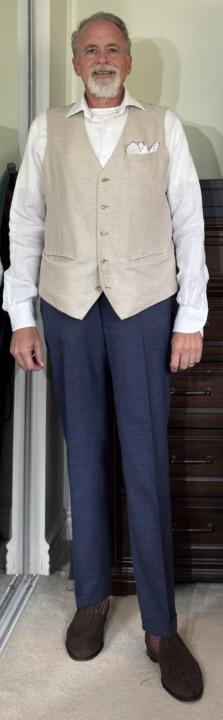
OOTA/E-CW 4 July 2026
Happy 250th! Let’s continue to celebrate without regard to political leaning and just all be proud Americans! Plenty of other days remain for us to get back to hate… The jacket part of the outfit is for tonight. The suit is a new linen/silk/wool blend for Suitsupply but tailored by my tailor. New Panama hat. And lots of red, white, and blue! Details tomorrow?
1
0

9d •
HERRINGBONE PATTERN IS TIMELESS
I do like the timeless herringbone pattern. I have the pattern on my timeless garments like overcoats, sports coats, shirts, trousers, ties… Now I got a new timeless item I haven’t had before. Last week Marianne bought to me, on our 50th wedding anniversary, a silver bracelet in herringbone pattern to mach my garments. I love the bracelet, designed and manufactured in Finland. I am blessed to have my beloved Marianne by my side all these years. 50th wedding anniversary Fine-dining OOTD (no pictures taken this time) beige wool Armani jacket cream cotton Sand trousers white cotton Bosweel & Sons shirt subtle pink silk Zegna tie silver-maroon silk pocket square beige wool socks oxblood leather Oxford shoes silver bracelet in herringbone pattern gold necklace Marianne OOTD full long silk dress with large strawberry pattern Marimekko Subtle pink-almost white very airy knit short cashmere sweater sparkling shoes gold necklace and gold bracelets


8h •
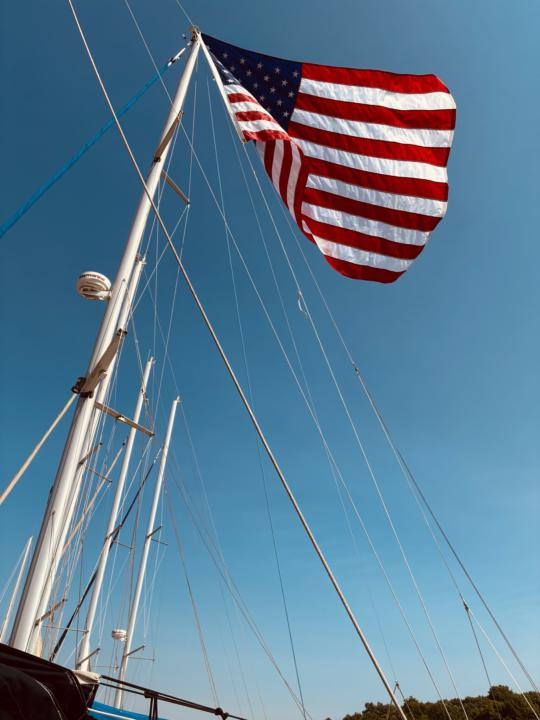
The National Ensign
Had some work to do on Celtic Cheer. The sewn connection popped on my last sail at the clew of my Genoa ( point of front sail tore loose) during a robust sail with my wife the other day. I have it loaded in the truck to get repaired next week at my sailmaker’s shop. Thought it was the perfect day to hoist my American flag. Typical boat outfit: White BoyScout performance fabric shirt khaki performance fabric shorts. Grey topsiders wide brimmed Boy Scout hat. Apple Watch (on a final quest to dial in body proportions. Did 1100 calories over BMR yesterday beginning with a lifting session and a 2,000 yard swim). Very blessed to have grown up in the south central part of the USA. I am very grateful and proud of those men and women in uniform that have given to us all the rights we enjoy, and am ever aware that we are always just one generation away from frittering it all away. God Bless America…….please.
1-30 of 30,607

skool.com/rmrs
Leverage style to earn more money and build unshakeable confidence. This is a community for professional men serious about self-improvement.
Leaderboard (30-day)
1

🔥
+4278
2
🔥
+2327
3

🔥
+2306
4
+2094
5
🔥
+2069
Powered by