
Write something
Pinned

⭐
🔥
2d •
Brown Butter Peach Cobbler Cinnamon Rolls.
Let me tell you what that means. Pillowy dough, rolled soft and slow. Inside, peaches roasted down till they’re sweet and jammy, folded through with warm cinnamon. Brown butter running under all of it, nutty and deep, the kind of smell that pulls the whole house into the kitchen before you even call anybody. A brown butter cinnamon crumble baked crisp and golden across the top. Then ribbons of buttercream frosting drizzled over the warm rolls, settling down into every fold. And fresh peaches, scattered right on top, bright and juicy against all that spice. Peach cobbler and a cinnamon roll, together. A piece of Carolina summer you pull apart with your hands. I’m a Southern boy. Down here, peach cobbler is a staple and a delicacy both at once, and taking something I grew up on and folding it into a cinnamon roll we all know by heart, well, that’s my prerogative. That’s what we’re baking this week inside Crust & Crumb Academy. If your mouth is watering right now, good. That’s the whole point. Pull up a chair. ~Henry⭐️🔥

Pinned
⭐
🔥
4d •
🍑 This Week’s Bake: Brown Butter Peach Cobbler Cinnamon Rolls 🇺🇸
Well, we survived Croissant Week. 🥐👏 All that lamination, all those butter layers, all that patience. You all showed up and did the hard thing, and I couldn’t be prouder of the folds that came through this kitchen. Now it’s time to let summer all the way in. ☀️🍑 This week we’re baking Brown Butter Peach Cobbler Cinnamon Rolls, and this one’s personal. I’m a South Carolina boy. Down here in the Deep South, peach cobbler isn’t just dessert. It’s a staple and a delicacy both at once. It’s the thing that shows up at the church supper, the Sunday table, and the family reunion, and everybody’s grandmother swears hers is the best. That cobbler is in my bones. 🧡 So I did what I always end up doing. I took something I grew up loving and turned it into something we all already know by heart, the cinnamon roll. Peach cobbler on the inside. Pillowy roll on the outside. Brown butter running through the whole thing. And a streusel top that’ll have your house smelling like a Carolina summer. 🔥🍑 And I’ll be honest, this one came out of my daughter Payton. She’s always challenging me, always poking at me to take it one step further. Don’t play it safe, Dad. So here we are. Cobbler in a cinnamon roll. That’s a Payton bake if I ever made one. ⭐ No fresh peaches where you are yet? Don’t worry. Frozen and canned work great, and I’ll walk you through every swap this week so nobody gets left out. Here’s the recipe so you can look it over before Saturday: https://pantry.bakinggreatbread.com/recipes/brown-butter-peach-cobbler-cinnamon-rolls The sourdough version: https://pantry.bakinggreatbread.com/recipes/sourdough-brown-butter-peach-cobbler-cinnamon-rolls?utm_source=skool&utm_medium=community&utm_campaign=recipe-share We bake together Saturday morning. 🇺🇸🍑

Pinned
⭐
🔥
2d •
These aren’t your average cinnamon rolls.
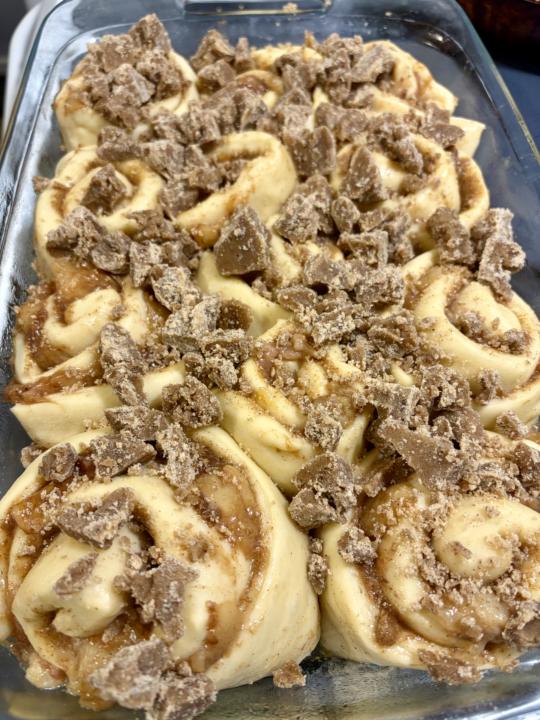
Today I want to walk you through these Brown Butter Peach Cobbler Cinnamon Rolls piece by piece, because I’ll be honest with you, this is not your average cinnamon roll. A regular cinnamon roll is butter, cinnamon, sugar, roll it up, done. These have a lot more going on. A roasted peach filling you cook down to a jam. A cinnamon smear. A frozen brown butter crumble. A low hydration dough. And a bake that takes some patience because of how juicy they are. More steps means more places to trip up, and more places to get it right. So today I’m breaking it into three parts and posting them through the day. Keep an eye out. Here’s what we’ll cover: 1. The Filling. What to use if you don’t have peaches, and how to cook it down to a proper jam so it doesn’t run. 2. The Build. The dough, the smear, the crumble, and how to roll all that up without a disaster. 3. The Bake and the Finish. How to arrange them in the pan, how to know they’re done, and how to dress them up at the end. Stay tuned. First one’s coming up. Perfection is not required. Progress is. Henry ⭐🔥
⭐
🔥
15h •
The Star and the Flame ⭐️🔥
You may have noticed the star ⭐️ and the flame 🔥 next to my name. They're more than decoration, so let me tell you what they mean, and why they belong to you as much as they belong to me. 🔥 The flame is about showing up. Skool lights it when you're with your community every single day, and the moment you miss a day, it goes out. Mine's still burning because you all keep me here. You post, you ask, you share your bakes, and I wouldn't miss a day of it. ⭐️ The star is the rare one. There are 191,000 communities on this platform, and the star goes to the owners in the top 1%. We're now in the top half of one percent. But here's the thing. I get to wear it, and it isn't really about me. A star like that doesn't get earned by one person. It gets earned by a room full of bakers who show up, help each other, and care about getting better. So when you see that star next to my name, don't read it as Henry is a star. Read it as you are. I just get to carry it. And I carry it proudly. I get to walk it out in front of every other community on this platform and brag about who we are. Eleven hundred bakers in a small, focused, generous corner of the internet, setting the example for what a Skool community can be. That's not me talking us up. That's the number talking. Top half of one percent, out of 191,000. You did that. I just get to wear the pin. 𝙎𝙤 𝙝𝙚𝙧𝙚'𝙨 𝙢𝙮 𝙤𝙣𝙚 𝙖𝙨𝙠. 𝙄𝙛 𝙮𝙤𝙪'𝙫𝙚 𝙜𝙧𝙤𝙬𝙣 𝙞𝙣 𝙝𝙚𝙧𝙚, 𝙖𝙣𝙙 𝙮𝙤𝙪 𝙩𝙝𝙞𝙣𝙠 𝙩𝙝𝙞𝙨 𝙞𝙨 𝙩𝙝𝙚 𝙠𝙞𝙣𝙙 𝙤𝙛 𝙥𝙡𝙖𝙘𝙚 𝙤𝙩𝙝𝙚𝙧 𝙗𝙖𝙠𝙚𝙧𝙨 𝙡𝙞𝙠𝙚 𝙮𝙤𝙪 𝙤𝙪𝙜𝙝𝙩 𝙩𝙤 𝙛𝙞𝙣𝙙, 𝙜𝙞𝙫𝙚 𝙪𝙨 𝙩𝙝𝙧𝙚𝙚 𝙢𝙞𝙣𝙪𝙩𝙚𝙨 𝙖𝙣𝙙 𝙡𝙚𝙖𝙫𝙚 𝙖 𝙧𝙚𝙫𝙞𝙚𝙬. 𝙄𝙩 𝙢𝙚𝙖𝙣𝙨 𝙩𝙝𝙚 𝙬𝙤𝙧𝙡𝙙 𝙩𝙤 𝙪𝙨, 𝙖𝙣𝙙 𝙞𝙩'𝙨 𝙝𝙤𝙣𝙚𝙨𝙩𝙡𝙮 𝙝𝙤𝙬 𝙬𝙚 𝙨𝙩𝙖𝙮 𝙫𝙞𝙨𝙞𝙗𝙡𝙚, 𝙨𝙤 𝙩𝙝𝙚 𝙣𝙚𝙭𝙩 𝙗𝙖𝙠𝙚𝙧 𝙡𝙤𝙤𝙠𝙞𝙣𝙜 𝙛𝙤𝙧 𝙖 𝙝𝙤𝙢𝙚 𝙡𝙞𝙠𝙚 𝙩𝙝𝙞𝙨 𝙖𝙘𝙩𝙪𝙖𝙡𝙡𝙮 𝙛𝙞𝙣𝙙𝙨 𝙞𝙩. 𝙇𝙚𝙖𝙫𝙚 𝙮𝙤𝙪𝙧 𝙧𝙚𝙫𝙞𝙚𝙬 𝙝𝙚𝙧𝙚: 𝙋𝙧𝙤𝙫𝙚𝙒𝙤𝙧𝙩𝙝 𝙧𝙚𝙫𝙞𝙚𝙬 𝙡𝙞𝙣𝙠 ⭐️⭐️⭐️⭐️⭐️ Thank you for being the kind of community worth showing up for. ~Henry ⭐️🔥

⭐
🔥
16h •
Saturday is two days away. Let's talk about what could go wrong.
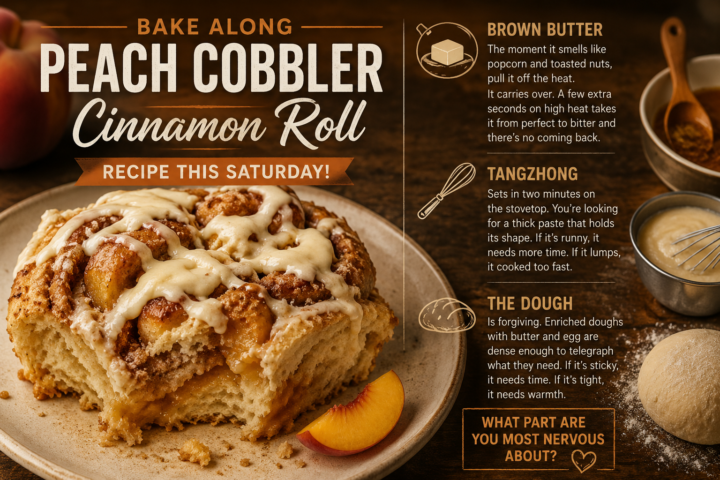
Not to stress you out. To do the opposite. Brown butter can get away from you fast if you're not watching the color. The moment it smells like popcorn and toasted nuts, pull it off the heat. It carries over. A few extra seconds on high heat takes it from perfect to bitter and there's no coming back. Tangzhong sets in two minutes on the stovetop. You're looking for a thick paste that holds its shape when you stir it. If it's runny, it needs more time. If it lumps, it cooked too fast. Low and slow. The dough itself is forgiving. Enriched doughs with butter and egg are dense enough to telegraph what they need. If it's sticky, it needs time. If it's tight, it needs warmth. You've already done harder things in this community. Saturday is just a bake. What part are you most nervous about?
1-30 of 2,233
powered by
skool.com/crust-crumb-academy-7621
#1 Sourdough Community on Skool 🍞
Coaching, not judgment. Sourdough, starter, yeasted, enriched & every bread between.
✅ ProveWorth Certified ⭐⭐⭐⭐⭐
Suggested communities
Powered by