Activity
Mon
Wed
Fri
Sun
Aug
Sep
Oct
Nov
Dec
Jan
Feb
Mar
Apr
May
Jun
What is this?
Less
More
Owned by Henry
#1 Sourdough Community on Skool 🍞 Coaching, not judgment. Sourdough, starter, yeasted, enriched & every bread between. ✅ ProveWorth Certified ⭐⭐⭐⭐⭐
🌾Turn your baking into real income. Learn to price right, sell legal, and sell out at farmers markets. For home bakers, no commercial kitchen needed.
Memberships
Panda for Skool CRM +
434 members • $36/month
The Flour & Heart Collective
12 members • Free
Greek Food and Language 🍅 Ώ
266 members • Free
EmpowerEd
22 members • $9/month
𝐀𝐈 𝐌𝐀𝐊𝐄 𝐌𝐎𝐍𝐄𝐘 💵💰
4.9k members • Free
Community Launch
14.6k members • Free
Old Me Living
294 members • $5/month
SKOOL OF FOOD WRITING
77 members • $10/month
Skool Launch Lab
395 members • Free
1728 contributions to Crust & Crumb Academy

⭐
🔥
4d •
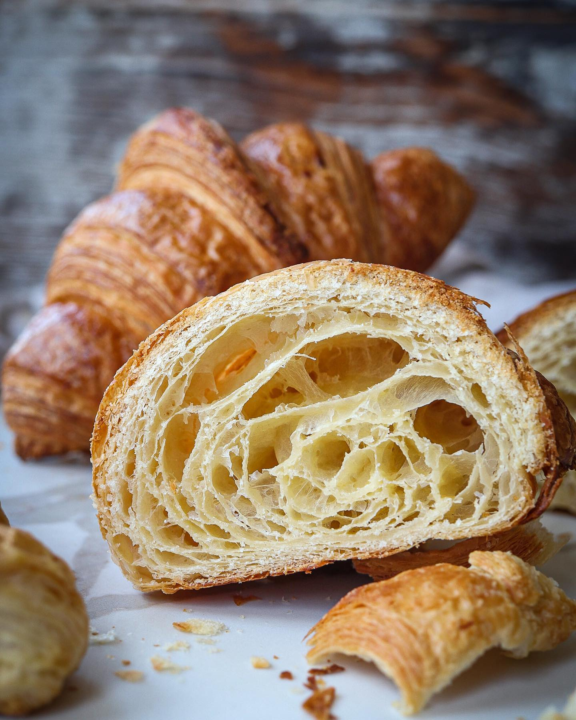
This Saturday's Bake-Along is CROISSANTS. 🥐
🥐✨ This Weekend We Laminate ✨🥐 Alright, you all asked for it... so we're doing it. Now before anybody panics, I want you to think about where you've already been. This isn't some giant leap. It's simply the next step on a staircase you've already been climbing. 🧈 Remember Brioche Week? That's where you learned to handle butter. Adding it one piece at a time. Watching for the break. Keeping it cool so it works with the dough instead of against it. That was your foundation. 🥮 Then came Babka. You learned that cold, firm butter holds its shape, while warm butter melts into the dough and ruins your layers. Classic Sourdough Croissant: https://pantry.bakinggreatbread.com/recipes/sourdough-croissants Yeasted Croissant: https://pantry.bakinggreatbread.com/recipes/classic-french-croissants Keep the butter cold. Keep the layers distinct. Sound familiar? That's lamination in plain clothes. 🦓 Then there was Zebra Bread. Stack. Fold. Roll. Repeat. Every fold multiplied the layers. Chill before you roll. Go easy on the flour. Roll it with confidence. You've already done those movements with your own hands. ✨ Croissants are simply all three of those skills coming together. 🥐 Butter control from brioche. 🥐 Cold butter creating layers from babka. 🥐 Fold-and-roll technique from zebra bread. You're not starting from scratch. You're putting together things you already know. ❤️ We're gonna go slow, one fold at a time, and I'll walk you through every single step. 🛒 Before Saturday, gather a few things: 🧈 Good butter. The higher the butterfat, the better. European-style if you can find it. 🌡️ A cool kitchen, if you've got one... and a little patience. ⚖️ Your digital scale, because we're weighing everything. Bring your questions. Bring your nerves. Bring your butter. By Saturday afternoon you'll be holding something flaky, buttery, and golden that you made with your own two hands.
⭐
🔥
0 likes • 50m
@Ann Snow very nice indeed
⭐
🔥
0 likes • 49m
@Cheryl Odden You’ve done this before
⭐
🔥
2h •
Happy Birthday America
This beautiful tribute was done by my friend Sophie. https://www.instagram.com/sourdough_sophie?igsh=ZHkxaWoyZjA1amQ3

⭐
🔥
3h •
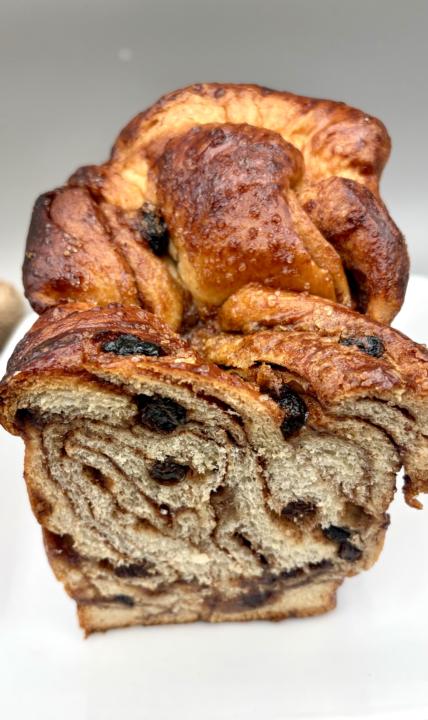
I had to show off this slice
Sliced into my cinnamon swirl again today for French toast. My goodness!
⭐
🔥
3 likes • 3h
@Donna Angelo https://pantry.bakinggreatbread.com/recipes/cinnamon-babka
⭐
🔥
3 likes • 3h
@Tina Shafer https://pantry.bakinggreatbread.com/recipes/cinnamon-babka

⭐
🔥
2 likes • 3h
Nice

🔥
3h •
20% off King Arthur on demand classes
For anyone looking to take any of the King Arthur on demand class they are currently offering them at 20% off. They are normally $40, now $32.
⭐
🔥
4 likes • 3h
Who needs King Arthur when you got me Sir Gallahad?
1-10 of 1,728
⭐
🔥
@henry-hunter-5222
Founder, Baking Great Bread at Home (50K+ members). Cookbook author. Creator of Crust & Crumb Academy.
Online now
Joined Jan 2, 2026