
Pinned

2d •
Hermes Extreme Sale up to 54%OFF
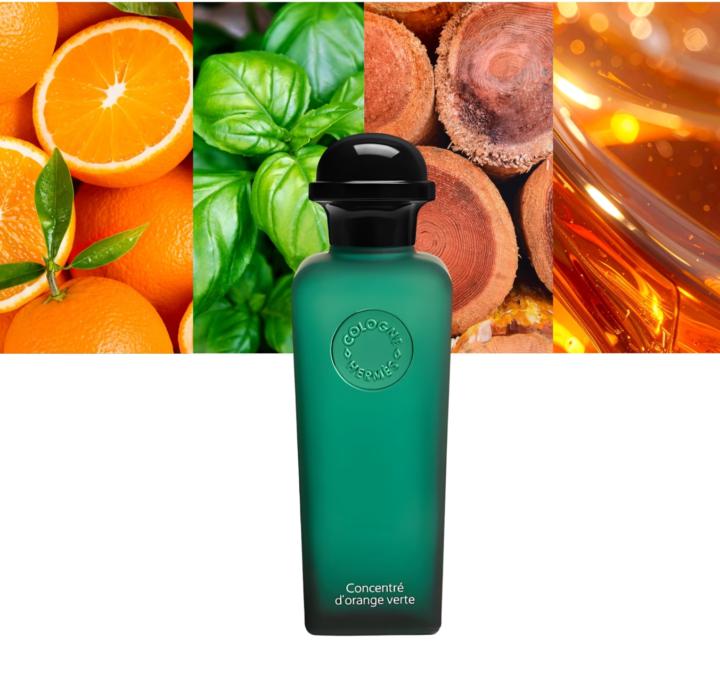
🪵 Terre d’Hermès Parfum 47%OFF https://get.aspr.app/SH1VmK a richer take on the classic, blending orange, woods, and earthy depth with a refined masculine feel 🍊 Eau d’Orange Verte 51%OFF https://get.aspr.app/SH1f50 a fresh burst of green orange and citrus with a crisp, clean character that feels timeless and elegant 🍋 Eau de Citron Noir 54%OFF https://get.aspr.app/SH1f51 a modern citrus scent with smoky lemon, subtle tea-like nuance, and a fresh yet slightly dark edge
Pinned

⭐
3d •
Exclusive First Look: Diary of A Nose Live Demo! 📹
Get ready, gents! We have a very special treat for our next LIVE call. One of our own, @Aditya Choksi—a dedicated business owner and total fragrance enthusiast—has been busy brewing something digital. He’s developed a brand-new app called "Diary of A Nose", and he’s giving us the exclusive first look! Whether you're a hardcore "fraghead" or just curious about how tech is changing the sensory world, you won't want to miss this live demo! 📅 The Details - Event: The Future of Fragrance Apps: Diary of A Nose Live Demo - Special Guest: Founder of Diary of A Nose & Community Member, @Aditya Choksi - When: Thursday, March 19th - Time: 5:00 PM – 6:00 PM Central US - Meeting Link: Click here to join the call Let’s show up in full force to support @Aditya Choksi and see what he’s been building. It’s going to be a fun, laid-back hour of discovery and community vibes. See you there! 🚀✨

Pinned
⭐
6d •
The Power of a Signature Scent
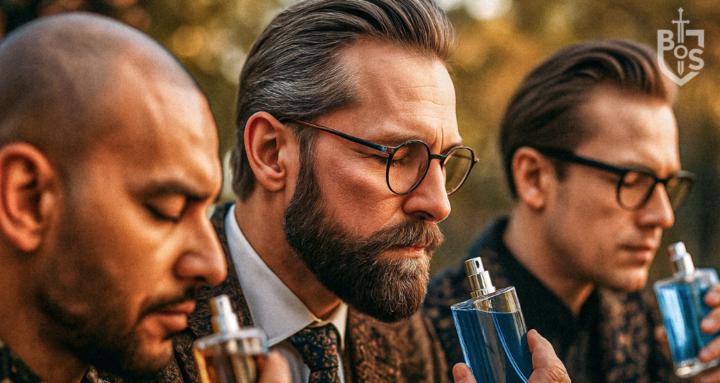
📌 If you want to master fragrance, read this. A great scent does something powerful. People remember you. Not your shirt. Not your watch. Your scent. But most men never build a real fragrance wardrobe. They guess. Inside BOS Premium, you get the complete fragrance playbook most men never have. ✔ A signature scent wardrobe built with purpose ✔ Clear understanding of what makes a fragrance work ✔ Confidence choosing the right scent for the right moment ✔ Fewer wasted purchases and smarter fragrance decisions ✔ Direct access to expert insight from perfumers and creators When you master scent, something interesting happens. You start getting compliments. You start getting noticed. Upgrade here: https://www.skool.com/bos/plans Most men wear fragrance. Few men master it.


23h •
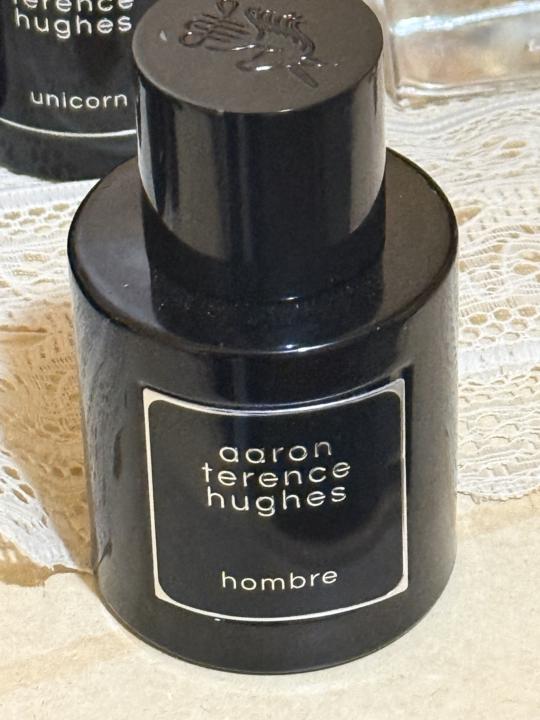
Hombre by ATH
Quick post today of a fave of mine for this ATH marathon. I think I’m at 6 or 7 in this madness. 😂 I wont bore you with details but absolutely love this one.
1-30 of 41,182
skool.com/bos
#1 Fragrance Community 🏆
Our mission is to help YOU leverage the power of scent to become the man you know yourself to be.
Leaderboard (30-day)
1

🔥
+6610
2

🔥
+6212
3

🔥
+6161
4

🔥
+6103
5

🔥
+4894
Powered by