Activity
Mon
Wed
Fri
Sun
Aug
Sep
Oct
Nov
Dec
Jan
Feb
Mar
Apr
May
Jun
Jul
What is this?
Less
More
Owned by Naomi
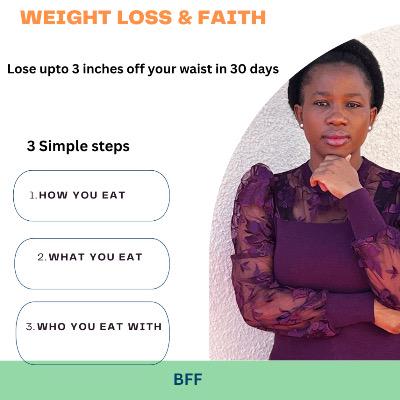
Lose 3 inches off your waistline in 30 days without strict diets or crazy work outs.
Memberships
Transform Beyond Fear
2 members • Free
DIGITAL SUCCESS HUB
258 members • Free
Simcha Healthcare
96 members • Free
LDL: Plant-Based Edition
36 members • $9/month
the skool CLASSIFIEDS
2k members • Free
TEMPLE - Gym and Wellness
14 members • Free
Expanding Capacity
172 members • $39/month
Email Marketing Skool
1.2k members • Free
Arisa Wellness (Free)
99 members • Free
7 contributions to Inspired Life, Empowered Being

Jan 11 •
🚩When You Fall Down, Raise Back Up with A Full Heart
The video below was inspiring this morning! ---- In "The Rhythm of Life" the author numerates 10 principles towards success... I will share these in another post, but I wanted to share some examples of indviduals that are considered great but have had signifcant failures... Individuals that embodied some/all of the principles that he describes. Abraham Lincoln’s Failures and Setbacks (as descrirbed in book) 1. 1831-Business Failure in New Salem-his general store business failed and he's left in debt 2. 1832 -Lost Election for Illinois General Assembly: first political campain-left defeated 3. 1832 -Military Service Disappointment:Served in Black Hawk War and didn't receive recognition 4. 1833 -Second Business Failure in Salem 5. 1835- Death of Fiancée Ann Rutledge (some debate about their relationship, but this impacted him significantly) 6. 1836- Mental Breakdown / Severe Depression 7. 1843 -Lost Appointment for Commissioner of the General Land Office:applied forr federal position but was rejected 8. 1846-Political Setbacks-his votes in House of Representatives caused friction contributing to limiting future political support 9. 1854 -Lost Congressional Race- 10. 1858-Lost U.S. Senate Race to Stephen Douglas:he gained recognition through debates, but still lost 11. Ongoing Personal Struggles-Depression and Self-Doubt:Continued emotional hardship, low moods, and self-doubt throughout much of his adult life. Michael Jordan’s Failures (as described in the book) were also noted: 1. Cut from High School Varsity Team 2. Overr 9000 of Missed Shots 3. Almost 300 Lost Games 4. 26 Missed Game-Winning Shots 5. Struggled in Early NBA Playoffs 6. Baseball Experiment / Retirement in 1993--he switched to baseball after his father's murder 7. Return to NBA & Adjusting Back ---- Both of these individuals could have used failure as reasons to stop pursuing and give up...But..They didn't. They persevererd in spite of failures. They had a vision and continued. Instead of letting failure define them, they used setbacks as lessons in growth, discipline, reflection and alignment with purpose.
Poll
14 members have voted

🔥
1 like • Jan 11
@Georgiana D I find myself growing. And getting mire objective and loving correcting myself.
🔥
1 like • Jan 12
@Georgiana D yes it is for sure.
Jan 4 •
🎉 100 Members Strong! 🎉
This past week we stealthily crossed the 100 member milestone and I'm so so excited for it! A couple of you reached out about it (thank you!!) and @Chris Wendt 's post here100-members means so so much to me... This milestone belongs to all of you! It truly does! Thank you for showing up, contributing your voices, sharing your experiences, and helping create this space into what it is today. I never anticipated how this little corner of skool was going to take shape and I am so so truly thankful for it and for you all. A gift that I never knew was needed and didn't see coming. My heart is overflowing with joy. The connections formed and nurtured, the conversations sparked, and the growth truly wouldn’t exist without your willingness to engage and support one another and me. This community is possible because of you-your presence, insight, and energy matter more than you know. Thank you for making it the special space that it is. Here’s to what we’ve built together so far, and to everything still ahead!!!!💛 Excited!!!!!

🔥
5 likes • Jan 4
Congratulations.
Dec '25 •
💡Low Effort, High Return: Improve Your Life Without Trying That Hard
Been thinking about how to optimize my time more and how to get more sneaky with some habits and then I remembered habit stacking. I'm not sure if this is self induced gaslighting, but I'm here for it. You may be familiar with it and even if you're not, you may already be doing it! ✨Habit stacking is the idea of attaching a new habit to something you already do consistently. Instead of relying on raw motivation (which is an elusive sneaky lil fella), you use existing routines as anchors. Your brain already knows the old habit, so the new one gets a free ride. I mean...who doesn't like a free ride? Habit stacking works on a simple formula:After I do current habit, I will do new habit.Because the first habit is automatic, the second one feels easier and less dramatic. How do you actually do it? 1. Pick a habit you already do every day without thinking. Brushing your teeth, making coffee, opening your laptop, getting into bed. 2. Add a tiny habit that takes less than two minutes at first. Keep it SUPER small! 3. Be very specific. Vague habits die fast. 4. Keep the order the same every time so your brain starts linking them. We're getting ourselves conditioned! Yay. Examples of habit stacking in real life: *After I brush my teeth, I floss one tooth. Yes, one. Momentum usually does the rest. *as soon as I get out of bed, I'll do one pushup--more will follow. • After I pour my morning coffee, I write one sentence in my journal • After I get into bed, I name one thing that went well today Your brain loves patterns and hates extra decisions. Habit stacking reduces friction and decision fatigue. Instead of asking “Should I do this?” or "what should I do?" You are saying “This comes next” Decision made. Common mistakes to avoid: • Stacking too much at once. One habit is enough (guilty of this!) .• Making the new habit too big. If it feels heavy, it will not stick (guilty of this too..biting more than I can chew) • Picking an anchor habit that is inconsistent. If the first habit is shaky, the stack collapses.
Poll
11 members have voted
🔥
1 like • Dec '25
@Georgiana D I will pray as I work out. Driving to work I will record a video
🔥
1 like • Dec '25
@Georgiana D I will Let you know
Nov '25 •
Savior Tendencies-Codependent No More
Codependency is a topic that comes up a lot and I was so surprised that I hadn't made a post about it yet. Codependency is a relationship pattern where one person becomes overly responsible for another person's emotions, needs, or decisions. It can feel like deep caring, loyalty, or devotion, but below the surface it often creates imbalance and emotional strain. Often it's a relationship dynamic where one person becomes the "giver" sacrificing their own needs/wellbeing for the sake of the other "the taker". 🚩Common Signs of Codependency -Feeling responsible for other people's feelings -Difficulty saying no even when you want to; doing things you don't want to to make the other person happy -Anxiety when someone is upset with you -Seeking validation through being helpful or indispensable; excessive need to get approval -Prioritizing others consistently at the expense of yourself; ignoring/minimizing your own feelings; tendency to neglect your own desires and needs -Feeling guilty when taking time for your needs -Staying in relationships that leave you depleted -A tendency to apologize or take the blame to keep the peace and avoid conflict -Changing your mood to reflect how others feel or behave -Excessive concern about that person’s habits or behaviors -Experiencing guilt or anxiety when doing something for yourself -A sense of self-worth and self-esteem that depends on what others think of you -Taking on more work than you can handle to lighten someone else’s load These patterns often begin subtly. Many people do not recognize codependency until they feel resentment, chronic stress, or a loss of personal identity. 🗺Where Codependency Comes From Codependency is frequently rooted in early experiences where emotional stability depended on your behavior. Common origins include: • Growing up with a parent whose moods you had to manage • Environments where your needs were minimized or ignored • Learning that belonging required self sacrifice • Being praised for caretaking more than authenticity
🔥
4 likes • Nov '25
Great reminder. Healing from the disease of people Pleasing.

🔥
Nov '25 •
Why “All or Nothing” Isn’t Worth It
I used to believe being efficient meant juggling everything at once — business calls, laundry, messages, meals. But all that juggling left me exhausted and distracted. Now I know that multitasking isn’t mastery — it’s avoidance in disguise. When you slow down and give one thing your full attention, you not only do it better… you feel better doing it. It’s not about doing less. It’s about being present for what’s in front of you. What’s one thing you can do more intentionally today — even if it takes longer? Busy isn’t a badge — it’s a blindfold. 👉 What helps you come back to focus when life feels scattered?

🔥
3 likes • Nov '25
@Christa Lovas yes
🔥
3 likes • Nov '25
@Georgiana D true.
1-7 of 7
🔥
@naomi-adek-1644
I help Christian women lose 3 inches off their belly in 30 days!
Active 14m ago
Joined Nov 7, 2025