
Write something

14h •
Self-Love: Empowerment or Self-Absorption?
Self-care, self-love, self-reflection....self, self, self. These all seem to be great things, but is there a dark side to this? Have we become so obsessed with ourselves that we're actually doing more harm than good? The opposite, self-abandonment and self-neglect, are not great either. Is there a line that we can walk better? Can we have a better relationship with our selves? 𝐏𝐇𝐈𝐋𝐀𝐔𝐓𝐈𝐀 Philautia (φιλαυτία) comes from Ancient Greek: philos = love, affection autos = self - Meaning: self-love or love of oneself. In some contexts this was seen as a virtue while in others it's seen as a vice. So, I suppose context and further definition matters. 𝐄𝐌𝐏𝐎𝐖𝐄𝐑𝐌𝐄𝐍𝐓 Healthy self-regard is beneficial for wellbeing....I'd argue that humility is being able to be grounded in truth. It's not about downing oneself, but rather about being abile to see something for what it is--we'd be able to see our strong points and also our weak points. But with our ability to see our weaknessess and mistakes, we would also need to pair that up with self-compassion This leads to more resilience, more accountability, and increased ability to learn from our mistakes. In this sense, self-love isn't arrogance but it's rather the foundation of growth. 𝐒𝐄𝐋𝐅 𝐀𝐁𝐒𝐎𝐑𝐏𝐓𝐈𝐎𝐍 Many philosophical and religious traditions offer a caution though-- when the self becomes the primary object of our attention, something begins to distort. Psychology also echose this in some way--we know that excessive self-focus is linked to heightened sensitivity to perceived threats/criticism, rumination, anxiety and depression. If the mind becomes trapped into the loop of "how do I feel", "What does this mean about me?", and "how am I being perceived" and this has detrimental effects---the more we obsess about ourselves, the less fulfilled we become. Our relationship with others AND our relationship wtih ourselves suffers. It becomes pigeon holed and doesn't take our whole being into account. If you've gotten to this point, here's what I read that inspired this whole post:
Poll
2 members have voted
15d •
Lone soccer ball: Impermanence and Relationships
I went to catch myself a sunrise yesterday morning. On my way to 'the spot', I noticed a soccer ball sitting alone in the field--there were no people in sight (likely because it was 5:30a.m., ha!). But looking at this ball got me thinking about how we lose things or how we can be 'left behind'. Made me think about how sometimes we fumble things or we are fumbled and through negligence, distraction or to being caught in the crossfire of someone else's stuff (or them being caught in the crossfire of our own stuff) we end up losing things. Sometimes we can recover them but sometimes not. And...Sometimes those things are more important than soccer balls. Funny enough, on my way back from this walk, there were four men that were gently kicking the ball around as they were walking... Perhaps they will also leave the ball behind for different reasons, but it was also a reminder of how being fumbled doesn't have to be the end of the story. --------- Most of us don't lose important relationships because we wake up one day and decide they don't matter. More often, they fade through distraction, neglect, competing priorities, stress, assumptions, or simply the busyness of life. Sometimes it's related to wounds that they/we haven't tended to and we/they end up as collateral damage in something that doesn't even have to do with us/them. We become consumed with our own struggles or focused on someone else's, and before we realize it, something valuable has been left behind. 𝐑𝐞𝐥𝐚𝐭𝐢𝐨𝐧𝐬𝐡𝐢𝐩𝐬 𝐚𝐬 𝐥𝐢𝐯𝐢𝐧𝐠 𝐬𝐲𝐬𝐭𝐞𝐦𝐬. Like muscles, they strengthen through (healthy) use and weaken through disuse or misuse. There are things that keep relationships alive: healthy attention, responsiveness, shared experiences, shared values and visions, shared rhythm of life... Without those, emotional distance can emerge. It's not necessarily through malice (usually it's not), but through impermanence. 𝐈𝐦𝐩𝐞𝐫𝐦𝐚𝐧𝐞𝐧𝐜𝐞 𝐢𝐬 𝐚 𝐟𝐮𝐧𝐝𝐚𝐦𝐞𝐧𝐭𝐚𝐥 𝐫𝐞𝐚𝐥𝐢𝐭𝐲 𝐨𝐟 𝐥𝐢𝐟𝐞.People change (or, more likely, their focus is more likely to change). Circumstances change. Roles change. What felt effortless at one stage of life may require intention at another (think kids-when a couple could just effortlessly spend time together, now they have to be very intentional about that time).
Poll
10 members have voted

May 25 •
If we confuse attention for connection, we will stay emotionally hungry
One of the traps of a modern technology filled life is mistaking attention for connection. Attention can be fairly easy to get but connection requires building and nurturing. Attention can look like texts, likes, compliments, flirtation, or constant validation. It creates the feeling of being noticed and feeling seen (but not necessarily ACTUALLY being seen). This can temporarily ease a sense of loneliness. Connection is different because at its foundation it provides emotional safety, consistency and vulnerability is met with care. If we look at attachment theory, it explains that humans are wired for secure emotional bonds, not just visibility or stimulation and research shows our nervous systems respond more to safety and emotional attunement than to the amount of attention we receive. (this makes sense as to why someone can have endless messages/followers/admirers and still feel a sense of loneliness) ***Attention activates the brain’s reward system. ***Connection helps regulate the nervous system. Research consistently backs the impact that intermittent reinforcement can have on a person--when attention or affection comes unpredictably, people often start chasing the emotional highs instead of genuine intimacy. It can become addicting and part of this is because there are no signals of consistent safety so we chase to soothe the discomfort. We become addicted to pursuing emotional intensity rather than emotional intimacy. This will never satisfy the hunger though, because attention cannot provide what healthy attachment can provide. We can see this in real time--people can be constantly connected online and yet emotionally disconnected in real life and it doesn't help that we kind of live in a culture that rewards visibility as opposed to vulnerability. Even vulnerability has become a visibility status so people can use the 'right words' but not actually connect because the other pieces necessary for connection are not there. ***Being noticed is not the same as being understood and being desired is not the same as being valued.***
Poll
14 members have voted

🔥
Apr 2 •
Vulnerability as a True Strength: Why We Often Risk the Most in Proximity
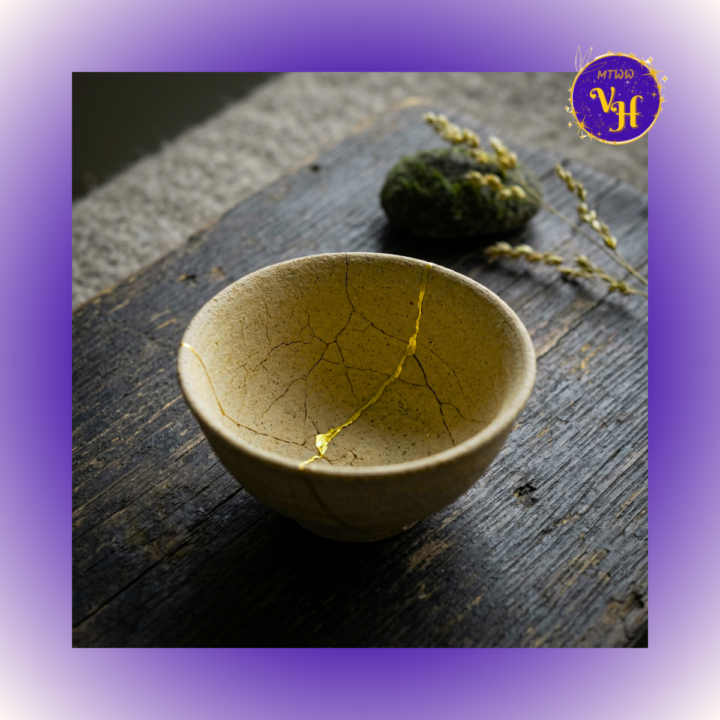
Most people flee when relationships become complicated, or they put on emotional armor just to avoid being hurt. However, true leadership and genuine connection emerge precisely where we stop maintaining an untouchable facade and instead find the courage to show ourselves in our entire vulnerability. In a world that relies on optimization and smooth processes, we need radical interruptions of our habitual patterns. We long for sustaining connections and real trust, yet we often find that we maintain distance out of fear of disappointment or loss of control, which ultimately isolates us and denies us access to our inner substance. Today, on World Autism Awareness Day, this call for vulnerability takes on a specific meaning. For many neurodivergent individuals, the "emotional armor" is often a survival strategy known as masking, an attempt to fit into a world designed for smooth, standardized interactions. True inclusion begins when we stop demanding this invisible adaptation and instead create spaces where different ways of being and perceiving are accepted as part of our shared human reality. True service to others breaks every power structure by being willing to make oneself small. This gesture is more than a romantic image, it is the call to engage with touchability, even when trust becomes fragile and people disappoint us. We often look at those who fail us full of judgment, but what if they were not personified evil, but rather people with actually good intentions who simply lost their way in their fears, longings, and massive overwhelm? While some break under the weight of a betrayal because their hope for a different outcome was disappointed, others act out of the naked fear of being swept along. This shows that failure often arises from too much unclarified feeling and confusion, instead of malice or harmful intent. It is about not pushing away the dirt and the fractures of life, but rather accepting them as part of a genuine, unvarnished truth that first opens the space for real trust.
Apr 5 •
Attachment Styles 🧠
Thought I'd do a few posts about attachment styles because I do think that these play an important part in the health of relationships and I think that it's helpful to recognize where we are/the things that contribute to our interactions with others. :) 𝐎𝐯𝐞𝐫𝐯𝐢𝐞𝐰 Attachment theory suggests that early caregiving experiences shape our internal working models and these serve to answer two core questions: 1)Am I worthy of love and care? 2)Are other people reliable and safe? Those answers guide our emotional regulation patterns, fight/flight response, and relationship behaviors. I actually think that attachment styels, while foundationally built when young, can also be impacted later in life with different types of experiences....Someone can be securely attached but if they encounter an unsafe relationship (or a relationship where signals are mixed, where one doesn't really know where they stand with the other person )it can potentially create an environment where someone secure can all of a sudden appear more anxious/insecure because that's the appropriate response to the situation. If they stay in a situation like this long enough, it can contribute to longer term effects that will then potentially lead to a more insecure attachment. (thinking about the impact that trauma has on this as well). 𝐁𝐫𝐞𝐚𝐤𝐝𝐨𝐰𝐧 𝐨𝐟 𝐄𝐚𝐜𝐡 𝐓𝐲𝐩𝐞 (I maaaaay do a more in depth one for each of these in the future, but here's a brief overview). 1. 𝗦𝗲𝗰𝘂𝗿𝗲 𝗔𝘁𝘁𝗮𝗰𝗵𝗺𝗲𝗻𝘁 Core belief: I am worthy. Others are dependable. Yay! Nervous system: More regulated baseline; able to tolerate distress without catastrophizing; more CURIOUS. :) Curiosity is our friend, people. :) Conflict style: Direct communication, repair-oriented., honest/transparent; ability to take risks; Psychological strength: High emotional resilience and integration of autonomy and intimacy. 2. 𝗔𝗻𝘅𝗶𝗼𝘂𝘀 (𝗣𝗿𝗲𝗼𝗰𝗰𝘂𝗽𝗶𝗲𝗱) 𝗔𝘁𝘁𝗮𝗰𝗵𝗺𝗲𝗻𝘁 Core belief: I might not be enough. I could be abandoned/rejected. Nervous system: Hyperactivated threat response (heightened sensitivity to rejection cues).
Poll
11 members have voted
1-30 of 32
powered by

skool.com/inspired-life-empowered-being-7894
⭐Inspire.Empower.Live. Supportive skool where we are encouraged to increase our awareness, take action, and thrive through life's adventures.💪💕
Suggested communities
Powered by