Activity
Mon
Wed
Fri
Sun
Jul
Aug
Sep
Oct
Nov
Dec
Jan
Feb
Mar
Apr
May
What is this?
Less
More
Memberships
Invest & Retire Community
3.6k members • Free
852 contributions to Invest & Retire Community


4 likes • 7d
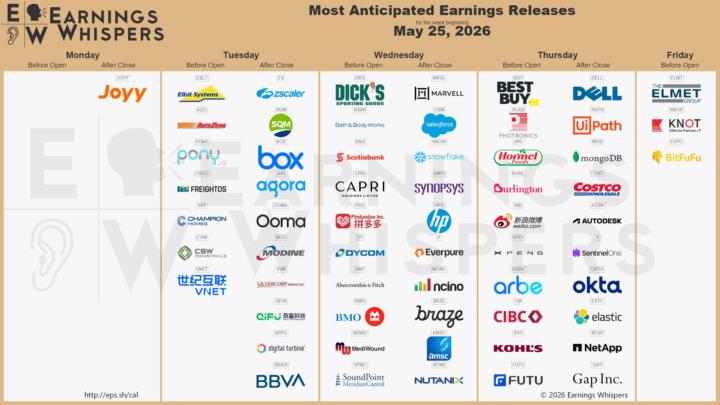
Thanks @Rong Zhou for sharing. Watching SNOW, CRM, COST

3 likes • 24d
@Rose B True, but Kevin setup is bullish based on good earnings, thus P/L is so high.
3 likes • 9d
@Kevin Esmati could you share how to managed this trade?

13d •
Inflation 3.8% - What does it mean?
Last week, inflation reported was 3.8% (which is much higher than previous months around 3% But what does this means? Generally, lower interest rate leads to more money flowing into the market leads to the market going up An increase in inflation would lead to an increase in interest rate instead as a mechanism to control inflation. This leads to higher borrowing cost and slow down the economy. This means the growth of the economy will go down We were previously expecting interest rate cuts. But as inflation goes up, it is more likely we will get an interest rate hike instead. This is why the market is going down this week. Cheers, Eric -- Eric Seto Chartered Professional Accountant (CPA) Chartered Investment Manager (CIM) Founder of 5MinInvesting.com In May, I’m helping 5 people to become better at investing through Investing Accelerator. During the free strategy call, you can discuss which area of analysis you need the most help with (finding discounted stocks vs generating income). You can discuss your knowledge on options (and whether or not you are looking to learn a specific option strategy e.g. covered calls, cash secured puts, spreads) We can identify if you would benefit from the techniques covered in the program from technical, fundamentals to buying / selling options We can also discuss the tax advantages / disadvantages of using different retirement / investing accounts for each strategy. If you are interested, you can schedule a free strategy call here to see if you are a good fit. Schedule a free call Disclaimer: This communication is provided for educational and informational purposes only and does not constitute investment advice, a recommendation, or an offer to invest in any fund or strategy. No advisory relationship is formed by receipt of this content. Any references to strategies or markets are general in nature and do not reflect the performance of any client account or investment product.
2 likes • 10d
@Kevin Esmati 10 year bond is already high.

19d •
Copper
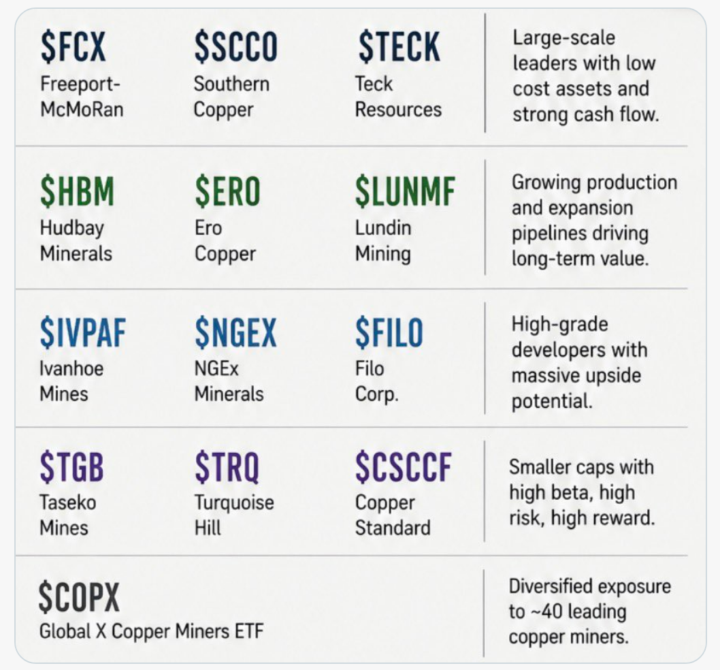
- Everyone talks about AI chips - Copper quietly becoming one of the most important AI trades makes a lot of sense - Data centers, power demand, grids, cooling... all roads eventually lead back to commodities - Copper Giants: - $FCX - $SCCO - $TECK - Copper Growth: - $HBM - $ERO - $LUNMF - Next-Gen Copper: $IVPAF $NGEX $FILO - High Beta Copper: - $TGB - $TRQ $CSCCF - Copper ETF: - $COPX - My top pick is HBM (balance of growth + real assets)
4 likes • 11d
In long run copper will be moving up due to increased demand in power as a result of data centres, hydrogen factories, electrification of transit buses, new developments etc....
12d •
The War Is Accelerating the US Debt Spiral—and Creating an Inflation Crisis
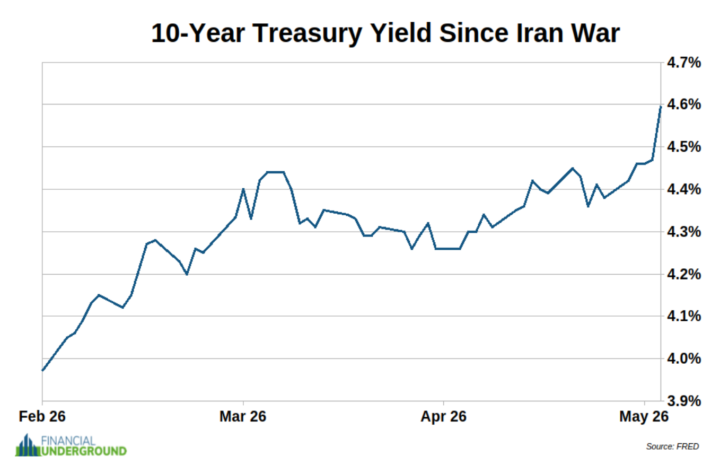
Doug Casey's International Man - The 10-year Treasury yield can be thought of as a key barometer of the US dollar-based system - Bond yields move inversely to bond prices. When bond prices fall, bond yields rise - A rising 10-year Treasury yield signals trouble for the US dollar because it means investors are selling Treasuries, which pushes up the US government’s borrowing costs - The 10-year Treasury yield was 3.97% when the war started. Now it is around 4.60%, an increase of roughly 63 basis points. - At today’s debt levels, every 1 basis point increase in the government’s average borrowing cost adds roughly $3.9 billion in annual interest expense. So a 63 bps translates to nearly $250 billion in additional yearly interest costs - Higher yields mean the US government must pay tens or even hundreds of billions more in interest on its debt - At the same time, the global economy faces even greater added costs because Treasury rates serve as the benchmark for borrowing worldwide - Further, if Hormuz remains closed, drastically higher oil prices are all but certain - Higher energy prices mean higher prices across the economy and higher official inflation rates, which means investors will demand still higher yields to compensate - The problem is that interest on the federal debt is already over $1.2 trillion and is now the second-largest item in the budget - War spending is financed largely through debt, which is then, in large part, bought by the central bank with currency it creates out of thin air. - A more accurate equation is: War = Debt = Inflation
2 likes • 11d
Many smaller economies are already feeling the pain. Today UK eased some restrictions on Russian oil processed in other countries. Market is feeling the pain but not showing it.
1-10 of 852

@sukhwinder-dhanoa-4450
I am an engineer, who loves to try new hand on stuff. I live spending time with nature.
Active 6h ago
Joined Jan 3, 2023
Powered by