Activity
Mon
Wed
Fri
Sun
Aug
Sep
Oct
Nov
Dec
Jan
Feb
Mar
Apr
May
Jun
Jul
What is this?
Less
More
Memberships
Invest & Retire Community
3.6k members • Free
888 contributions to Invest & Retire Community


2 likes • 3d
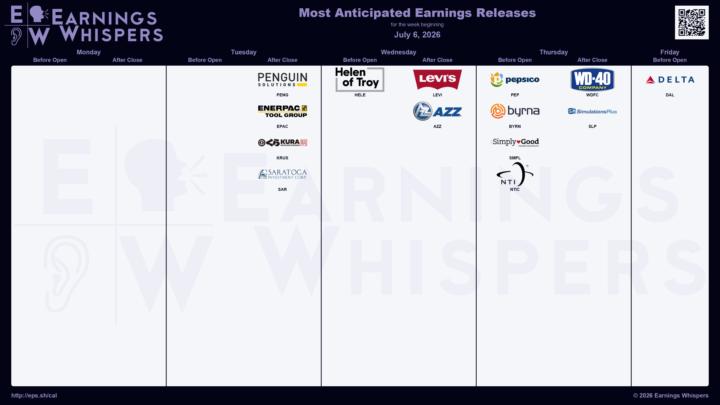
Quite earning week turns volatile. Thanks @Rong Zhou for sharing.

11d •
Congrats to the Top 10 Contributors for June 2026 and announcing July 2026 Prize
In Investing Accelerator, we are starting a new monthly prize pool for top 10 most active members Congratulations to the following 10 people for being the most contributing members of the community: 1) @Monica Bernard 2) @Rong Zhou 3) @Rose B 4) @Lindsay Talbot 5) @Sukhwinder Dhanoa 6) @Leon K 7) @John Meaney 8) @Sharon Yuen 9) @Kim Huynh 10) @Cris Bob I (Michael) will contact you in the chat to provide you with the gifts. You will receive: 1 share of IBIT $33.14 USD To show proof of purchase, you must post in the community that you received the share. For next month July, the prizes will be: NFLX Investing Accelerator Incentives: Get Richer by Helping Others Succeed 1. 🎁 Join Investing Accelerator for Free: Share the "How to Join Investing Accelerator for Free" guide with a friend. If they join, you both earn the referral fee. Learn More (https://www.skool.com/invest-retire-community-1699/how-to-join-investing-accelerator-for-free) 2. ⏱️ Speed & Success Bonus: Complete the program within 90 days and pay off the remaining balance to get 10% off the balance. 3. 📈 Trading Milestone Rewards: - First 30% Return from a Single Trade: Share your success in the community to receive a free stock. - 30% Portfolio Return in One Year: Achieve a 30% annual return to earn another free stock (once per year). 4. Student Referral Program: Refer a friend to join Investing Accelerator and you both earn $1,000 USD + a free stock each. Learn More (https://5mininvesting.com/free-case-study/)
2 likes • 9d
Thank you @Michael Leung and @Eric Seto, congrats to all the winners!

5 likes • 9d
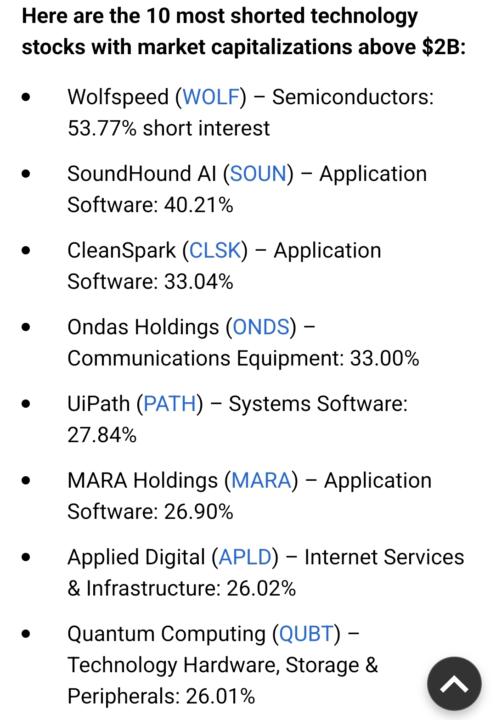
Thanks @Kim Huynh . I was expecting couple of more stocks to be on the list.

14d •
What should you invest in if you have $1 million?
If you had $1 million and were done with the 9-to-5 grind for good and housing , offsprings are all taken care of (no other obligations whatsoever)— how would you allocate it? What mix of investments would give you financial security, a comfortable income, and the peace of mind that comes from a portfolio that practically runs itself?
5 likes • 13d
I would love to be in this position. Realistically, it depends on how much income you need on monthly/annual basis. I asked Claude and got the following response. This generates around $38K annual income.
4 likes • 12d
This one showed up on my android news headline, because I was browsing on Chrome.

21d •
Most investors quit right before compounding kicks in. - The Helsinki Bus Station Theory
I came across a concept called the Helsinki Bus Station Theory and it resonated with the pschology of investing for me. Here's the idea: every bus leaving Helsinki follows the same route for the first few stops. Then — and only then — the lines diverge. Bus 33 goes north. Bus 19 heads southwest. What looked identical at the start leads to completely different destinations. It was applied it to creative careers. I immediately saw it in investing strategy. 🚌 The early years of your strategy feel identical to everyone else's. Your QQQ and SPY look the same as your neighbour's. Your covered calls feel boring. Your TFSA contributions seem small. 🚌 So you get restless. You hear about something exciting. You hop off the bus and head back to the station to try a new line. - I am so guilty of this! 🚌 But the divergence was coming. You just didn't stay long enough to see it. The investors who build real wealth aren't smarter than you. They just stayed on the bus — the same disciplined, boring, blue chip strategy — long enough for the compounding math to separate them from everyone else. The bus you chose is already heading somewhere great. The question isn't which bus. It's whether you're still on it in year 10. I've had moments where I wanted to jump off. Sticking with the strategy changed everything. What's the hardest part of staying disciplined with your long-term strategy? https://jamesclear.com/stay-on-the-bus

1 like • 14d
@Rong Zhou I agree, based on historical data we can plan the strategy and stick to it. I keep jumping as I lack patience and compounding period seems too long.
2 likes • 13d
@Rong Zhou Adding Blackberry to the list, WBA is the latest one. I agree Index funds are better and takes care of diversification.
1-10 of 888

@sukhwinder-dhanoa-4450
I am an engineer, who loves to try new hand on stuff. I live spending time with nature.
Active 3d ago
Joined Jan 3, 2023
Powered by