
🔥
16d •
Everything Old Is New Again
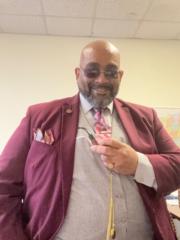
Good morning, gentlemen, Lately there has been a lot of talk about ties and wearing ties. How ties are coming back in the fashion and style scene not because it is mandatory in the workplace but because people are looking for a change and to be set apart. Some are looking at ties as a way to up their appearance without spending a fortune, either way ties are becoming the new aesthetic for men. For me, as a kid I was made to wear one on special occasions and to church functions. As I got older and I was placed and a supervisor position I was told to wear one, but as soon as I was not required, I did not wear them. fast forward years alter I find myself wearing them not because I am told to or have too, but because I love the look of them, I love how they accentuate my clothing and brings more options to outfits. What are your thoughts on ties? Do you wear them for work, for style, because it is required for you to? Do you see more men wearing ties as a trend, fashion statement, or the fact that many are getting back to the basics of being a gentleman? Do you see more men wearing button shirts and ties becoming the norm? Share your thoughts on this new era of men's wear.
🔥
16d •
Closing A Deal Made From Setting A table
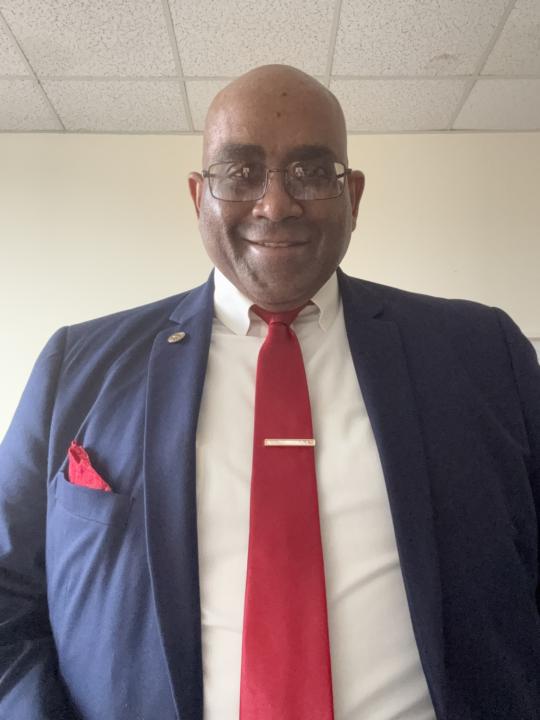
I am heading to a meeting to sign a contract that came from appearing and doing; not to be noticed, but because of who you are. About a week or so ago, I was out working running errands, meeting people, and following up on meetings. I did not plan to stop for lunch because I was not planning on being out that long however, time got ahead and it was late and I was getting a headache from not eating. I went to one of those Taco Bell/ KFC places and it was right around late afternoon lunch time. there was a line inside and while I was waiting; mind you I am in a suit, I ended up having a brief conversation with a lady and a gentleman about the line, basic customer service, along with how people tend to treat servers. I had placed my order and while I was waiting; I was given my cup to get a drink so, I went to my drink from the fountain and I also got my eating utensils and napkins. I basically set my table like I would at home and waited for my food. I went and got my food and after I sat down, this same lady and gentlemen asked if they could join me, naturally I said yes, they were dressed well like myself. During the first few minutes, the lady stated that they noticed how I set my table and they were impressed because they always set theirs as well and they wanted to have a nice lunch with me. They stated that my appearance, demeanor, and how I carried myself drew them to me and they wanted to know more about me. We ate lunch and got to know each other and they asked my what I did for a living and at the end of the lunch, they asked if I would come to their company and discuss security and give a evaluation of their current security in place. So, I did and this morning I am going to sign a contract with their company and it all started because they saw a well dressed professional gentleman and they wanted to get to know me.
🔥
25d •
Respond In Power
Good morning ladies and gentlemen, One thing that I am learning on this journey, is how important communication and words are. Our words can validate our status. How we respond to certain questions or statements cannot only help you build confidence in yourself but also how others perceive you. For example, when someone says thank you don’t reply with you’re welcome; without realizing it, your minimizing your own value. Words seem small but they shape how the world perceives you today. Here are a few responses that instantly elevate your presence: 1.When someone says thank you don’t say “you’re welcome”, say “it was my pleasure” or “you can always count on me,” value your time value your energy. 2.If you arrive late don’t say sorry I’m late, “say thank you for waiting”, or say “I appreciate your patience”. Turn guilt into gratitude. 3.When someone asks what you want to eat. don’t say “whatever”, say “you choose I trust your taste” calm confidence is leadership. 4.If someone asks whether you know how to do something don’t say “I don’t know”, say “I can learn it quickly” capability outweigh doubt. 5. If you don’t know the answer don’t say “I have no idea”, say “that that’s interesting. What do you think?” Well placed humility earns respect. 6.If someone compliments you, don’t deflect it say “thank you”. That means a lot, receiving with confidence is strength. 7. If a guest says there’s too much food, don’t apologies. Say “you deserve to enjoy it.” Generosity doesn’t need justification. Never speak carelessly every word either builds your presence or weaken it. Here is the thing; the most important part speaking well isn’t manipulation, It’s awareness. Master your words, and you master how the world responds to you.
🔥
29d •
Things I learned from my father
I learned from my father on how to greet and talk to people, especially ordering food and drinks. He would say you’re the man now, when the waiter comes to the table you’re gonna ask them their name, you’re gonna say nice to meet you their name, and then you’re gonna say their name in a sentence and I was like that “this is stupid, I’m not doing this.” My father said “just do it!” So I never forget, the guy came to the table. I said “hello,what’s your name?” He said “John” I said “hey nice to meet you John.” John,me and my sisters would like cokes please and my dad and mom will have a sweet tea.” My dad, he would make me do that everywhere we go every like decent restaurant nice restaurant he would make me do that. I remember thinking “this is so stupid.” I remember one summer maybe 6 months after he started making me do this, we’re at this place the in San Diego California, and so I have the server name and I say “excuse me Matt he comes right over. I said my sisters and I would like cokes please and my mom and dad would like sweet teas, please,”and I look over across the dinning room,and there’s a guy sitting right there with his wife. He’s about 50 years old and he’s flaming his arms in the air, “sir, sir, sir,please”, not getting any attention of the waiter and he had the same waiter we did, and Matt already brought or drinks back to the table before that guy ever got the attention of the waiter Why? Because everybody’s was a “sir”. You have zero control of any situation if you do not have the name of the person, but when you have the name of the person, not only do you command respect, not only can you have their attention, but you make them feel good about themselves.
🔥
Feb 6 •
How Are You Seen?
Good afternoon ladies and gentlemen, We all know that as we began this journey and have taken on the lifestyle of ladies and gentlemen we are noticed. Which puts us in the spotlight most of the time. So I am curious, what would you say when people either see you or engage you in public would be their thing that made them notice that you are a lady or a gentleman? Would you say it’s your appearance, your aura, your presence when you enter? What would you say defines people to classify you as a lady or a gentleman? Share with us what you think signifies you.
1-19 of 19
skool.com/society-of-ordinary-gentlemen
The Society of Ordinary Gentlemen is a community for individuals seeking to live with sophistication, confidence, and discipline.
Leaderboard (30-day)
1
+313
2

🔥
+271
3
+228
4

+196
5
+192
Powered by