
Pinned

⭐
🔥
1h •
VIP PERSONAL Masters Session
Nearly three hours. Outstanding work. Keep up it, everyone 👍 REPLAY HERE

Pinned
⭐
🔥
21h •
START HERE: Friday, JULY 10th~ Say Hi! Daily Check-In
EVERYONE—give a 👍 to this CHECK-IN and make sure you 👍 everyone’s comments! Are you NEW? Go HERE NOW!! FEEDBACK for your first PIRF FRESH assignment? Go HERE NOW!! Who is here E X P A N D I N G their English knowledge today? Which lesson are you working on today? Did you/will you join a LIVE class today? Do you have a question? Put it below. LIVE Classes today? Go HERE NOW!! What are the different LIVE classes? Go HERE NOW!! The ULTIMATE Guide!! WHAT can you learn from my lessons: Watch this video NOW!! How to get a 🔥 by your name? Go HERE! Ready for our newest PIRF VIP Speaking and DDM VIP Listening lessons? You can try one week of VIP for free! Go HERE NOW!!

Pinned
🔥
3h •
🔴 Quick Guide: LIVE Classes — July 11 ☀️
📅 SATURDAY — JULY 11 AMA with Coach Clive • Best for: speaking practice, improving fluency, and learning natural English expressions • Vibe: relaxed, fun, and encouraging 🙋🏻♂️🦝 AMA with Coach Khalil • Best for: pronunciation practice • Vibe: friendly, interactive, and supportive CONVERSATION with Coach Shane • Best for: real conversations, improving fluency, and using English naturally • Vibe: relaxed, social, and engaging Action English with Clive • Best for: learning practical English • Vibe: fun, interactive, and practical AMA with Coach Rochelle • Best for: speaking practice, pronunciation, and asking practical English questions • Vibe: warm, patient, and encouraging See you in class! 🚀


just now •
Burnings, Butchery & Black Death: London's Bloody Past
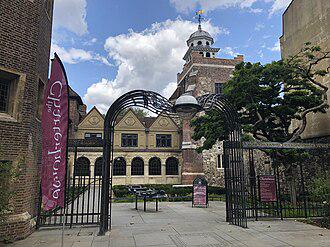
Hello friends! It's a bit long, but you'll learn some very interesting things. We did a 2-hour tour with the guide, Tom . I recorded it in secret, and today I want to share what I learned. Let's take a walk through the historic district of Smithfield. There are so many surprising secrets hidden in these streets. Kings, Religion, and Punishments In the past, the King or Queen had all the power. If you did not follow their religion, the punishments were terrible. For many years, Catholics and Protestants took turns in power. When a new king came, the other group was in danger. Kings used Smithfield for public punishments to show their power and frighten the crowd. St Bartholomew’s: Hospital and Church But Smithfield was also a place of hope. Long ago, in the 12th century, a man named Rahere built St Bartholomew’s Hospital to help poor and sick people. Right next to it, he built St Bartholomew the Great, London’s oldest church. Inside, the old stone walls make you feel like you are walking in the Middle Ages. The Plague: Protecting the Rich When the terrible plague came to London, the hospital became a very busy place. But isolating the sick here also had a dark reason: it kept the disease inside the poor areas. This way, the rich people could stay safe and sound in their clean, big houses far away. Wooden Pavements If you look closely at some of the old streets near the hospital, you can see something strange. Instead of stone, the roads are made of wood blocks. Why? Because the noise of horses and iron wheels on stone was too loud for the sick people in the hospital. The wood made a "silent street." The Lost River: From Water to Sewer Did you know that a river flows under our feet here? It is called the River Fleet, and it goes to the River Thames. Long ago, it was clean and boats used it. But when more people came to live here, they threw all their rubbish and dirty waste into it. It became so smelly and dirty that it made everyone feel under the weather. Finally, in the 19th century, workers built big brick tunnels to hide the river and turn it into a giant underground toilet (a sewer).
0
0

🔥
5h •
Can you feel the love tonight?
I’m in beautiful Siena, Tuscany, Italy. The wedding is about to start. Can you feel the love tonight?

1-30 of 11,579

skool.com/lme
Adults mastering American English speaking & listening skills. No cute lessons. Serious. Over 100 LIVE 1-1 Sessions monthly! We do have free lessons✔️
Leaderboard (30-day)
1
🔥
+6863
2

🔥
+3694
3

🔥
+3680
4

🔥
+3306
5
🔥
+3192
Powered by