
Pinned

4d •
🍂✨ Guided Minds Monthly Meditation Masterclass ✨🍂
Coming Home to Yourself – Finding Space to Rest 💚 Join us this Thursday 22nd October, 6:30–8:30pm, for a beautiful evening of guided meditation, mindfulness and gentle reflection. Inspired by the changing seasons and Buddhist mindfulness teachings, we'll explore letting go, reconnecting with our authentic selves and giving ourselves permission to simply be. ☕ Free to attend – just buy me a virtual cuppa if you can! 💚 Everyone is welcome, no experience necessary. Link to join https://us02web.zoom.us/j/9692249643?pwd=NGl2VWFZWUtLSzNyS1VNN3l0a21hQT09 🍁

Pinned
Dec '25 •
Welcome
Hello everyone and welcome to my Joyful mind community. I've several groups running Eazzy Slim, Six Steps to smoke free, Trance Tribe, Guided Minds, Power of 8, Oasis and decided to invite you all to one space to share your wisdom knowledge and of course collective group updates on weekly masterclasses, courses and gatherings. Community and connection is important for me and I'm delighted you are all here. I'll be adding goodies to the classroom, blogs and posts to the sections and dates and links in the calendar. Please introduce yourself and tell us about you and what brings you here.
2h •
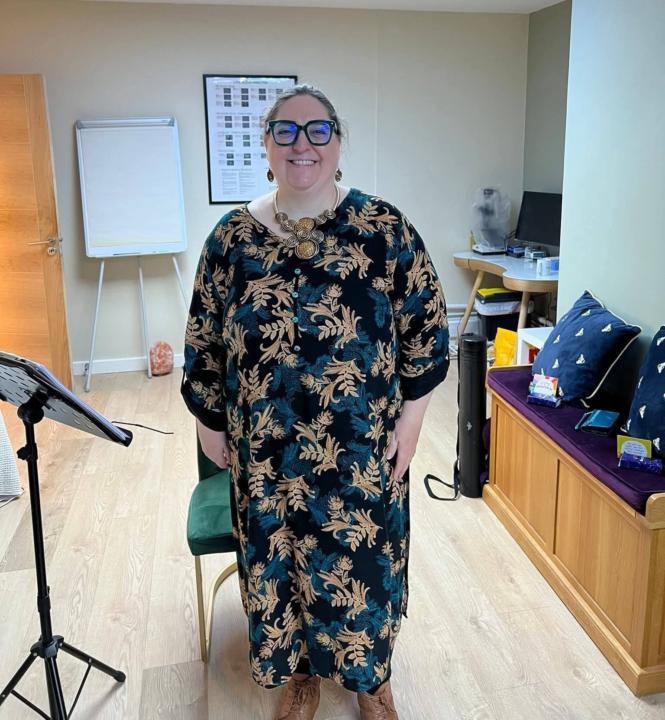
WHAT'S ON IN NOVEMBER | TRANCE TRIBE COMMUNITY 🌟
Hello, lovely Hypnotherapists! 💚 November is here, and what a wonderful month we have ahead of us! We've got practical training, spiritual exploration, meditation, peer supervision and, of course, our fabulous NCCH Autumn Convention! 🍂✨ November is also our final teaching month of 2026, so let's make the most of our time together before we take a well-deserved break. Throughout December, there will be no formal teaching or classes. It's your opportunity to catch up on coursework, consolidate your learning, enjoy some rest and spend precious time with family and friends. But first… here's what's happening in November! 🍂 WEEKEND TRAINING & SPECIAL EVENTS 🗓️ Saturday 7th November | 10am–4pm Clinical Hypnotherapy – Meet & Master We're diving into Module 2, bringing the theory into practice with hands-on techniques, demonstrations and opportunities to develop your confidence. 🗓️ Saturday 14th & Sunday 15th November 🍁 THE NCCH AUTUMN CONVENTION 2026! Our biggest gathering of the autumn! Two wonderful days of inspiring speakers, practical masterclasses, professional development and opportunities to connect with our incredible hypnotherapy community. From IEMT and TARC EFT to hypnobirthing, SEND families, rapid inductions and transcendent states, there's so much to explore. 💚 FREE for active Trance Tribe members! If you haven't reserved your place yet, please do! 🗓️ Saturday 21st November 🌌 Spiritual Hypnotherapy – Meet & Master Exploring Modules 3 and 4 through experiential learning, demonstrations and practical development. 🗓️ Saturday 28th November 🤰 Hypno-Doula Diploma – Meet & Master Working through Modules 1 and 2, developing practical hypnobirthing skills and exploring how we support families throughout their pregnancy and birth journeys. ✨ NOVEMBER THURSDAYS – ASTRAL MASTERY & SHADOW INTEGRATION Our November Thursday learning explores the fascinating world of spiritual and transpersonal hypnotherapy. 🌌 Technical Masterclass: The Akashic & Astral Protocols
0
0

25d •
✨ Miracles in Motion: Our Power of Eight Morning Reflection ✨
There’s something beautiful about starting the day with a circle of people bringing their attention, compassion and intention to one another. 🤍 This morning, we spent eight focused minutes holding each person’s intention. Time to pause, listen and give our full attention to what matters to someone else. Without sharing anyone’s personal story, our intentions centred around: 🌿 Rest and boundaries—finding the off-button, stepping back from constant availability and allowing ourselves to receive support. 🌿 Meaningful work and financial wellbeing—valuing what we offer, welcoming opportunities and feeling more comfortable charging for our work. 🌿 Health and recovery—holding hope for clearer answers, comfort and healing, with gratitude for those providing care. 🌿 Daily habits—loosening patterns that hold us back and making room for small, consistent steps towards wellbeing. 🌿 Clarity and self-worth—welcoming a quieter mind, greater kindness towards ourselves and the reminder that we are already enough. 🌿 Connection and love—bringing our work into the world while making room for nourishing relationships, joy and peace. For me, one of the gifts of this practice is noticing what happens within us as we focus compassion on someone else. We pause our own mental chatter. We connect. We remember that we can give and receive. 💫 Thank you to everyone who joined this morning and brought such warmth and care to our circle. Those we were thinking of from afar were held in our hearts, too. Take a slow breath. Feel your feet on the ground. Let today’s intentions guide one small, loving action. Seeds planted. Space to grow. 🌱✨ Amanda Joy 🤍 The Joyful Mind Mentor

4d •
When Gratitude Blossoms… 🌸
🌸 Last night, my husband and I sat together on the sofa, at the end of another busy day, and had the most beautiful conversation. We started reflecting on our life together and just how much has changed since we first met in November 2020. Six years ago, life looked very different. I'd just established my own home. I was working as a clinical hypnotherapist and massage therapist, and the previous November I'd completed my teaching qualification in hypnotherapy. I'd written my own training course, spent the year delivering it, achieved accreditation, won a couple of awards, and was just about ready to take that next big step towards establishing The Northern College of Clinical Hypnotherapy. And then, in November 2020, I met the man who would become my husband. ❤️ I remember that year so vividly. Comet NEOWISE had appeared in our skies earlier that summer, and being someone who absolutely adores the Northern Lights, I've always found something rather magical about looking up at the sky and recognising those extraordinary moments in life. And goodness, what an extraordinary five years it's been! Last night, we started making a list of everything we've achieved, experienced, overcome, learned and created together. Our home. Our cars that we've worked hard for and paid for. Our careers, the jobs we've loved and even the ones we haven't loved quite so much! The businesses we've developed, the challenges we've navigated, the friendships we've made and the opportunities that have come our way. And now, in our lovely new home, we have a dining room where we can invite friends and family around, share food, laughter, conversation and make even more memories. It might sound like ordinary stuff, but when you sit down and really reflect on it, you begin to realise just how extraordinary ordinary life can be. Of course, everything is still a work in progress. There are things we'd like to change, things we'd like to finish, and plenty of dreams we're still working towards.

1-30 of 195
powered by
skool.com/joyful-mind-community-4081
The Spiritual, Practical community for Manifestation and Meditation Mastery. Build confidence & purpose. Teacher Training available. Join FREE!
Suggested communities
Powered by