

2h •
Spaced repetition
Something I've been thinking about in case it helps anyone else - I've been working on learning language and lines, and one of the issues I was having was that I'd take down a line or a lick and learn it in a practice session, and then move on and never touch it again and I'd forget it. I'm trying to now get into a habit of applying the technique of "spaced repetition", so a bit of repeated practice of the same lick, ideally as soon as possible after the first time, and then with bigger and bigger gaps. So for example, practice the same lick 2 days in a row, and then revisit it (even just briefly) after a week, then maybe after another 2 weeks. I'm finding things stick a lot firmer this way, and are more likely to come out in my improvising! Same thing should be applicable to other things not just licks, e.g. learning repertoire

5d •
South African Violinist
Hii everyone I'm new here and in the world of Jazz. I play a violin. Any tips for a beginner? (I am from a classical background)

7d •
Developing past the “beginner” stage
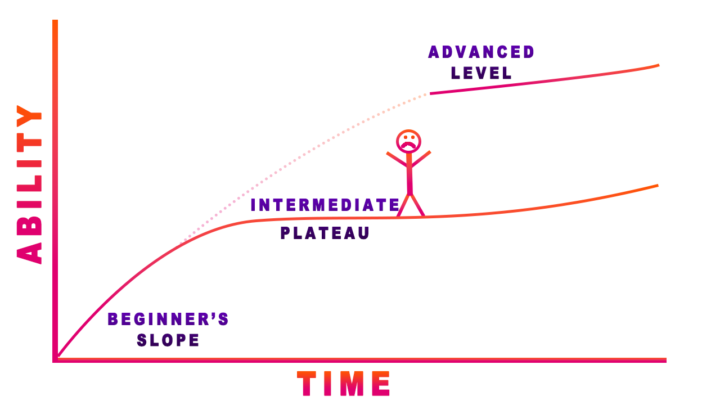
So you got to the point that you can improvise over changes, you have some tunes together and you might even be gigging around with other musicians. Great! But how do you carry on progressing? The earlier on in the process you are, the bigger your “wins” feel. Progress isn’t just a diagonal line upwards. It often feels like one or two big spikes, then a flat line with the occasional small bump upwards. Firstly, just keeping this in mind will help you stay motivated, don’t quit because you aren’t getting that same buzz you got at the start when everything was new and exciting. Secondly, it’s time to find how you can fit practise into your life regularly and realistically. Real progress is made by sticking with regular practise in manageable chunks. Focusing on specific goals and starting to understand “the long game”. If you can find a system or routine that you truly enjoy, you will stick with it for longer and make real progress. Iv seen it countless times with students, once someone finds enjoyment in certain practise methods (transcription, tune learning, harmonic improv practise, scale exercises), they start to really make amazing things happen in their playing. That’s why I love this place. It’s becoming a place where we help each other through this whole thing. Developing our playing together. My jazz violin practise club each week is a place where dedicated learners “show up”, practise together and learn new skills. The consistency is key there. PREMIUM members get one a month VIP members get one a week I’ve been there pretty much every Monday for about 5 years now. There are members who aren’t far behind me in those numbers too. Message me to try it out or sign up below https://www.skool.com/jazzviolin/plans
4
0
13d •
Self guided progress
Jazz is often a self guided journey. We are developing our own voice and we need to look at the music in our own time so we can process things properly. You don’t need to be told you are doing thing “right” or “wrong” with your technique so much. You need to space to work out what YOU like and want to focus on. It’s why I have the PREMIUM tier on here. 1x practise club a month 3 x extensive video courses (foundations, learn your first tunes, understand chromatics) 1x etude every month 1x new exercise transcribed each week A selection of past practise club session recordings Right now it’s $19 a month. try it below. https://www.skool.com/jazzviolin/plans
1
0
16d •
Struggling with Swing Rhythm? Do this
2 things The first… Listen to jazz everyday for 20 mins. (You can use my listening list for this) If you can’t hear swing in your head, there is absolutely no way you will make it happen with your bow Second. Go check out my free jazz bowing lessons in the classroom. It’s literally anything you might need to to start getting swing into your playing. There is so great secret really, just a few tricks that will help you throughout your whole jazz playing journey (I still apply it when I need to) https://www.skool.com/jazzviolin/classroom If you want more tips and help understanding how a jazz musician thinks, practises and plays. Sign up for my next free starter workshop. https://us02web.zoom.us/meeting/register/ZnjEKtrbT4SZBPN60qVcHw
3
0

1-30 of 43
skool.com/jazzviolin
Teaching violinists to think, practise and play like jazz musicians.
Start the 5 Days to Improv challenge today.
Leaderboard (30-day)
1

+47
2

+30
3
+28
4

+25
5

+21
Powered by