
Pinned

Nov '25 •
The Many Flavours of EnduranceworX
This community is made up of people with a variety of interests in Endurance sports. Most of our people are Triathletes but we do have Cyclists, Runners, Duathletes, Aquabikers, Paddlers, Footballers and recently Hyroxers. Our coaches, most of whom are still active athletes have experience as athletes and coaches in all of these sports. So we can all get to know each other let us know what your flavour is. I shall kick it off.
1d •
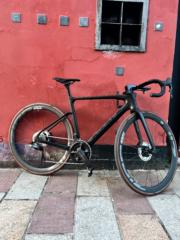
Full IM bike outfit
First timer on the full IM distance, what’s folks thoughts on wearing cycling shorts/top for full cycle? I have trisuit I wore at Celtman solo, comfort wise was fine but thinking will it be comfortable do the full cycle? It’s a zone3 trisuit. I appreciate time will be lost being a fashionista with multiple outfit changes 😁
4d •
Rudyard Kipling
To paraphrase if you can meet triumph and disaster and treat both those imposters the same.. Every week we can celebrate triumphs great and small but over the season there are far more disasters and downsides. It set me thinking when one athlete went from National Champion to a DNF and a 'gave up'. Then add in flawless prep and execution for a highly diligent athlete only to be robbed by a DQ. Set me thinking so I wrote a wee piece (full version available) and made a wee sideshow. Hope its interesting
4
0

Apr 3 •
Metabolic Profiling
All the rage at the Stirling Triathlon Performance centre. There may be a reason for it. Dorian works with Arild Tveiten and is using INSYCD software to provide 360 metabolic profiling. We have completed 3 of these in the last 2 weeks and the insights are super beneficial. It allows us to be super accurate in doing the training that impacts each physiological marker. No doubt we will see more of this as time moves on.
8d •
Drag in the water.
Rather than write long winded explanations and mathematical equations, ive tried to explain this in some wee vids.

1-30 of 152
skool.com/enduranceworx-3031
All about the craic and the endorphins. We educate athletes and coaches on moving in the endurance world
Leaderboard (30-day)
1
+9
2

+4
3
+3
4

+3
5

+2
Powered by