

🔥
12h •
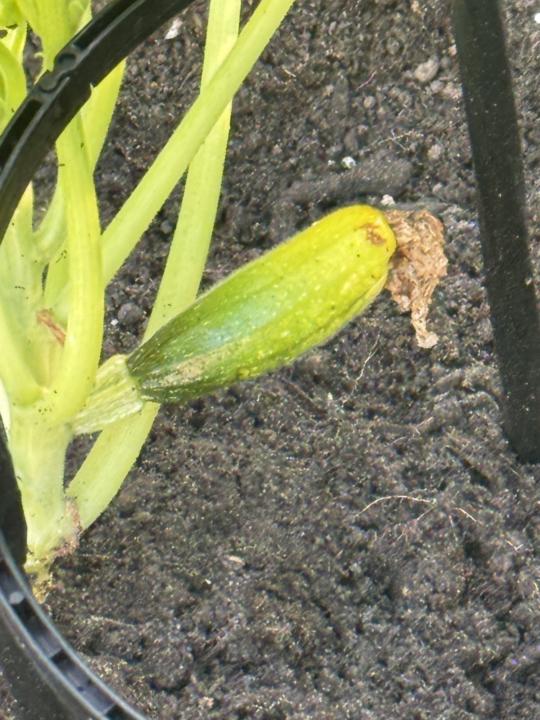
My poor cucumber
I was so excited to see my first cucumber a couple days ago, this morning I noticed it is turning yellow. It’s only about three inches long. Suggestions on what might have gone wrong?
🔥
14d •
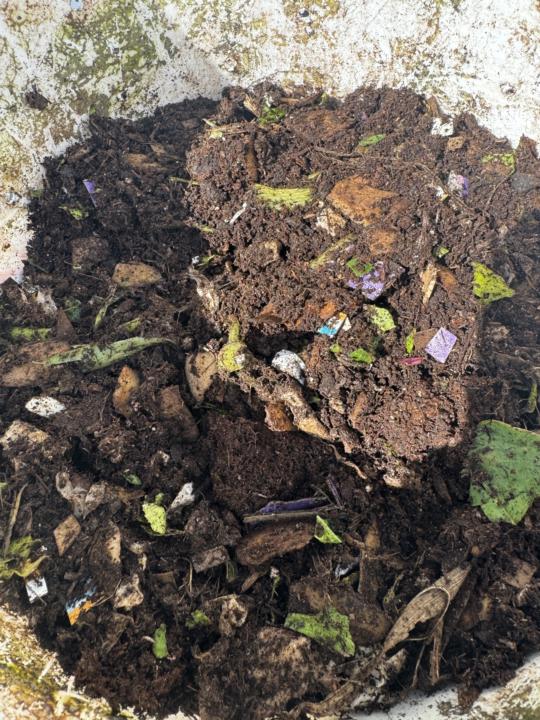
Working my compost bucket
Since I haven’t convinced the hubby yet that I need an inside composter… it’s getting more expensive as the days go by as I discovered a really cool $649 one today. Hahahaha…. I have been using my five gallon buckets I got from work.drilled holes all over bottom, tops and sides for airflow, water to enter, and drain. Each night as I walk through my garden, I remove any dry leaves, expended flowers, etc and toss them in my bucket. I also shred up paper towels I dry my hands on, collect tea bags and coffee grounds, veggie scraps, and cut up cardboard tubes and boxes to toss into my bucket. When my seeds didn’t germinate for me this spring, I decided to dump all the seeding mix in my bucket too. Each night after adding my scraps, I take my spade and chops it all up and turn it, mixing it all together. It’s looking good and my bucket is filling up quick.
🔥
6d •
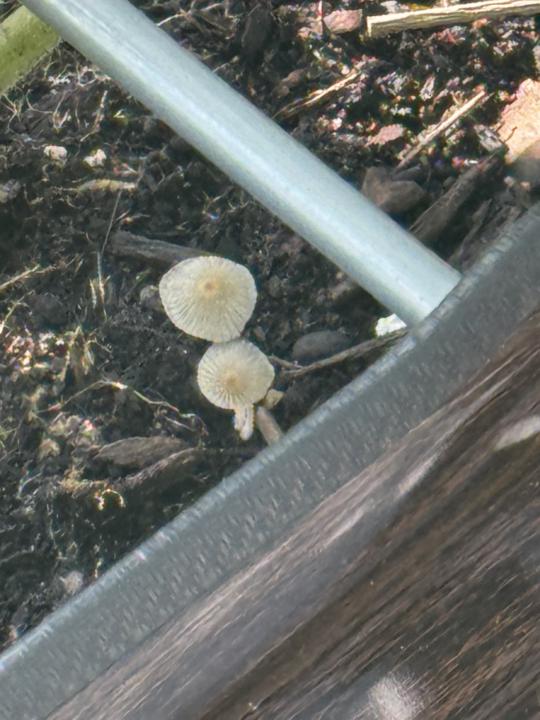
Mushrooms
Went out to check my garden this morning and discovered a couple mushrooms in my raised tomato bed. Should I be concerned?
🔥
26d •
The Two-Inch Test: How to Finally Stop Guessing About Watering 💧
Watering is one of the topics I get asked about A LOT. How much? How often? Am I doing this right? Here's the thing: there's no magic number that works for every garden. (𝘐 𝘬𝘯𝘰𝘸, 𝘐'𝘮 𝘴𝘰𝘳𝘳𝘺!) But there 𝘪𝘴 a simple trick that takes all the guesswork out of it. ✌️ 𝗧𝗵𝗲 𝗙𝗶𝗻𝗴𝗲𝗿 𝗧𝗲𝘀𝘁 Stick your finger about two inches into the soil near your plants. (𝘐𝘵'𝘴 𝘷𝘦𝘳𝘺 𝘩𝘪𝘨𝘩-𝘵𝘦𝘤𝘩 😉) What you feel tells you everything: 𝗕𝗼𝗻𝗲 𝗱𝗿𝘆 → you waited too long, water now 𝗗𝗮𝗺𝗽 → you're good, check again tomorrow 𝗦𝗼𝗴𝗴𝘆 → hold off, your soil already has plenty The best time to do this is right before you water AND a few minutes after. Watering, waiting a few minutes for it to soak in, then checking again, shows you whether you actually watered enough. (This is especially helpful if hand-watering.) The top of the soil can look damp and fool you into thinking you're done, while the area where the roots actually live is still dry underneath. ✨ 𝗪𝗵𝘆 𝗧𝗵𝗲𝗿𝗲'𝘀 𝗡𝗼 𝗢𝗻𝗲-𝗦𝗶𝘇𝗲-𝗙𝗶𝘁𝘀-𝗔𝗹𝗹 𝗔𝗻𝘀𝘄𝗲𝗿 A few things change how much water your garden needs: - 𝗪𝗲𝗮𝘁𝗵𝗲𝗿: Heat speeds up evaporation, so you'll water more in summer and less in spring and fall. - 𝗣𝗹𝗮𝗻𝘁 𝘀𝗶𝘇𝗲: Bigger plants have bigger root systems and need more water. Brand-new transplants or seedlings have tiny roots, so they need less water overall, even though it feels like they'd need more attention. - 𝗖𝗼𝗻𝘁𝗮𝗶𝗻𝗲𝗿𝘀 𝘃𝘀. 𝗶𝗻-𝗴𝗿𝗼𝘂𝗻𝗱 & 𝗿𝗮𝗶𝘀𝗲𝗱 𝗯𝗲𝗱𝘀: Pots, grow bags, and towers like a GreenStalk dry out much faster than a raised bed or in-ground garden. Smaller containers have more surface area exposed to heat, so the soil warms up (and dries out) quicker. 🍂 𝗠𝘂𝗹𝗰𝗵 𝗜𝘀 𝗬𝗼𝘂𝗿 𝗕𝗲𝘀𝘁 𝗙𝗿𝗶𝗲𝗻𝗱 Mulch is just a layer of material you put on top of your soil to protect it, and it's one of the easiest ways to keep moisture from evaporating so fast. - My personal favorite is straw. It's light in color, so it reflects heat instead of absorbing it, and it breaks down easily, feeding your soil as it goes. When I'm ready to plant a new round, I can either mix the old straw right into the soil to keep decomposing, or just push it aside and plant. - Shredded leaves (run over fallen leaves with a lawnmower) are another great option. They hold in moisture just like straw and break down even faster, adding organic matter to your soil along the way.

🔥
18d •
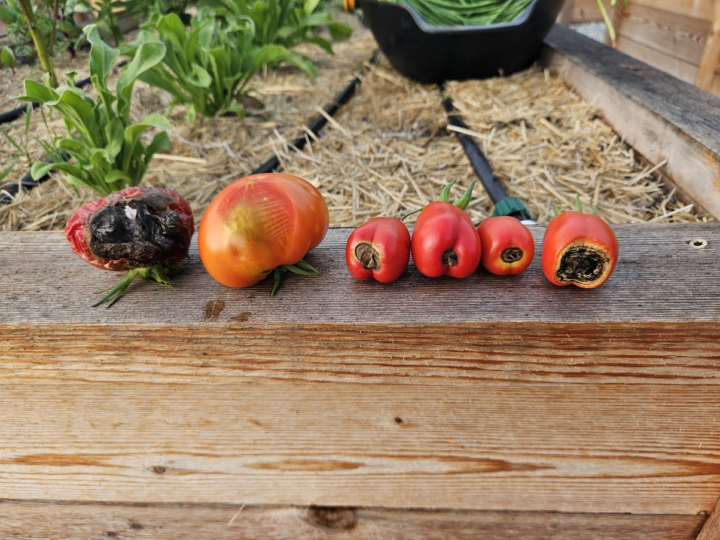
🍅 Blossom End Rot: It's Not What Most People Think
If you've ever gone out to check on your tomatoes and found the bottom of the fruit looking dark, sunken, or rotted... that's blossom end rot (also called BER). And I think it's one of the most 𝘮𝘪𝘴𝘶𝘯𝘥𝘦𝘳𝘴𝘵𝘰𝘰𝘥 issues in the garden. I'm currently dealing with this in my own garden, so it felt like the perfect opportunity to clear this up! 𝗧𝗵𝗲 𝗕𝗶𝗴 𝗠𝗶𝘀𝗰𝗼𝗻𝗰𝗲𝗽𝘁𝗶𝗼𝗻: "𝗝𝘂𝘀𝘁 𝗔𝗱𝗱 𝗖𝗮𝗹𝗰𝗶𝘂𝗺" The most common thing you'll see people say is that blossom end rot is a calcium deficiency, so you need to add more calcium to your soil. You'll find all sorts of remedies: - Drop Tums (antacid tablets) in the ground near your tomato plants - Pour milk into the soil or spray it on the leaves - Add bone meal or crushed eggshells and so on... These recommendations 𝘵𝘦𝘤𝘩𝘯𝘪𝘤𝘢𝘭𝘭𝘺 aren't wrong, because yes, blossom end rot 𝘥𝘰𝘦𝘴 have to do with calcium. And the plant IS having trouble getting enough of it. BUT, in most cases, there IS enough calcium 𝗮𝗹𝗿𝗲𝗮𝗱𝘆 𝗶𝗻 𝘆𝗼𝘂𝗿 𝘀𝗼𝗶𝗹. Especially if you've been adding compost, using organic fertilizers, and taking care of your soil health. 👉 The real issue is almost always 𝘄𝗮𝘁𝗲𝗿𝗶𝗻𝗴. 𝗦𝗼, 𝗪𝗵𝗮𝘁'𝘀 𝗔𝗰𝘁𝘂𝗮𝗹𝗹𝘆 𝗛𝗮𝗽𝗽𝗲𝗻𝗶𝗻𝗴? Plants absorb nutrients through water. When the watering is off, everything else struggles. 𝗧𝗼𝗼 𝗹𝗶𝘁𝘁𝗹𝗲 𝘄𝗮𝘁𝗲𝗿: Dry soil means the plant has no way to pull nutrients up through its roots. No water = no nutrient uptake. 𝗧𝗼𝗼 𝗺𝘂𝗰𝗵 𝘄𝗮𝘁𝗲𝗿: Excess water can actually wash/leach nutrients out of your soil. Waterlogged soil also makes it hard for roots to absorb nutrients properly 𝘦𝘷𝘦𝘯 𝘸𝘩𝘦𝘯 they're present. Both extremes produce the same result: the plant can't get enough calcium to the developing fruit, and you end up with blossom end rot. (Boo). ✨ A consistent, appropriate watering schedule is one of the most powerful things you can do for your garden. ✨ If you want more guidance on how and when to water, I covered this in detail in my recent post on watering HERE.
1-29 of 29

skool.com/diygardening
No green thumb? No problem. This is organic backyard gardening, made simple. (And fun 😉).
Leaderboard (30-day)
1
🔥
+519
2

+356
3

🔥
+172
4

+160
5

+156
Powered by