
Write something

18h •
Weight Loss Plateau
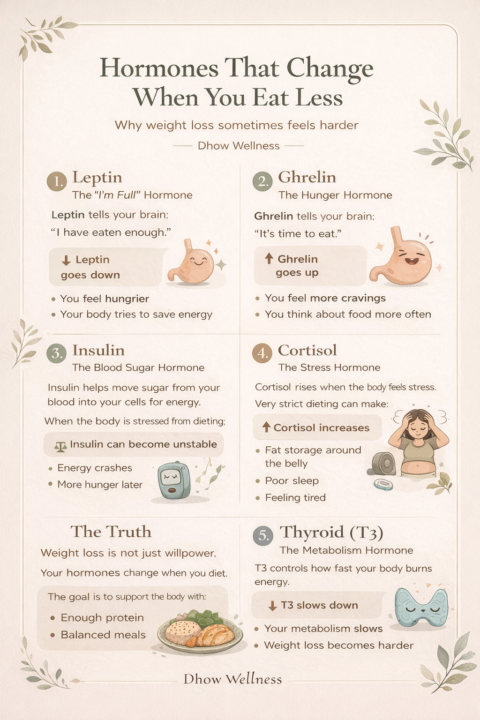
As a nutrition professional, you know that one of the most frustrating phases for any client is hitting a weight loss plateau despite strict adherence to their diet. Many people feel frustrated when their weight loss suddenly stops. They are eating well. They are following the plan. But the scale does not move. This happens because of something called metabolic adaptation. Your body is very smart. When it feels food is low for a long time, it goes into energy-saving mode to protect you. What Happens Inside the Body Leptin Goes Down Leptin is the hormone that tells your brain you are full. When body fat drops, leptin also drops. Your brain then thinks: “Food is running out.” So you may feel more hungry and the body burns fewer calories. Thyroid Slows Down Your thyroid controls how fast your body burns energy. When calories stay low for too long, the body makes less active thyroid hormone (T3). This means your metabolism slows down. Cortisol Goes Up This increases cortisol, the stress hormone. Higher cortisol can cause: • Water retention • Belly fat storage • Slower fat loss What Helps During a Plateau When weight loss slows down, the answer is not always eating less. Instead, support your body. Drink more water – good hydration helps metabolism and reduces stress on the body. Move your body more – walking, light workouts, and daily movement help your body burn energy again. Balanced meals with enough protein – protein helps control hunger hormones. Diet breaks or refeed days – sometimes the body needs a small reset. The Truth Weight loss is not just willpower. Your hormones, hydration, movement, and nutrition all matter. The goal is to work with your body, not fight it.
5d •
A teaspoon of Sugar
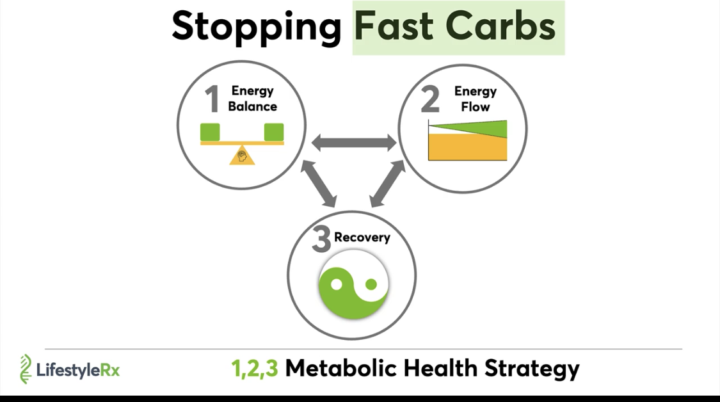
The simplest way to take the load off the pancreas is to decrease the fast carbs that trigger insulin. Limiting these fast carbs is the first thing to do When your blood sugar is normal, only a single teaspoon of glucose is circulating. Many foods contain large amounts of simple carbohydrates (sugars and starches) that convert quickly into glucose. These fast carbs are easily absorbed and immediately raise your blood glucose requiring a lot of insulin to maintain normal blood sugars. When you download this infographic, you will see that foods with sugar and flour contain a lot of fast carbs. For example, that white bagel you may have had for lunch contains the equivalent of 9.2 teaspoons of glucose. That's 9 times the amount of glucose in your blood! When you eliminate, decrease or substitute these fast carbs from your diet, the amount of insulin you need decreases. This is the first step on your path to improving your metabolic health. Download and print this infographic and put it in your pantry.
11d •
Protein Pulses
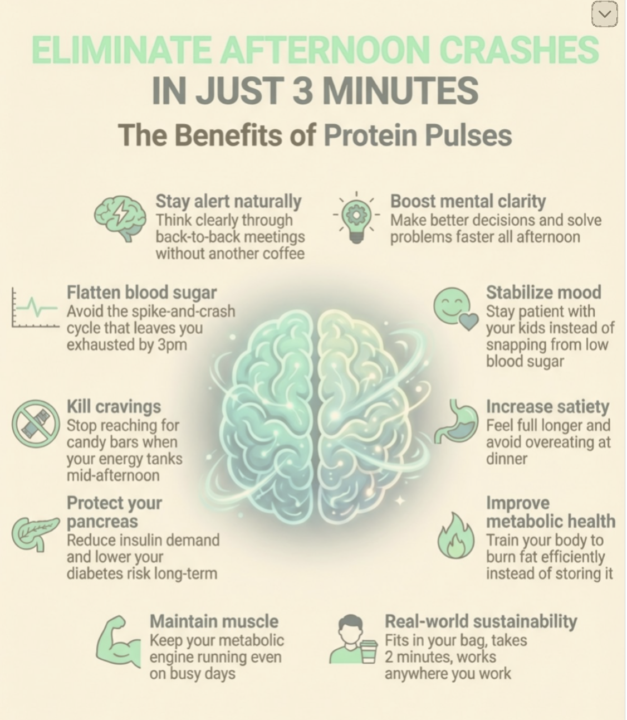
You can stop your afternoon energy crash in 3 minutes. No extra meals. No caffeine. Just protein. These are called protein pulses. They're one of the simplest ways to stabilize blood sugar, maintain focus, and avoid the 3 pm slump that derails your productivity. Most people fight afternoon crashes with coffee or sugary snacks. That works briefly. Protein works better. Here's why. 𝗬𝗢𝗨𝗥 𝗕𝗟𝗢𝗢𝗗 𝗦𝗨𝗚𝗔𝗥 𝗗𝗜𝗖𝗧𝗔𝗧𝗘𝗦 𝗬𝗢𝗨𝗥 𝗘𝗡𝗘𝗥𝗚𝗬 When you go more than 3-4 hours without protein: ↳ Blood sugar becomes unstable ↳ Cortisol rises to compensate ↳ Energy, focus, and mood all drop That afternoon crash isn't about willpower. It's about blood chemistry. Strategic protein timing fixes this fast. 𝗪𝗛𝗔𝗧 𝗧𝗛𝗘 𝗥𝗘𝗦𝗘𝗔𝗥𝗖𝗛 𝗦𝗛𝗢𝗪𝗦 Small amounts of protein between meals: ↳ Flatten blood sugar curves ↳ Reduce cravings and brain fog ↳ Maintain steady energy without stimulants ↳ Support muscle maintenance throughout the day Even a single 15-20g protein pulse helps. The real gains come when you repeat it daily. 𝗪𝗛𝗔𝗧'𝗦 𝗛𝗔𝗣𝗣𝗘𝗡𝗜𝗡𝗚 𝗜𝗡 𝗬𝗢𝗨𝗥 𝗕𝗢𝗗𝗬 𝗪𝗛𝗘𝗡 𝗬𝗢𝗨 𝗔𝗗𝗗 𝗣𝗥𝗢𝗧𝗘𝗜𝗡 Each protein pulse triggers: ↳ Slower glucose absorption → steadier blood sugar ↳ Increased satiety hormones (you feel satisfied longer) ↳ Sustained amino acid delivery to muscles and brain Translation: your energy stays consistent instead of crashing. One study tracked office workers who added mid-afternoon protein snacks. They reported 40% less fatigue and better focus compared to those eating carbs alone. Small intervention. Meaningful difference. 𝗧𝗛𝗘 𝗣.𝗨.𝗟.𝗦.𝗘. 𝗙𝗥𝗔𝗠𝗘𝗪𝗢𝗥𝗞 This only works if it becomes a system. 𝗣 - 𝗣𝗥𝗢𝗧𝗘𝗜𝗡 𝗧𝗜𝗠𝗜𝗡𝗚 ↳ Every 3-4 hours, eat 15-20g protein ↳ Mid-morning (10am) and mid-afternoon (2-3pm) are key windows ↳ Consistent timing beats perfect amounts 𝗨 - 𝗨𝗡𝗣𝗥𝗢𝗖𝗘𝗦𝗦𝗘𝗗 𝗦𝗢𝗨𝗥𝗖𝗘𝗦 ↳ Greek yogurt, hard-boiled eggs, jerky, cheese, nuts ↳ Real food beats protein bars ↳ Keep options at your desk or in your bag No access means no consistency. 𝗟 - 𝗟𝗜𝗚𝗛𝗧 𝗔𝗡𝗗 𝗤𝗨𝗜𝗖𝗞 ↳ These aren't meals, they're pulses ↳ 3 minutes to eat, zero prep required
5
0

20d •
Fiber
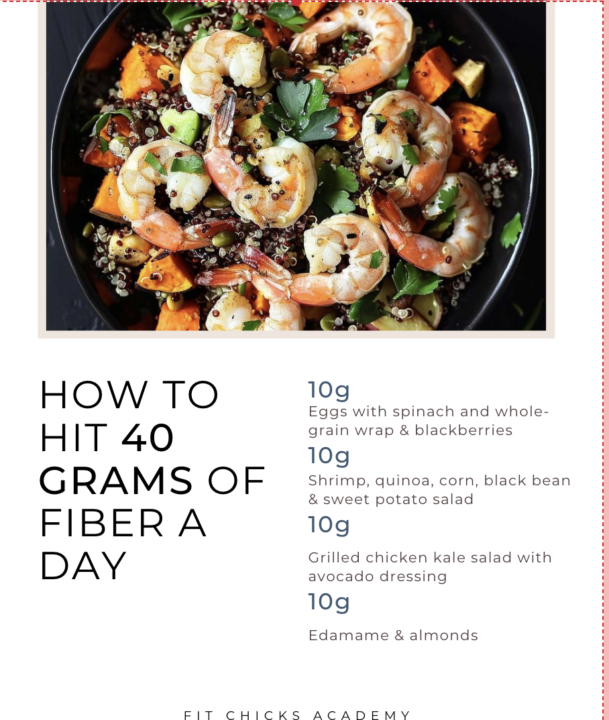
Low fibre can contribute to: Constipation, High cholesterol, Increased hunger Your fibre intake is mostly from:
Poll
4 members have voted
3
0
1-7 of 7

skool.com/dhowwellnesscircle
A gentler way to heal your body.
With guidance. With support. Want sustainable weight loss better hormones, sleep stress and longevity. Reverse Aging
Leaderboard (30-day)
1

+19
2

+6
3

+4
4

+2
5

+1
Powered by