Activity
Mon
Wed
Fri
Sun
Apr
May
Jun
Jul
Aug
Sep
Oct
Nov
Dec
Jan
Feb
Mar
What is this?
Less
More
Memberships
Free AI Video Course
169 members • Free
KVK Automates AI
396 members • Free
REVENUE REVOLUTION
5.1k members • Free
Outdoor Adventures
91 members • Free
🍉 Sexual Healing 🍉
525 members • Free
Business Ownership Academy
1k members • Free
Property Management 22
103 members • Free
Dhow Wellness Circle
62 members • Free
AI Automation Skool
2.1k members • Free
38 contributions to Dhow Wellness Circle

1 like • 19h
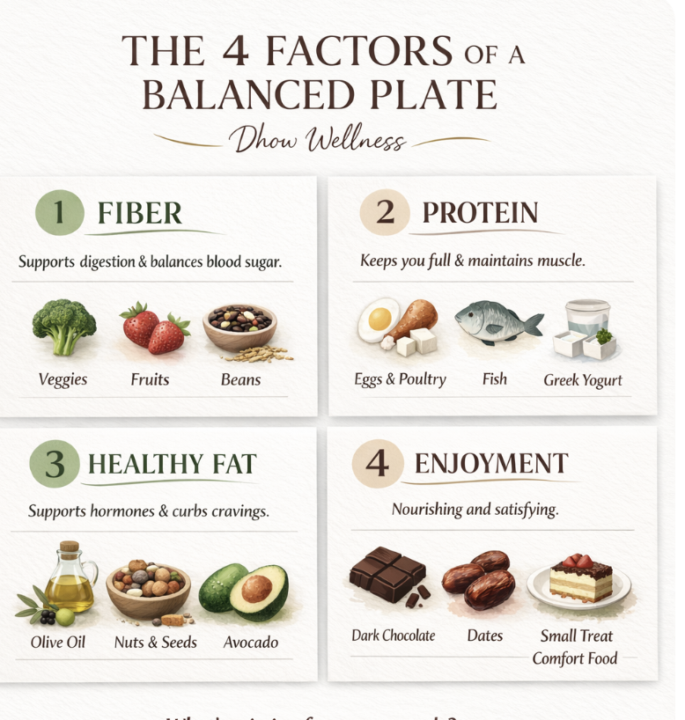
it's protein 😔

4d •
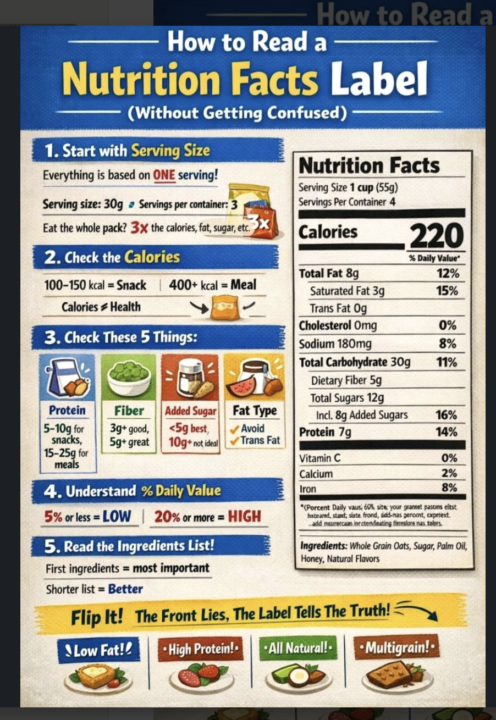
Nutrition Label
Understanding how to read a nutrition label is one of the most powerful skills for anyone serious about health, weight management, or smart eating. Let’s simplify it. 1. Start with the Serving Size Everything on the label is based on ONE serving. If a packet says: Serving size: 30g Servings per container: 3 And you eat the whole pack — you are consuming 3x the calories, sugar, fat, and sodium listed. Many people miscalculate intake because they ignore serving size. Awareness begins here. 2. Check the Calories (But Don’t Stop There) Calories tell you energy — not quality. 100–150 kcal = Snack range 400+ kcal = Meal range But calories alone don’t define health. A 200 kcal protein-rich snack is very different from a 200 kcal sugar-heavy snack. Calories ≠ Nutrition. 3. Focus on These 5 Key Elements ✔ Protein For snacks: 5–10g is decent For meals: 15–25g is strong ✔ Fiber 3g+ is good 5g+ is excellent ✔ Added Sugar Under 5g = ideal 10g+ = caution ✔ Fat Type Avoid trans fats completely Watch saturated fats ✔ Sodium High sodium contributes to water retention and long-term health issues. 4. Understand % Daily Value (%DV) 5% or less = Low 20% or more = High If sugar shows 20% — that’s high. If fiber shows 20% — that’s good. Context matters. 5. Read the Ingredient List Ingredients are listed in order of quantity. If sugar, palm oil, or refined flour appears in the first three ingredients — that product is primarily made of it. Shorter ingredient lists usually indicate less processing. Most Important Rule: Flip the pack. The front markets. The back informs. As someone who believes in disciplined lifestyle change, I’ve realized that reading labels is not about restriction — it’s about awareness. Small informed decisions made daily create long-term transformation. Because health is not built in the gym alone. It is built in the supermarket.
1 like • 4d
@Suki Kermali nice break down
1 like • 4d
[attachment]
5d •
Small Habits, Big Hormone Impact
Most health shifts don’t come from extreme diets. They come from small consistent habits. Better sleep. Fewer fast carbs. More movement. Stability beats intensity. What’s one small habit you’re improving this month?
2
0
5d •
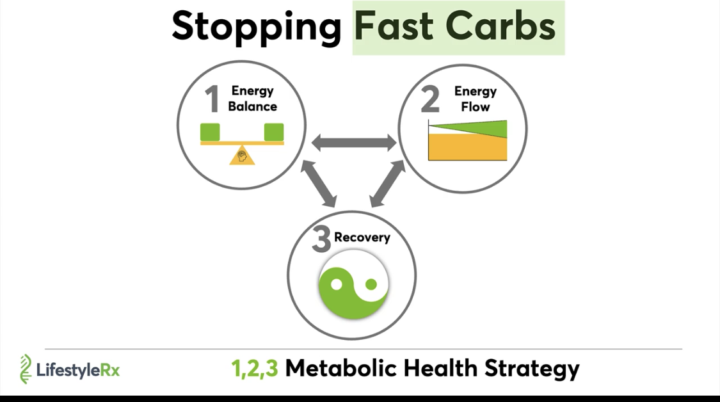
A teaspoon of Sugar
The simplest way to take the load off the pancreas is to decrease the fast carbs that trigger insulin. Limiting these fast carbs is the first thing to do When your blood sugar is normal, only a single teaspoon of glucose is circulating. Many foods contain large amounts of simple carbohydrates (sugars and starches) that convert quickly into glucose. These fast carbs are easily absorbed and immediately raise your blood glucose requiring a lot of insulin to maintain normal blood sugars. When you download this infographic, you will see that foods with sugar and flour contain a lot of fast carbs. For example, that white bagel you may have had for lunch contains the equivalent of 9.2 teaspoons of glucose. That's 9 times the amount of glucose in your blood! When you eliminate, decrease or substitute these fast carbs from your diet, the amount of insulin you need decreases. This is the first step on your path to improving your metabolic health. Download and print this infographic and put it in your pantry.
0 likes • 5d
This is such a powerful visual reminder. Most people think “it’s just one bagel” or “just a small snack” but seeing it in teaspoons of glucose changes perspective completely.
6d •
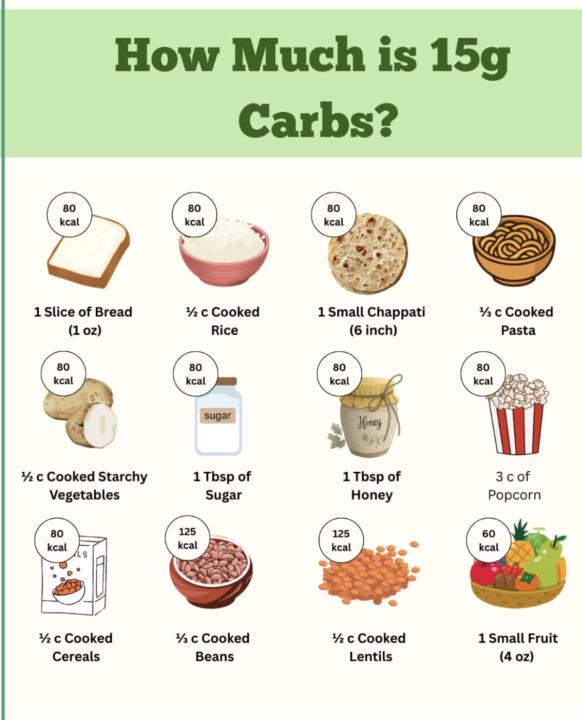
Carbs
A visual guide to 15 g carbs: see everyday portions of bread, rice, chapati, pasta & more that each equal one carbohydrate exchange (~80 kcal). As the American Diabetes Association states in _Diabetes Care_ (2020), ‘one carbohydrate choice typically provides about 15 g of carbs and 80 kcal, helping manage blood glucose through portion control’ (American Diabetes Association, 2020) — use this cheat sheet to balance your meals with Dhow wellness
2 likes • 5d
[attachment]
1-10 of 38

@shiv-pratap-singh-5671
I am interested in automation and systems.
I believe in helping people, sharing value, and keeping communities active and supportive.
Active 2h ago
Joined Jan 16, 2026
India
Powered by