

🔥
22d •
New High Performance Modules Added
I've had some success tonight and added a few more modules to the High-Performance Teams package within the classroom. You'll find active listening, emotional intelligence and well-being packages that are an awesome baseline for building high-performance teams within your workplace. The added bonus of these skills is that they're really relatable within the family environment as well. I mean, who doesn't like an emotionally intelligent partner that actually listens to you? It's a win-win for everybody. Once again, if you're interested in looking into these modules, I'd be more than happy to offer free access to the first few people who put their hand up.
🔥
9d •
Powerful You
How are you feeling today? Was it a normal boring day, or did you get after something awesome? For me it started out as a normal boring day. I got to work, I made the mistake of checking emails, and I went down a rabbit hole. I didn’t want to go down. It wasn’t until 10 am that I decided. I’ve gotta get out of here and do something better So I went for a 6k hike. - You believe in your own potential: You are powerful when you understand that you are capable of achieving anything you set your mind to. - Continuous Learning: You are powerful because you never stop learning and are constantly seeking to improve yourself and your skills. - Abundant Gratitude: You practice abundant gratitude, recognising and appreciating the abundance in your life.. - Relentless Drive: You have a relentless drive, never giving up until you achieve your desired outcome. - Bold Vision: You have a bold vision, setting your sights on big goals and pursuing them with passion and purpose. - Radical Self-Care: You practice radical self-care, prioritising your physical, emotional, and mental health to fuel limitless potential. - Extreme Ownership: You take extreme ownership of your life, taking responsibility for your actions and outcomes. What resonates with you? Is there something you’re doing to make yourself feel like you’ve accomplished something special?

🔥
25d •
New High Performance Classroom Package
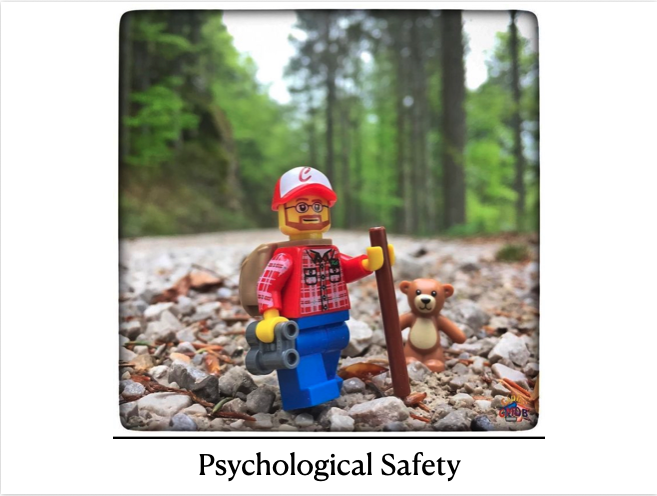
I’ve had a little bit of fun over the last couple of days putting together a high-performance training package in my classroom. What’s high-performance training about, I hear you ask? Well, in a nutshell, it’s just some ideas on how to behave within teams so that you get the best out of each other. I find it super interesting, and I get a massive thrill when teams take some of the ideas on and do really well as a result. A quick shout-out to @Daniel Halls . You mentioned you were putting your own high-performance stuff together, particularly around psychological safety. You inspired me to put what I had into my classroom. Now you can use what you need for your own course structure. I hope it helps you mate. It might at least point you in the right direction. I made this package up a couple of years ago when I was going through a Star Wars photography phase. The course is within my premium classroom. I’ll offer a free preview to 3 of you who are interested in taking a look.
🔥
Feb 8 •
What’s Really Holding You Back From Living
It’s raining in Sydney today 🌧️☔️ so I’ve been doing some reading and research. I came across this bit by Chris Williamson and found it quite fascinating. It’s a long one ⏳so if you’ve got the time to indulge me, I’d appreciate your thoughts. If you don’t have the time, I hope you all have a lovely day. “Thus conscience does make cowards of us all.” The line comes from Hamlet, and it’s usually misheard as an insult. As if Shakespeare is sneering at morality – like ethics soften us, or thought drains courage from the body. That’s not what’s happening; Shakespeare isn’t attacking goodness, he’s pointing at self-awareness and naming its cost. In the “To be, or not to be” soliloquy, Hamlet isn’t really weighing life versus death. He’s circling a more practical question: why do humans hesitate to act even when action would clearly relieve suffering? Why do we endure situations we don’t want and why do we tolerate lives that we could in theory change? Why do we not work to live in the area we want to live in? Why do we not go the extra mile and fight for that job we want? Well… Pain isn’t the only obstacle, imagination is. By “conscience,” Shakespeare means something closer to consciousness. The ability to think ahead, judge ourselves and simulate futures before they arrive. To see consequences coming and experience them emotionally in advance. Unfortunately, that ability cuts both ways. The very capacity that makes us reflective, ethical, and intelligent also makes us hesitant. We imagine worst-case futures so vividly that we treat them as already real. So courage isn’t defeated by fear. It’s defeated by simulation. We rehearse embarrassment, loss, rejection, and moral failure in advance, and the body responds as if those things have already happened. Heart rate rises. Muscles tighten. Avoidance feels sensible. Inaction feels like safety. Hamlet describes what follows: thought “puzzles the will.” Reflection drains us. Not because thinking is bad, but because it multiplies potential outcomes faster than our actions can deal with them.
2
0

🔥
Jan 21 •
2 Tips For a Better Nights Sleep
How’s your sleep? How do you feel in the morning when you wake up? Here are 2 quick & easy tips that will change the quality of your sleep. 1. Forced, exhaling - 3 seconds in, 7 seconds out. Calms the nervous system fast. It triggers your parasympathetic response, lowering heart rate and stress hormones like cortisol. Great for anxiety, better sleep, or just unwinding after a rough day. Forces slower breaths, so your brain gets more oxygen without hyperventilating. Try it during a panic spiral; works like a charm. 2. Left right eye movement - if you end up waking up in the middle of the night try this. Moving your eyes left to right behind closed lids can trick your brain into REM-like sleep stages, signaling it's time to wind down. Studies show it boosts relaxation by engaging the oculomotor muscles gently, distracting from racing thoughts. Helps reset circadian rhythms too—do it slow, about ten cycles, and combine with deep breaths for best results. Sweet dreams.

1-30 of 32
skool.com/crewfusionacademy
Understand human behaviour
Build leadership value in your team
Build better workplaces with:
Human Factors
Human Skills
Safety Differently
Leadership
Leaderboard (30-day)
1

🔥
+13
2

🔥
+5
3

+4
Powered by