
Write something
Pinned

16d •
Why Our Approach Is Different
Why Our Approach Is Different One of the biggest challenges in health today is that most people are looking for a quick fix. A magic pill. A miracle supplement. A new protocol. A trendy gadget. A shortcut. And honestly, I understand why. When you're exhausted, in pain, struggling with your weight, dealing with digestive issues, autoimmune symptoms, hormone problems, brain fog, poor sleep, or simply feeling frustrated by a body that isn't cooperating, relief can't come fast enough. That's exactly why the health industry continues to market products as if they're the holy grail. Every week there's a new supplement. A new superfood. A new biohack. A new promise. And while many of these products may have value, most are presented without context. Without purpose. Without intentionality. Without customization. Without evidence that they're the right fit for the individual using them. The truth is that no supplement works in isolation. No product is one-size-fits-all. And no health solution has the exact same answer for every person. That's why so many people spend years chasing promises. They buy another supplement. Try another diet. Follow another influencer. Purchase another program. And eventually find themselves more tired. More frustrated. More confused. More hopeless. Not because they're failing. But because they've never been taught how the body actually works. That's where our approach is different. At Bedrock, we aren't looking for the fastest solution. We're looking for the most sustainable solution. We're not interested in temporary symptom relief if the underlying problem remains untouched. We're interested in helping people create permanent change. That means we focus on: ✓ Purpose ✓ Intentionality ✓ Customization ✓ Evidence ✓ Education ✓ Long-term sustainability We help people understand why they're taking something. What it's supporting. How it works with other nutrients. How it fits into the bigger picture. And most importantly... How to adapt as their body's needs change over time.
2
0
Pinned
Jan 2 •
The Bedrock Health Matrix: Our philosophy and services
Welcome to Bedrock Nation! This document explains The Bedrock Health Matrix—our faith-rooted, evidence-based approach to healing and the services we offer. Inside you’ll see: our Faith • Function • Foundation philosophy, the 7 pillars of health, the Matrix framework (assessment, genetics, labs, lifestyle + coaching), and the Bedrock Roadmap that guides your journey from discovery → design → develop → thrive. Start here to understand how we personalize care, why we “test, don’t guess,” and how our community supports long-term change. When you’re done reading, drop a comment with: 1) your #1 goal, and 2) your biggest obstacle right now.
Pinned
Nov '25 •
Welcome to Bedrock Nation
We are so glad you are here! This is your space to learn, grow and connect - free from Facebook's distractions and censorship. Start Here: 1. Take your Free HIPAA Compliant Health Assessment and schedule a free 15 minute consultation by phone with one of our team. https://adobe.ly/41cHOYw (upon receipt of your assessment one of our team will contact you to set this up) 2. Download our 20 Truths to Better Health Guide (attached) 3. Introduce yourself in the comments and tell us what "Getting back to your Bedrock (Foundation)" means to you!
9d •
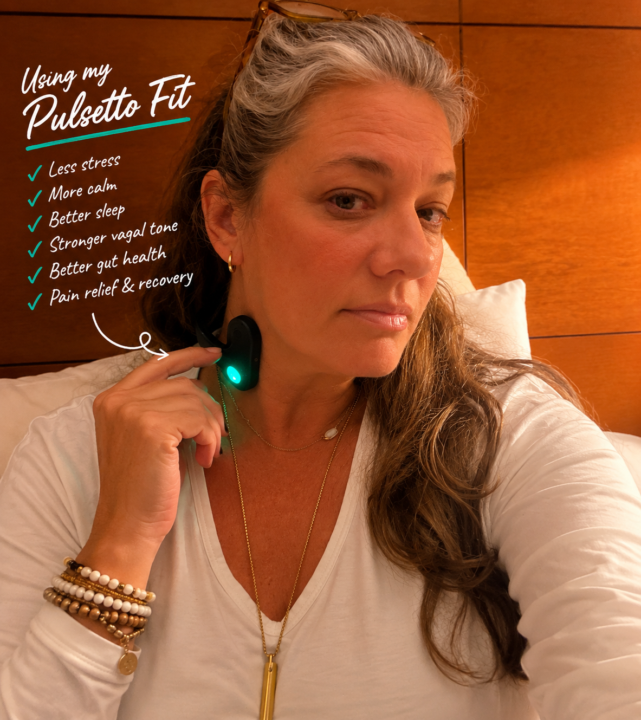
Why My Pulsetto Vagus Nerve Stimulator Is One of My Favorite Health Tools
How I use it for stress, anxiety, burnout, recovery, gut health, and nervous system regulation. If you’ve been around Bedrock Nutrition for any length of time, you’ve probably heard me say that symptoms are often the body’s way of communicating—not the problem itself. Anxiety. Digestive issues. Poor sleep. Chronic pain. Fatigue. Burnout. Many times, these aren’t isolated problems. They’re signs that the nervous system is struggling to adapt. That’s why one of my favorite tools over the past year has been my Pulsetto vagus nerve stimulator. I use it regularly myself, recommend it to many clients, and consider it one of the most practical ways to support the body’s built-in healing system. First: What Is the Vagus Nerve? The vagus nerve is the longest cranial nerve in the body. It connects the brain to many of your most important organs, including: - Heart - Lungs - Digestive tract - Liver - Pancreas - Spleen Think of it as the body’s primary communication highway. It helps regulate: - Stress response - Heart rate - Digestion - Inflammation - Mood - Sleep - Recovery When vagal tone is strong, the body is better able to move into a parasympathetic state—often called “rest, digest, heal, and recover.” When vagal tone is poor, people often feel stuck in survival mode. The Problem: Most People Are Living in Fight-or-Flight The modern world keeps the nervous system constantly stimulated. Emails. News. Social media. Financial pressure. Family stress. Lack of sleep. Inflammation. Poor nutrition. The body interprets all of these as stressors. Over time, people begin experiencing symptoms such as: - Anxiety - Panic feelings - Racing thoughts - Digestive problems - IBS - Poor sleep - Fatigue - Increased pain - Hormonal imbalances - Brain fog - Burnout
8d •
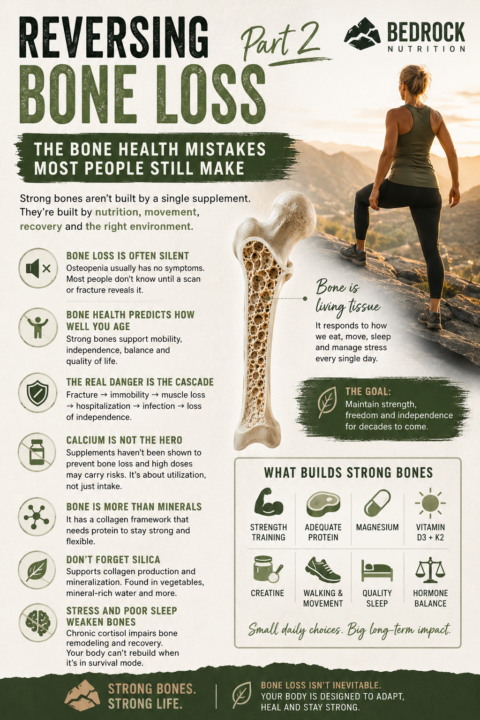
Reversing Bone Loss Part 2: The Bone Health Mistakes Most People Still Make
The Bone Health Mistakes Most People Still Make After publishing my recent article on reversing bone loss, I realized there were several important concepts that deserved their own discussion. Most people understand that bones need nutrients. What many don’t realize is that bone loss is often a symptom of deeper dysfunction occurring elsewhere in the body. If you’ve been diagnosed with osteopenia or osteoporosis, these additional factors may be just as important as the supplements you’re taking. 1. Bone Loss Is Often Silent One of the most dangerous things about osteopenia is that most people don’t know they have it. There is usually no pain. No warning sign. No obvious symptom. In many cases, the first indication something is wrong is a bone density scan or an unexpected fracture. This is why I often remind clients: The absence of symptoms does not mean the absence of disease. Bone loss can be occurring for years before it becomes obvious. 2. Bone Health Predicts How Well We Age When most people think about osteoporosis, they think about broken bones. But bone health is about much more than fractures. Strong bones are closely linked to: - Independence - Mobility - Balance - Strength - Fall prevention - Recovery from illness - Overall longevity The ability to get off the floor, climb stairs, carry groceries, travel, and remain active later in life often depends on maintaining both muscle mass and bone density. Bone health is really a quality-of-life issue. 3. The Real Danger Isn’t the Fracture There is an old saying in medicine: “Break your hip, die of pneumonia.” While that may sound dramatic, it highlights an important reality. The fracture itself is often not the greatest danger. The real threat is what happens afterward. Fracture. Hospitalization. Surgery. Immobility. Muscle loss. Loss of independence.
1
0
1-30 of 219
powered by
skool.com/bedrock-nation-8489
Free wellness community for faith based living, functional health and real connection - off social media, rooted in purpose - learn, grow and heal.
Suggested communities
Powered by