Activity
Mon
Wed
Fri
Sun
Aug
Sep
Oct
Nov
Dec
Jan
Feb
Mar
Apr
May
Jun
Jul
What is this?
Less
More
Memberships
ZeroOne Systems
11.7k members • Free
Invest & Retire Community
3.6k members • Free
GC
Growthworks Community
24k members • Free
AI Business Trailblazers Hive
15.1k members • Free
1859 contributions to Invest & Retire Community


2 likes • 6d
Thanks f or sharing @Rong Zhou
2 likes • 6d
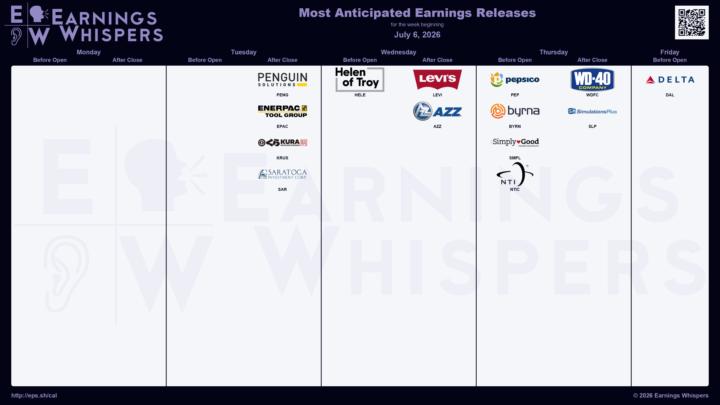
PEP this week

4 likes • 7d
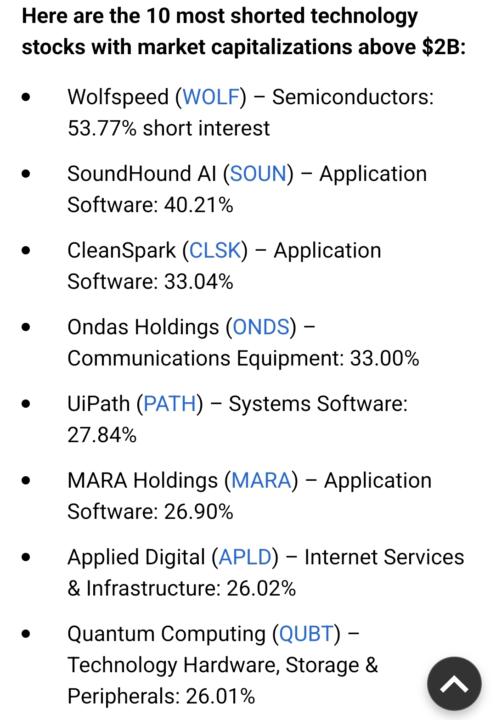
I understand that Michael Burry is currently reported bearish/short against Tesla, Caterpillar, Nvidia, Applied Materials, Micron, SOXX, and QQQ
1 like • 7d
@Kim Huynh yep; tis a brave person shorting Tesla or Micron

10d •
Congrats to the Top 10 Contributors for June 2026 and announcing July 2026 Prize
In Investing Accelerator, we are starting a new monthly prize pool for top 10 most active members Congratulations to the following 10 people for being the most contributing members of the community: 1) @Monica Bernard 2) @Rong Zhou 3) @Rose B 4) @Lindsay Talbot 5) @Sukhwinder Dhanoa 6) @Leon K 7) @John Meaney 8) @Sharon Yuen 9) @Kim Huynh 10) @Cris Bob I (Michael) will contact you in the chat to provide you with the gifts. You will receive: 1 share of IBIT $33.14 USD To show proof of purchase, you must post in the community that you received the share. For next month July, the prizes will be: NFLX Investing Accelerator Incentives: Get Richer by Helping Others Succeed 1. 🎁 Join Investing Accelerator for Free: Share the "How to Join Investing Accelerator for Free" guide with a friend. If they join, you both earn the referral fee. Learn More (https://www.skool.com/invest-retire-community-1699/how-to-join-investing-accelerator-for-free) 2. ⏱️ Speed & Success Bonus: Complete the program within 90 days and pay off the remaining balance to get 10% off the balance. 3. 📈 Trading Milestone Rewards: - First 30% Return from a Single Trade: Share your success in the community to receive a free stock. - 30% Portfolio Return in One Year: Achieve a 30% annual return to earn another free stock (once per year). 4. Student Referral Program: Refer a friend to join Investing Accelerator and you both earn $1,000 USD + a free stock each. Learn More (https://5mininvesting.com/free-case-study/)
3 likes • 9d
Congratulations to all winners.
1 like • 7d
Thanks again @Eric Seto and @Michael Leung - I received my paypal gift today, equivalent to 1 share of IBIT $33.14 USD. Many thanks
6 likes • 12d
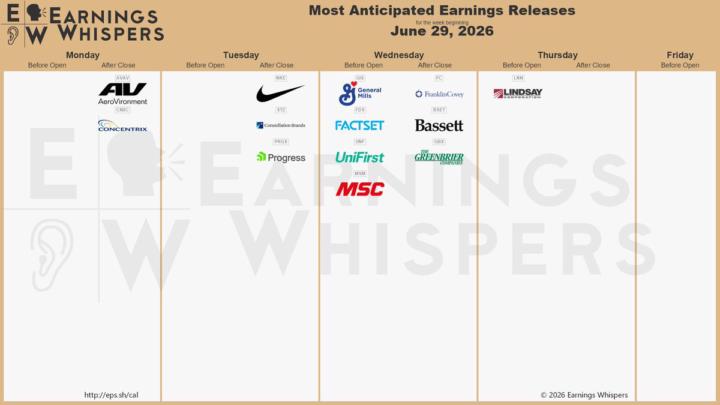
NKE - just may not do it ;)

13d •
Chamath Palihapitiya on AI
Highlights - 🤖 AI is the most important economic leveller of our lifetime, with unique potential to democratize expertise and economic opportunities globally. - 💡 Knowledge vs. Expertise: AI transforms mere factual knowledge into actionable expertise, enabling anyone to create and innovate at unprecedented levels. - ⚖️ Wealth Concentration Debate: There's tension between AI-driven levelling and fears of super-concentration of wealth; Palihapitiya argues for a more equitable economic model. - 🔥 AI Dilemma: Some AI leaders oscillate between hyping existential risks and product hype, creating harmful mistrust and “doomerism.” - 🛠️ Automation & Jobs: Many traditional professions, including skilled trades like plumbing, face potential automation, demanding a rethinking of employment. - 🏛️ Political Pushback: AI opposition is emerging as a real, bipartisan political force, partly fueled by resentment towards Silicon Valley’s concentrated power. - 🌐 Immigration & Innovation: Overuse and abuse of visa programs create bottlenecks, limiting America's ability to attract the best global talent critical to innovation. https://youtu.be/qLY04q3L4hA?list=PLc5F2y4laofG8BBeKLfc1h_wLFO0Gjx3M
5 likes • 12d
Yeh a sort of crossroads - it presents amazing opportunities as well as incredible threats. Hopefully we can make it through to the other side
1-10 of 1,859

Active 15h ago
Joined Jan 13, 2023
Powered by