Activity
Mon
Wed
Fri
Sun
May
Jun
Jul
Aug
Sep
Oct
Nov
Dec
Jan
Feb
Mar
What is this?
Less
More
Memberships
Brotherhood Of Scent
8.7k members • Free
27 contributions to Brotherhood Of Scent

Oct '25 •
🕰️ TBT: The First Scent That Made You Feel Like You
Let’s go back to where it all started… How did you first discover your favorite fragrance? Maybe it was your dad’s aftershave - that scent you’d recognize anywhere. Or the cologne you wore on your first date, job interview, or big night out. Sometimes it’s not just a smell - it’s a memory. A snapshot of who you were at that moment. Fragrance has a strange kind of magic. One spray and suddenly you’re right back there - in that old room, with those same feelings. So tell us your story: 👉 What was the fragrance? 👉 Where were you when you found it? 👉 What does it remind you of today? 💬 Let’s hear the scent that started your journey.


19 likes • Oct '25
Davidoff Cool Water! Best fragrance of my youth. Middle school was a buzz with that stuff

Oct '25 •
Considering the impact of fragrance purchases on your finances
There are a few issues I sometimes struggle with when looking at my fragrance collection. The main concerns include the money spent on the collection, the size of the collection, which involves finding storage solutions, choosing what I wear daily, and the waste involved. Finally, since I am not a young man, I consider the logistics of managing or disposing of the excess (which is quite a lot). Today, I will focus on the financial aspects; of course, I used AI tools to help put this together. Based on insights from fragrance enthusiasts and financial experts, it's common for credit card bills to show a significant increase in spending when someone gets deeply into collecting fragrances. The worry about "crazy spending" is justified, as the cost of premium and niche fragrances can rise quickly and cause financial strain for some. The financial impact on enthusiasts: • The "slippery slope" of niche fragrances: The fragrance community recognizes that pursuing high-end perfumes, known as "niche," can be a financially risky journey. It's common for collectors to spend hundreds of dollars on a single bottle. • The "dopamine rush" of buying: Some collectors say that the thrill of acquiring a new fragrance can become addictive, often called "fragrance addiction." The initial excitement fades, leading them to chase the next "high". • Blind buying and waste: Influencers and reviewers often generate excitement for new releases, but relying on their opinions can lead to "blind buys"—purchasing a fragrance without smelling it first. If they don’t like it, it results in wasted money. • Signs of financial stress: In extreme cases, excessive spending can cause neglect of other financial responsibilities, missed credit card payments, and mounting debt. For many, realizing how much they've spent serves as a wake-up call to change their habits. Financial strategies used by the community: • Set a strict budget: Many collectors establish a set monthly or quarterly budget to prevent overspending. Some only allow themselves one new purchase per month.
6 likes • Oct '25
Beeare…fragrance addiction IS A THING!

Oct '25 •
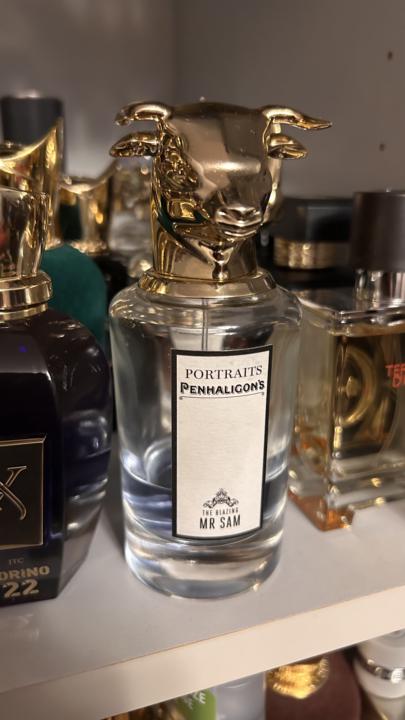
Penhaligon’s: The Blazing Mr Sam
Hey good people! Today, I decided to wear this amazing fragrance from the house of Penhaligon’s. Woody, spicy, sweet tobacco greatness! This is one of my favorite fragrances from the house. Great performance and projection, it gets compliments! Here’s a great review by our brother @Julio Gutierrez https://www.skool.com/bos/the-blazing-mr-sam-by-penhaligons?p=6849924b
3 likes • Oct '25
Loving that bottle!

4 likes • Sep '25
I’d recommend copping a couple dupes

Sep '25 •
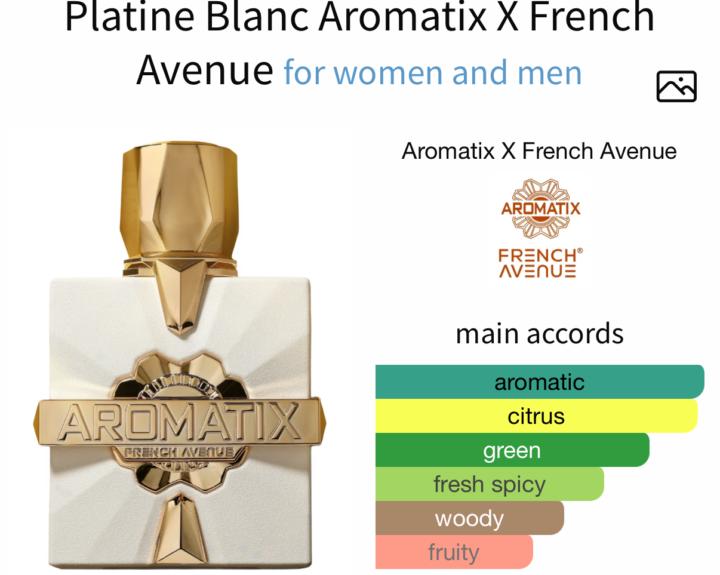
Sotd French Avenue AromatiX Platine Blanc
Its fresh, citrus, woody and minty Its a great dupe of Torino 21 Projection and longevity is great for a freshie. 8/10 cloudy days at the pool.
6 likes • Sep '25
I’d love to try that one! The red bottle too!!!
1-10 of 27
@michael-johnson-7031
Just a regular guy with a newfound interest and love for frags!
Active 108d ago
Joined Aug 4, 2025
Tracy, CA
Powered by