Activity
Mon
Wed
Fri
Sun
Oct
Nov
Dec
Jan
Feb
Mar
Apr
May
Jun
Jul
Aug
Sep
What is this?
Less
More
The Aspinall Way
32.7k members • Free
Perfumery
396 members • Free
Unison Producer Growth Hub
49.3k members • Free
Brotherhood Of Scent
9k members • Free
The Writer's Studio
604 members • Free
Team Ruff
14k members • Free
826 contributions to Brotherhood Of Scent
4d •
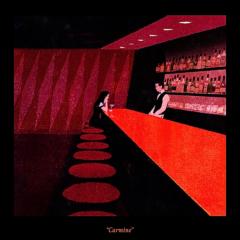
This killed me here 😂
The comment was well earned, I can’t with some of these perfume descriptions. I get it smelling good, but imagine being the girl’s boyfriend and reading this?? Or being an executive at Initio… yeesh.

1 like • 2d
@Erick Tai it’s genuinely really good! I don’t like castoreum that much, but this one is really well done
1 like • 2d
@James Dennard let us know what you think :D

2d •
Agreed or Disagree
https://youtu.be/zywojtqK8bk?is=Pkkj66Wq0Ww6gZC2 me personally i totally agree
Poll
8 members have voted
7 likes • 2d
I found you in the comments 😼

3d •
Has this ever happened to you?
So over the last few days, I've been working around the clock. Lot's of events and wedding season in Colorado is in full tilt. So I've been showering late at night before bed rather than in the morning. A couple of nights ago after a long shift, I bathed and wanted to wear one of my favorite fragrances.. Initio's blessed baraja. Lo es itband slept wonderfully. The next day I could slightly smell it when I woke up and had a 16 hour day in front of me. It was an early event so I wanted to wear something fresh. I went with PDM Sedley. And that was all I could smell until about 6 hours later when I started to sweat... Then I got that sweet animalic musk from the BB coming out of nowhere and there was no one around me... Have you ever had a fragrance just come back like that out of nowhere?
2 likes • 2d
Yeah happens to me a lot bro. Orto Parisi Terroni specifically is one that stays on my skin

3d •
Disappointed with Rabanne
https://youtube.com/shorts/OZr_Hfrp6g8?is=cQsvY0rV6hQYXyvZ Soulless and meaningless ai slop. All this money and status just to use a GenAI video to advertise.
6 likes • 3d
@Tony Longshore especially considering that they have the money for proper advertising! It’s a luxury brand!
7 likes • 3d
Such an enormous disappointment from Rabanne. You’d expect a luxury company that’s supposed to be high quality and prestigious would put that in their adverts.
4d •
Pinnace Noir by French Avenue review
#sotd... Pinnace Noir by French Avenue... This is a sweet-spicy aromatic fragrance. It has a bright and crisp opening, a warm mid, and a smooth and creamy dry down. This definitely has the mass appeal scent profile. Very easy to wear even as a daily reach. Strong projection in the beginning with great longevity. I got 10 hours of wear from it. I give this a 9 out of 10.

2 likes • 3d
I bet the bottle makes a great iron to smooth out your white shirts too lol. Great fragrance nonetheless.
1-10 of 826

Active 15h ago
Joined Nov 1, 2024
INFJ
Hyrane, RKR
Powered by