Activity
Mon
Wed
Fri
Sun
Feb
Mar
Apr
May
Jun
Jul
Aug
Sep
Oct
Nov
Dec
Jan
What is this?
Less
More
Memberships
GET FIT TOGETHER
10.1k members • Free
9 contributions to GET FIT TOGETHER

8h •
Day 1: reset day
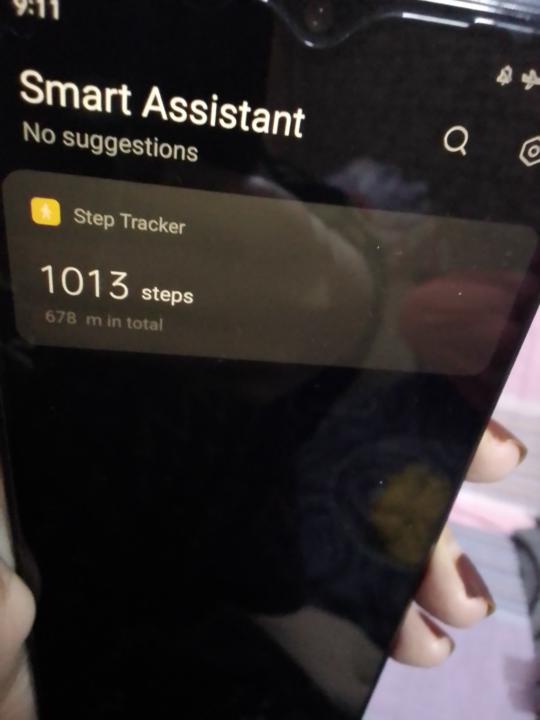
Assalamualaikum.... 1000 steps before BF ✅ 1 glass water before BF ✅ BF= bread slice and omelette half cup tea
21h •
Excited
Finally my level is unlocked..... InshaAllah from tomorrow I'll start my day 1 of kickstart challenge..... wish me best of luck 🤞🏽

3d •
Understanding Cortisol: Why Stress Can Block Fat Loss
Let’s talk about cortisol — a hormone that often gets blamed, but rarely explained properly. Cortisol is your body’s stress hormone. It’s released to protect you — to give you energy, keep blood sugar stable, and help you cope with stress. So cortisol itself is not bad. The issue starts when cortisol stays high for long periods. What Raises Cortisol (Often Without You Realizing): Skipping meals or eating too little Poor or irregular sleep Over-exercising with little recovery Excess caffeine Emotional and mental stress Always being “on the go” without rest Your body doesn’t differentiate between emotional stress and physical stress — it responds the same way. How Cortisol Affects Fat Loss When cortisol is consistently high: Blood sugar rises Insulin increases Fat storage increases (especially around the belly) Cravings become stronger Energy levels drop This is why many people feel stuck despite eating less or exercising more. Important Reminder This is not a willpower issue. This is physiology. Your body holds onto fat when it feels unsafe or over-stressed. What Actually Helps Lower Cortisol: Eating regular, balanced meals Prioritizing sleep and recovery Choosing sustainable workouts Walking and light movement Reducing extreme dieting or overtraining Fat loss happens more easily when the body feels supported, not punished. 💬 Community Check-In Which area do you feel impacts your stress the most right now? Food Sleep Exercise Work / mental load Share below — this helps us guide you better.
2 likes • 1d
How to overcome stress?
0 likes • 1d
@Dn. Alina Afzaal InshaAllah I'm already trying
2d •
Sorry i disappear
Assalam o alaikum wa rahmatullah e wabarakatoh Sorry i didn't post yesterday as i was not feeling well ...
4 likes • 1d
W.salam

2d •
✨ 10K Steps Isn’t a Workout — It’s a Lifestyle ✨
A lot of people say, “10,000 steps in a day is unrealistic.” But here’s the truth 👉 you don’t have to do it all at once. Think small, spread-out movement 👇 🚶♀️ Morning: • 5–10 minutes of walking after Fajr / morning routine • Walk while taking phone calls 🏠 Midday: • Walk while cooking or waiting for food • 5–10 minutes after lunch (great for digestion too!) • Take stairs instead of lifts when possible 🛒 Evening: • Park a little farther when running errands • Walk to nearby shops instead of using the bike/car 🌙 Night: • 10–15 minutes post-dinner walk with family • Walk while scrolling or listening to a podcast 📊 Reality check: • 10 minutes of walking ≈ 1,000 steps • Just 10 short walks of 10 minutes = 10K steps ✅ No gym. No fancy equipment. Just intentional movement throughout the day. 💬 Start where you are. Even 6–7k steps daily is amazing — consistency matters more than perfection. 👉 Comment “WALK” if you’re committing to moving more today 💪
3 likes • 1d
Amazing
1-9 of 9