Activity
Mon
Wed
Fri
Sun
Jun
Jul
Aug
Sep
Oct
Nov
Dec
Jan
Feb
Mar
Apr
What is this?
Less
More
Owned by Ally
Build your own personal, alternative healthcare team and wellness practices with advice from a 30 year Wellness Pro.
Memberships
CLUB THRIVE
83 members • Free
WELLNESS PRO ACADEMY
50 members • Free
Skoolers
193.2k members • Free
Sales Training & Placement
8k members • Free
Conscious Business Frameworks
7.3k members • Free
CLUB THRIVE TV
1k members • Free
Accelerator University
10.1k members • Free
74 contributions to WELLNESS PRO ACADEMY
11d •
Sales Practice : Mock Sessions
Meeting Recap 04-15-2026 : Sessipn by @Valerie Hwang Beck Effective discovery calls in a wellness sales context are less about presenting information and more about guiding a structured conversation that helps a prospect feel understood while uncovering their real needs. The discussion highlighted how trust is built early through clear framing, intentional questioning, and a calm conversational flow rather than rigid scripts. A strong approach includes setting expectations at the start of the call, asking open but focused questions to surface pain points and past attempts, and then reflecting back what you hear using simple language that connects their current situation to a possible transformation. Participants also emphasized the value of mapping a “current state to desired state” journey during the call so prospects can visually or verbally understand the gap and what working together would look like. At the same time, the group stressed avoiding over-documentation sent after calls, keeping momentum inside the conversation itself, and using AI tools mainly for preparation and internal structuring rather than replacing human interaction. Key Takeaways: - Discovery calls work best when the focus stays on understanding the prospect’s situation rather than immediately explaining the program or method. - Trust is built through structured but natural questioning that helps clients articulate their challenges and goals in their own words. - A simple “current state to desired outcome” framing helps prospects clearly see their transformation path during the call. - Overly detailed written summaries after calls can reduce engagement and should generally be avoided in favor of live conversation. - AI tools can support preparation and structuring, but the actual call should remain flexible and human-led. Next Steps: - Design a consistent opening flow that sets context, expectations, and tone for every discovery call. - Prepare a core set of 6–8 discovery questions focused on pain, history, attempts, and desired outcomes. - Practice mapping client responses into a simple transformation roadmap during live conversations. - Replace post-call documentation with light-touch follow-ups that keep prospects engaged in dialogue. - Use AI tools only for pre-call structuring, objection prep, and internal reflection, not client-facing summaries.


1 like • 10d
I’m so excited for these calls. First, I need sales practice. And second, they fit perfectly on my calendar. Thank you for this offering!

13d •
Sales Mock Sessions Tomorrow
Hello everyone! I'm looking forward to leading tomorrow's sales mock sessions. Last session, @Jacalyn Prete requested that we take some time to share resources and assets that we use in our sales sessions, such as roadmaps, calendars, email templates. If you have anything that has worked well for you in sales sessions, we'd love to learn from you! Please consider bringing in your resources for some show-and-tell. If you're having trouble with sales conversations, struggle with understanding the CLOSER framework or any other framework that we're using in WPA, please bring your questions, gripes and concerns. See you tomorrow!
0 likes • 11d
Thank you for leading this call. As my new offer is more solidified, I look forward to mock practice with others in this group!
19d •
Town Hall: Navigating Overwhelm While Staying Authentic
Meeting Recap 04-08-2026: Session by @Patrick Garlinger This Town Hall created space for honest conversation around the realities of balancing personal challenges with professional responsibilities. Participants shared experiences of burnout, “shiny object syndrome,” and feeling stretched across too many commitments, while also navigating family, health, and life transitions. The core insight was that growth doesn’t require having everything perfectly together—it requires clarity, boundaries, and the willingness to show up authentically while still holding professional integrity. By simplifying priorities, focusing on what truly matters, and allowing space for imperfection, participants were reminded that sustainable progress comes from alignment, not overload. What we covered: - Recognizing burnout and overwhelm from too many commitments - Letting go of distractions and “shiny objects” to regain focus - Balancing personal challenges with professional responsibilities - Showing up authentically while maintaining professional standards - Creating space for self-care and emotional processing Key Takeaways - Overcommitment often leads to burnout and lack of clarity. - Focus comes from choosing priorities, not adding more tasks. - Authenticity builds connection, even when things feel messy. - Personal challenges don’t disqualify you from showing up professionally. - Simplifying your focus creates more sustainable progress. Next Steps - Identify and eliminate one non-essential commitment this week. - Choose your top priority and focus your energy there. - Create space in your schedule for rest and self-care. - Reflect on where you may be overloading yourself unnecessarily. - Practice showing up authentically while maintaining clear boundaries. P.S. You don’t need to do everything—you just need to stay aligned with what matters most. Watch Recording: VIMEO link

5 likes • 19d
Great call today, I'm so glad I made calendar time for this.

26d •
introducing Ally Watters: Thrive Mode
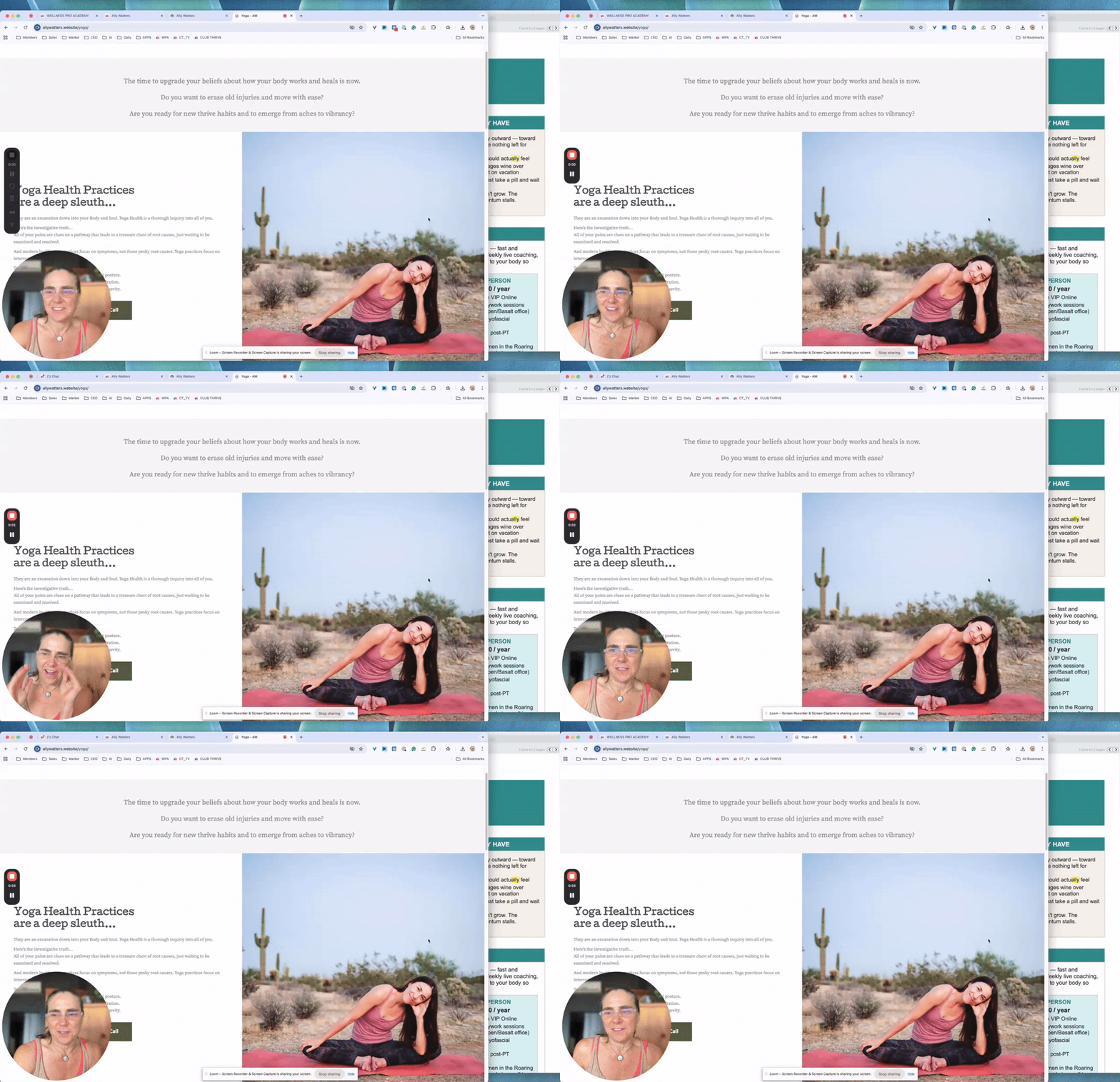
Hey everyone! I'm excited to introduce @Ally Watters an incredible yoga teacher and body worker who has recorded over 200 yoga classes. Ally is launching her Thrive Mode club, priced at 10k, to deepen her existing membership and connect with those interested in yoga and body work. I encourage each of you to share your club plans and interests, as this will help us all connect better. Allie is based in the Roaring Fork Valley, and I can't wait to see how she integrates her expertise in fascia release and trauma work into our community. Let's support her as she transitions her classes to our platform!
1 like • 22d
@Tarna Fuller yay! I look forward to to meeting you then!
0 likes • 20d
@Sandy Chapman Thank you! Happy to feel energized and moving forward with a fresh outlook.

21d •
Awareness → Action
Such a great Body Thrive call this morning. So good to be live with you, Denise Weinberger Sondra Goebel @Lynn Beck @Nina Saacks I loved how we leaned into future you and explored how the habits can truly support you heading into the detox. A few takeaways that really stood out: ✨ The power of reflection—having someone mirror back what we shared often revealed strengths we couldn’t see for ourselves ✨ Awareness creates action ✨ Resistance softens when we take small, intentional steps And a gentle reminder…As wellness pros, it’s easy to give so much to others. This is your time to take care of you. The detox is such a powerful place to lean into the community—let yourself be supported along the way. So here’s a question to sit with… What “future you” habits can you start today so you’re already building rhythm and awareness before the detox begins? For me, I’m leaning into: – Intentional 10-minute movement breaks throughout my day – Completing my evening wind-down routine fully (starting around 8 pm) – Nervous system resets twice a day Small shifts… that change everything over time. We’d love to hear what you’re leaning into—drop it below 👇 @Darlene Fermaint @Ally Watters @Angie Walker @Sandy Chapman @B. Renata Loberg @Yael Bernstein @Nina Pullella @Tarna Fuller @Cristina Davies @Daniel Boarman @Michel Le Gribble @Patrick Garlinger @Rachel Eastwood @Jessica Robinson @Susan Rodway Hall @Valerie Hwang Beck @Virginia White
1 like • 21d
thank you for the reminder that you are leading Thrive calls. I had only added the WPA calls to my calendar so far!
1-10 of 74
@ally-morrison-1727
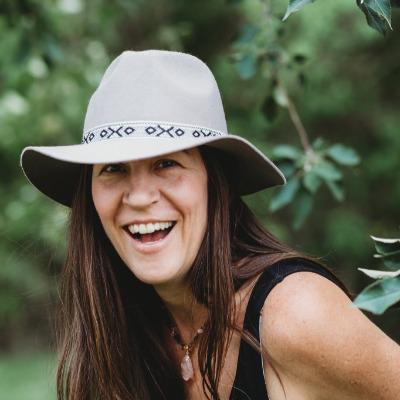
I'm an investigative yogi and wellness pro, applying structural and energetic wisdom to recalibrate your health towards thrive.
Active 23m ago
Joined Mar 22, 2026
Basalt, CO
Powered by