
Write something
Pinned

Oct '25 •
🚨New Members Starts Here🚨
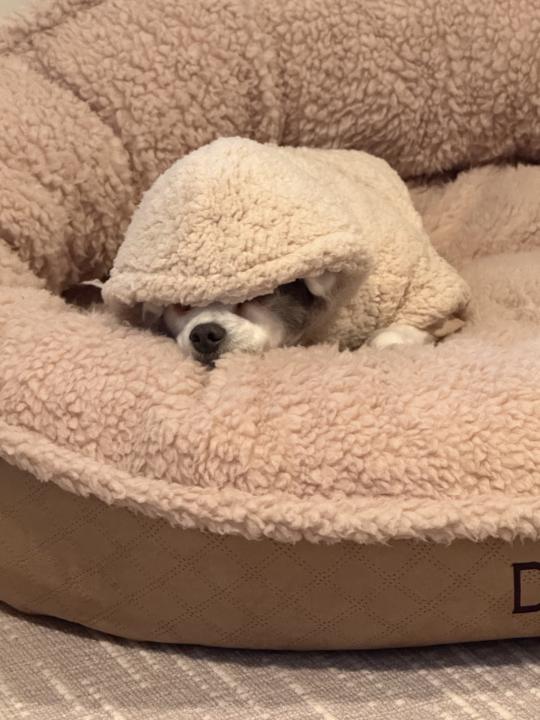
PLEASE READ AND COMPLETE! If you’re new here, welcome to the Vybrant family! 🎉 This isn’t your typical social media group. We’re not here to scroll, compare, or check out — we’re here to tune in. This space is about connection — with your body, your mind, your habits, and with others who are walking the same path toward better sleep, deeper energy, and calmer days. We slow down here. We learn here. We grow here — together. 🧭 Your New Member Checklist 1️⃣ Introduce Yourself Drop a post or comment below and tell us: - Where you’re from 🌍 - What brings you joy or lights you up 🔥 - What you hope to gain from being here 💫 2️⃣ Explore “The 30 Day Sleep Challenge ” Head to the Classroom section and go through the 30 day sleep challenge to begin and understand what’s going on. I have included an intro video in there. It’s packed with foundational info to help you understand how we do things differently — and how to get the most out of your experience here. 3️⃣ Check the Pinned Posts You’ll find upcoming events, live sessions, and community updates there. Jump into a live event if you can — it’s where transformation really starts. I teach it weekly 4️⃣Lastly: comment on 3 other peoples posts. I want to keep the energy up in here, and we only can do that by supporting one another! Together, we’re building something special — a space for support, encouragement, and accountability on your path to better rest and a brighter life. I’m so glad you’re here. Let’s make this the most Vybrant chapter of your life yet. ✨ — Josh P.S… also this is truffle, our unofficial mascot. He is with us in spirirt
Pinned
Apr 13 •
Huge shout out to our Monday WIN
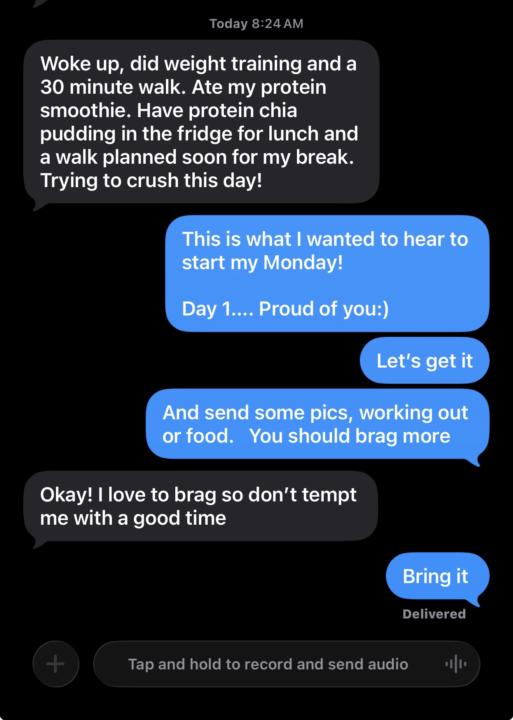
@Alexis Sivco made my Monday morning with this huge step as she recalibrates her week after major travel! Proud of you girl
2
0
9d •
2 Weeks to Go!
Time is flying! Just 4 weeks ago we started the end of summer lock in challenge in our sister community and now there are only 2 weeks left. But it’s not over yet! Everyone participating still have 2 weeks to give it their all. If you have been wondering about the challenge but haven’t seen any of the live calls or want to participate yourself, head over to the classroom and watch the recordings here and when you’re ready feel free to get started. The work that has been put in over these last 4 weeks has been astounding so I already know we’re going to close this out with a bang. Let’s have a great weekend team :)
0
0

10d •
Welcome! With a Quiz👀
Team, let's welcome in all our new member @Shreepal Zala as we head into the weekend! Happy you've joined the group! But first, coach has a question for you so vote below! In our workout plan for the end of summer lock in challenge happening in our sister group, we cover why cardio is not the only solution to losing weight. It is not a hard requirement and is optional. Cardio can help with recovery and increase daily burn but strength is the driver. So for those doing cardio, I wanted to ask you this. How much cardio should you do per week? Hope you have your notes😎 Bonus question!: What are some examples of cardio you can do?
Poll
Cast your vote
0
0

11d •
Here’s What’s Happening
Now I understand that in order to lose a pant size not everyone wants to train. I get it. But here’s why training helps you lose a pant size by explaining what is happening in your body. Strength training improves: - Muscle mass → higher metabolism - Insulin sensitivity → carbs go to muscle instead of fat - Hormonal balance → lower cortisol + improved growth hormone - Glycogen use → reduces water retention around the waist - Posture + core stability → flatter appearance - NEAT levels → you move more automatically The result? Your body becomes efficient at burning fat all day long, not just in your workouts! Neat right?
0
0

1-30 of 247
powered by
skool.com/unlock-your-sleep-9567
Learn how to finally feel energized after a nights sleep! 😴
Suggested communities
Powered by