
Pinned

Sep '25 •
New Comprehensive Online Brand Audit Custom GPT just for this community!
Link to the Brand Audit GPT: https://chatgpt.com/g/g-68d818a34998819183e8ec9611ee94bc-comprehensive-online-brand-local-presence-audit Want to perform an AMAZING and THOROUGH online brand audit? This has years of insights into the prompt driving the AI. Just provide your brand inputs/data and this will do the most thorough online brand audit you have seen. Want to level it up one more? Take the final output from ChatGPT and copy it into Manus.im and instruct Manus to validate and improve the audit wherever possible and then to publish the full report to a website :) thank me later and I would love to hear your feedback/results with this! Link to the Brand Audit GPT: https://chatgpt.com/g/g-68d818a34998819183e8ec9611ee94bc-comprehensive-online-brand-local-presence-audit
Pinned
Feb '25 •
GBP Listing Audit and Optimization Checklist Sheet!
🎁 EXCLUSIVE RESOURCE ALERT! SEO Success Academy members, I'm thrilled to share something special with you today – my comprehensive Google Business Profile Audit & Optimization Checklist! LINK: https://docs.google.com/spreadsheets/d/1ayxFzYlj-zJCO3i6GFyoEZrWa6BvATNhmApJiG6WGGg/copy This is a powerful tool I've refined through years of helping our agency team in fulfillment while we help agencies and their clients dominate their local search rankings. These are the same steps we take to audit a GBP listing and also the same checklist we use in month 1 of a new campaign to optimize/level up the target GBP listing. You'll get my exact process for: - Uncovering hidden optimization opportunities - Fixing critical profile errors that hurt a GBP's visibility - Maximizing local search performance with an optimized GBP - Links to the tools/extensions I use for local/GBP audits and optimizations Ready to take your local SEO game to the next level? The checklist is now available in our community resources section! Drop a 🎯 below if you're excited to put this checklist to work for your agency or business!
Pinned
Nov '24 •
The Ultimate Website Architecture Blueprint
Exclusively for my SEOSA Members! This is what a good site architecture should look like... If you have any questions, drop them in the comments and tag me!


2d •
Using Rank Math SEO
Suggestions on using it or not? Just getting into it after spending yrs with AIOSEO. It certainly does schema better.
0
0
2d •
Professional Services: Becoming the Trusted Expert
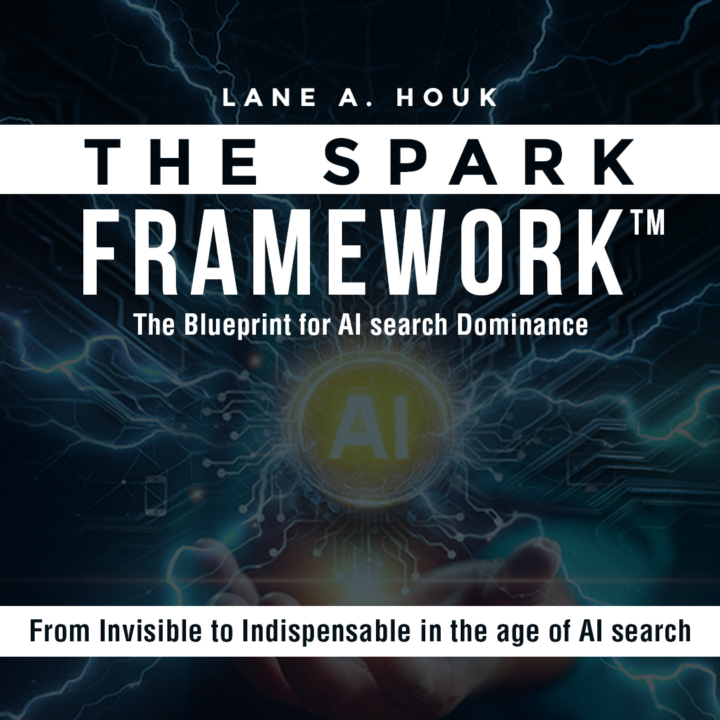
Professional services firms—lawyers, accountants, consultants, agencies—have a significant opportunity in AI search. When potential clients ask AI systems for advice or recommendations, being cited as the expert can be the difference between winning and losing business. The SPARK Framework™ helps professional services firms establish topical authority that AI systems recognize. This means creating comprehensive content that demonstrates expertise, building a strong personal and firm brand presence, earning authoritative backlinks, and maintaining consistent thought leadership. AI systems are looking for signals of expertise, authoritativeness, and trustworthiness. The more you can demonstrate these qualities across multiple platforms, the more likely you are to be recommended. Question for the community: How are you positioning your expertise to be discoverable by AI platforms? What content formats are working best?
0
0
1-30 of 524

skool.com/seo-success-academy
Welcome to SEO Success Academy – the ultimate destination for business owners, digital marketers and agencies to master the art and science of SEO.
Leaderboard (30-day)
1

+1
2

+1
Powered by