

3d •
The 12-Month Roadmap: Strategic Implementation
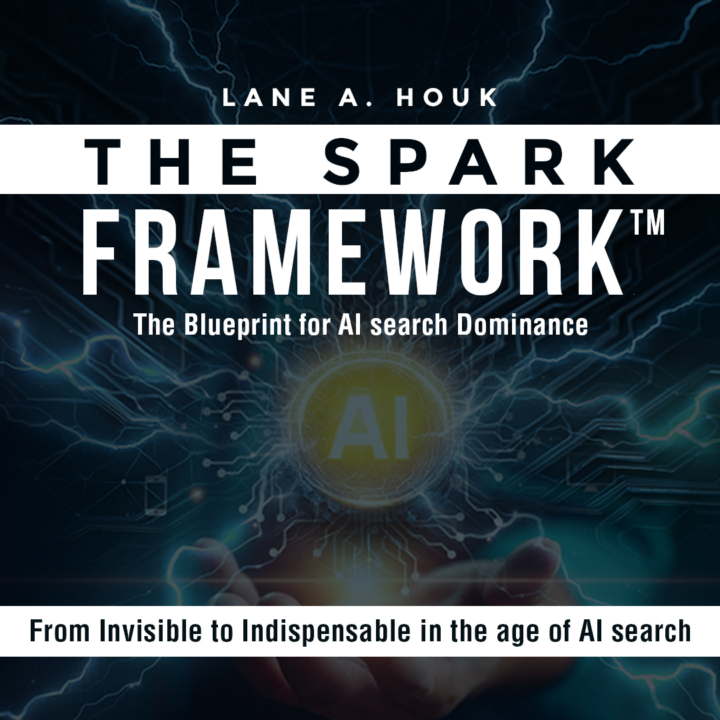
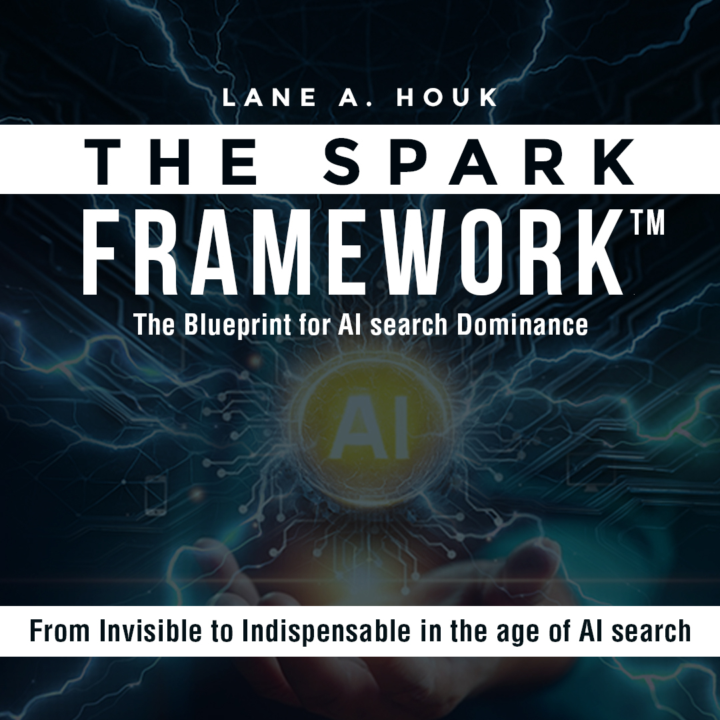
The SPARK Framework™ includes a comprehensive 12-month roadmap that breaks down implementation into manageable phases. This isn't about quick fixes; it's about building sustainable competitive advantage. Months 1-3 focus on foundation: entity building, technical optimization, and content audit. Months 4-6 shift to authority building across platforms and structured data implementation. Months 7-9 emphasize content expansion and answer optimization. Months 10-12 focus on measurement, refinement, and scaling. This phased approach ensures you're not overwhelmed and that each stage builds on the previous one. By month 12, you should have a robust AI search presence that compounds over time. Question for the community: For those implementing AI search strategies, what phase are you currently in, and what's been your biggest challenge so far?
0
0
8d •
The 48-Hour Emergency Protocol Explained
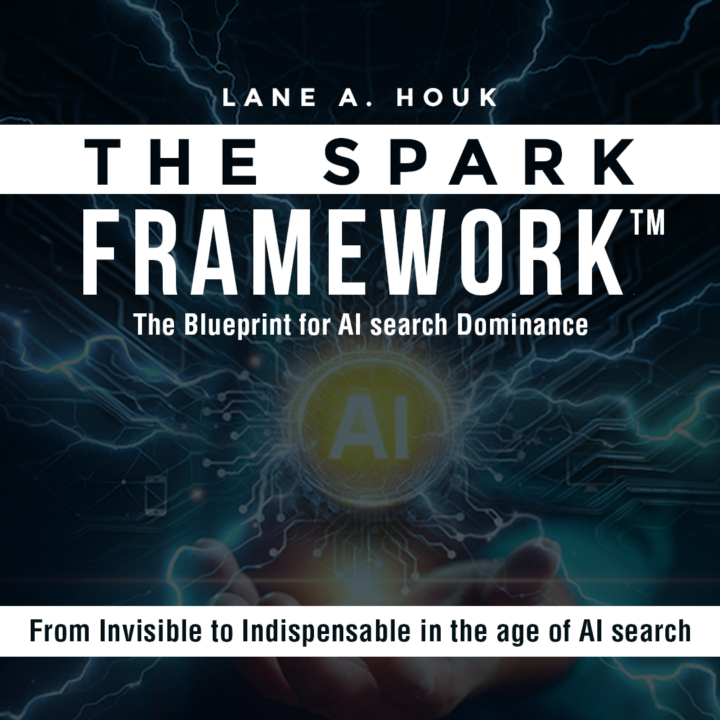
One of the most valuable components of the SPARK Framework™ is the 48-Hour Emergency Protocol. This is designed for businesses that need immediate improvements in AI citation potential. The protocol focuses on rapid-deployment strategies: optimizing your most visible pages with structured data, ensuring your brand entity is clearly defined, fixing critical technical issues that prevent AI crawling, and creating answer-ready content for your most important queries. While the full framework is a 12-month journey, the emergency protocol can deliver measurable improvements within days. It's about prioritizing the highest-impact changes first. Question for the community: If you had to improve AI search visibility in 48 hours, what would be your first three actions?
0
0
12d •
The Five Pillars That Define AI Search Success
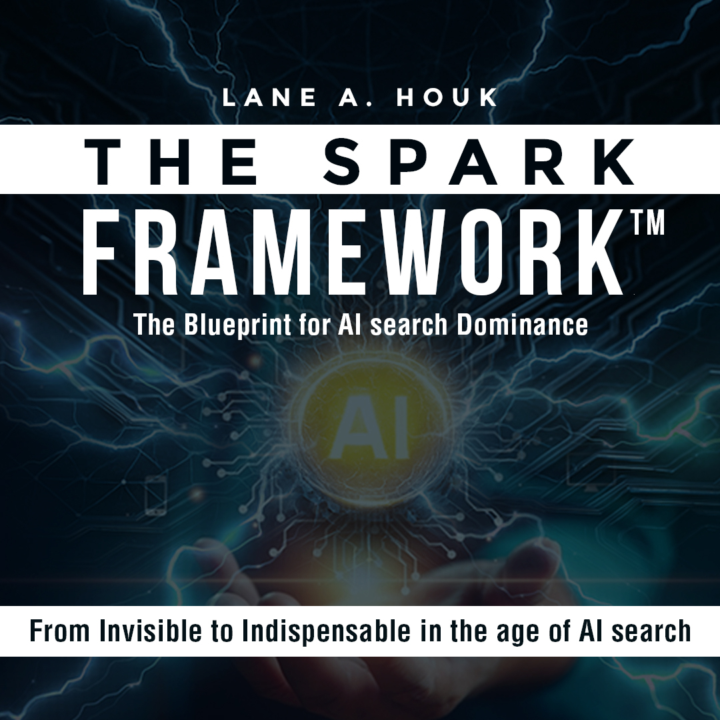
The SPARK Framework™ breaks down AI search optimization into five interconnected pillars. Understanding how these work together is critical for implementation success. Semantic Optimization ensures your content speaks the language AI models understand. Platform Authority builds your credibility across multiple touchpoints. Answer Readiness structures your content for direct synthesis. Relevance Signals help AI systems understand your topical expertise. Knowledge Integration connects your content to the broader knowledge graph. Each pillar reinforces the others. When you optimize semantically but lack platform authority, AI systems may understand your content but not trust it enough to cite it. The framework is designed to address all dimensions simultaneously. Question for the community: Which of these five pillars do you think presents the biggest challenge for most businesses, and why?
0
0
15d •
Beyond Clicks: Are Your SEO Metrics Becoming Obsolete?
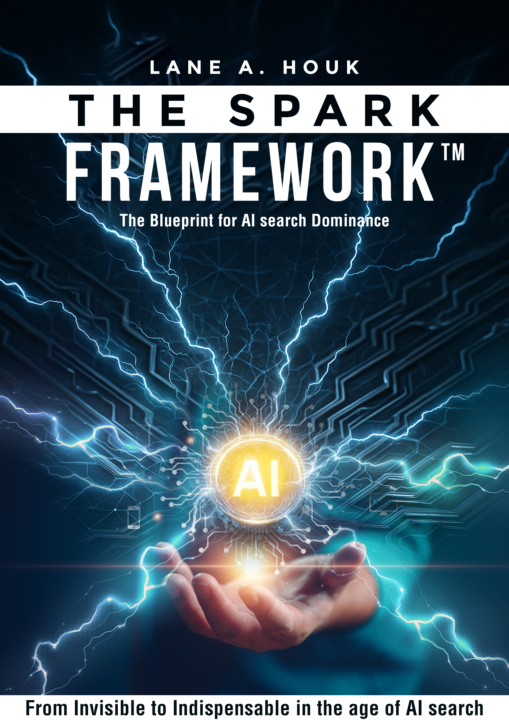
As SEO professionals, we're witnessing a fundamental shift. While we've mastered tracking clicks and rankings, AI Overviews and direct answers from platforms like ChatGPT are changing the game. Our clients' content is being used, but the value isn't always captured in our traditional analytics. This isn't just about adapting; it's about evolving our strategy. The SPARK Framework™ was developed for this exact challenge. It provides a structured methodology to move from a keyword-centric approach to an entity-based one, focusing on becoming the citable authority that AI models trust. For example, the Answer Readiness pillar isn't just about FAQs; it's about structuring data so effectively that AI systems can directly synthesize it into answers, positioning your brand as the source. Question for the community: How are you adapting your client reporting to demonstrate value when success is a citation in an AI answer, not just a click-through?
0
0
Jan 13 •
Measuring Success in AI Search
Traditional SEO metrics like rankings and organic traffic are still important, but AI search requires new measurement approaches. The SPARK Framework™ emphasizes tracking AI citation frequency, brand mentions in AI responses, entity strength scores, and schema validation. Tools are emerging to help track these metrics, but you can also manually query AI platforms with your target keywords and document when and how your brand is mentioned. Over time, you should see increasing citation frequency and more prominent positioning in AI responses. The goal is to establish baseline metrics and track improvement over time as you implement the framework. Question for the community: What metrics are you using to measure AI search performance? What tools or methods are you finding most reliable?
0
0
1-30 of 121

skool.com/seo-success-academy
Welcome to SEO Success Academy – the ultimate destination for business owners, digital marketers and agencies to master the art and science of SEO.
Leaderboard (30-day)
1

+1
2

+1
Powered by