
Write something

1d •
Do you use AI for your hobby?
I'm curious what everyone here likes to do for fun (of course building stuff with Claude is fun too lol), and if you've applied any AI to your hobby. For me it's been super useful for DND planning and I find I get to stay in creative flow more. Curious what other people are doing

🚀
⭐
Mar 2 •
Who's here? Drop your intro.
Tell us three things: 1. What you do (job, industry, student, career-changer, whatever) 2. What brought you to Clief Notes 3. One thing you're trying to figure out right now related to computing or AI I'll respond to every single one. And read each other's intros too because the person who's stuck on the same problem as you might already be in this thread. I'll go first I am Jake, I have been working in tech for 15 Years, building with Generative AI for 3 Years straight now! Excited to teach and learn! That's it. Simple, scannable, gives you data on who's joining and what they need, and keeps the feed clear for content that retains people past week one.

2h •
I WAS BANNED
Long story short don't forget to remove your API key from your ENV variable in VS Code after running out of credits. I switched mid stream to another account and it continued working, but somehow it was still running on the API. The system looked at all the activity and decided I was a threat. Evidently they are really busy so it's going to take a while. Account Ban Appeal Form If you believe your account was wrongly disabled by our systems, please answer the following questions. Please Note: We are currently receiving higher than normal email volumes due to our recent launches; therefore, our response times will be slower than normal. We will be in touch as soon as we process your appeal.

3d •
🛑 Building Companies. 🟢 Intelligence Layers
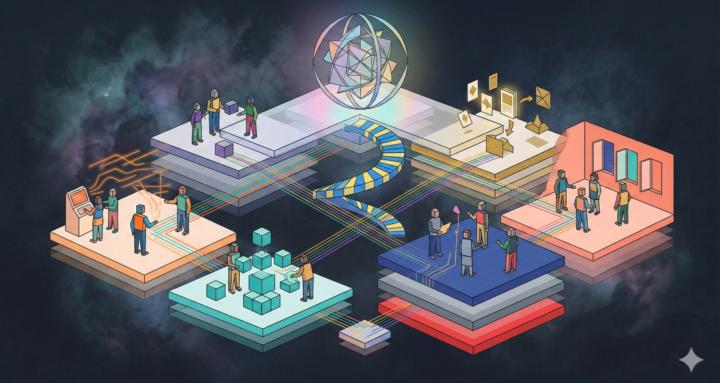
It's an intelligence layer. Most founders are still layering AI onto legacy org charts. Wonder why it's not clicking? You missed the structural shift. I broke down: closed-loop vs open-loop systems, the queryable org, the 10,000x engineer, and why middleware is dead. Not another productivity hack. It's a rebuild. Full breakdown → https://www.skool.com/quantum-quill-lyceum-1116/classroom/c7f102c7?md=453f2f9f67e549f5ba1a55a2afd25a42 #aiNative #startup #intelligenceLayer #noMoreMiddleware

9h •
Uh oh!
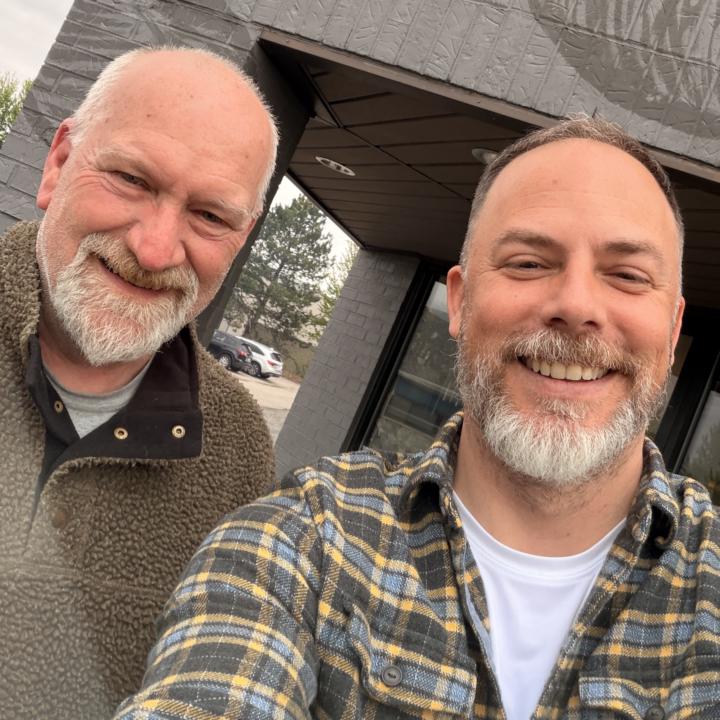
Well well well. Turns out my favorite troublemaker @David Vogel is only a hop skip and a jump away from me. We took this community to a new place…real life! Appreciate all of you! Continue reaching out and helping each other… who knows maybe we go live sometime.
1-30 of 416
skool.com/quantum-quill-lyceum-1116
Jake Van Clief, giving you the Cliff notes on the new AI age.
Leaderboard (30-day)
1
+750
2

+580
3

+466
4

+402
5

+389
Powered by