
Pinned

Jan 18 •
🗽 START HERE: How to join our Group Calls!
We built this community for people who want to connect, debate, and strategize, not just scroll. The real action happens in our group calls, where we argue ideas in good faith and tackle the week's biggest global events. Here is how you can participate: 🔥 1. Open Calls These are our public town halls. Open to everyone. Whether you want to take the stage to challenge a point or just listen in, this is the "public square." 💎2. Premium Calls For members who want to go deeper. These calls are exclusive to our supporters and offer a space for more focused discussion and priority access. 👑 3. VIP Calls Reserved for our top-tier members. These are intimate, mastermind-style sessions where you get direct Q&A access with special guests and deep dives into high-level strategy. - 📅 Check the Schedule & Join Here: https://www.skool.com/libertypolitics/calendar - 💎👑 Become a Premium or VIP Member: https://www.skool.com/libertypolitics/plans Heads up: We believe these conversations are worth sharing! Our group calls are recorded and may be posted to our social media channels. By joining the stage, you’re helping us bring these important discussions to a larger audience. By participating in group calls and voice discussions, you consent to being recorded. You can read our community rules here: https://www.skool.com/libertypolitics/-/rules Moderation decisions and bans by mods are made with Armin's approval. 👋 New to the group? Say hello! We want to get to know you. Drop a comment below to introduce yourself. Tell us where you're from and what you like to do for fun (outside arguing politics!). Welcome to the community!
1d •
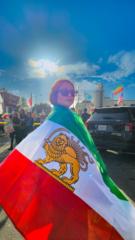
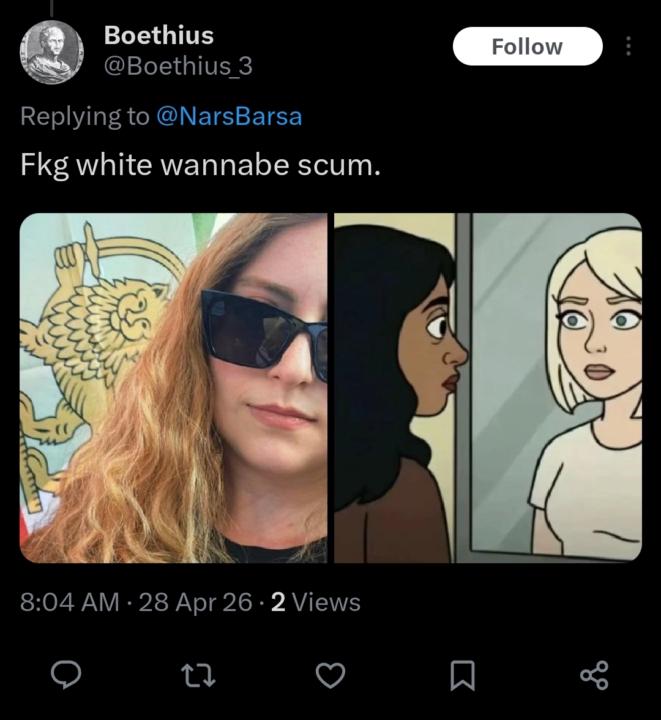
Why are they like this? 🫠🤣
The jihadis found me on X 😂 https://x.com/i/status/2048797900466270415


2h •
Sadiq Khan/BBC's Stealth Genocidal Narrative Today Against Jews
Dear Mr Navabi: G Ghamari missed (understandably...lots happening) an imp point in today's analysis of Sadiq Khan's react ro London attack. She is upset that he refers to ppl who "identify as Jewish". Why can't he call them "Jewish" or "Jews"? It's because this is part of the genocidal narrative of anti-semites. They (eg Tucker C/Candace O etc) deny existence of Jews as a ppl. That is a form of genocide...eliminate peoples. That "id as jewish" is part of the genocidal narrative. This is important and needs to be confronted strongly and face-on. Thanks. Blaise MacLean from Bogota
0
0

5h •
Fundamental shift: UAE leaves OPEC
I suspect the UAE will be trying to match the US instead of OPEC, because US petrol-industry costs notably more, so the preferred normative price of petrol for the US will generally fetch the UAE more revenue than trying to align with OPEC. This is good news for the US, since it gives them to more ability to buffer the decline of the USD. We might however see the contentions between the Saudis and UAE sharpen further, since their mutual interests that were aligned via OPEC, will no longer prevent them from diverging further. With UAE making moves like this, we should also not be surprised if they add more momentum behind their recognition of Somaliland. Either way, this is no tiny matter, and it's very likely we'll be seeing ripple effects as a direct result of the Emiratis choice to leave OPEC. The above are my from-the-hip takes. Wyatt at Defense Politics Asia (DPA) provides us with a leisurely synoptic coverage on this matter. https://www.youtube.com/watch?v=mYEkcLRVfIE
1-30 of 2,807
skool.com/libertypolitics
Talk politics with others who care, in live calls and community posts. Share your views, ask questions, or just listen in.
Leaderboard (30-day)
1
+306
2

+233
3

+182
4
+166
5

+141
Powered by