
Pinned

⭐
Nov 3 •
Welcome! Introduce yourself + share a pic
Let’s get to know each other! You can use this simple format: Hey, I’m from ____________. For fun, I like to ______________________. Here’s a pic of my myself or something I like.


2h •
Revolution is not a one-time event
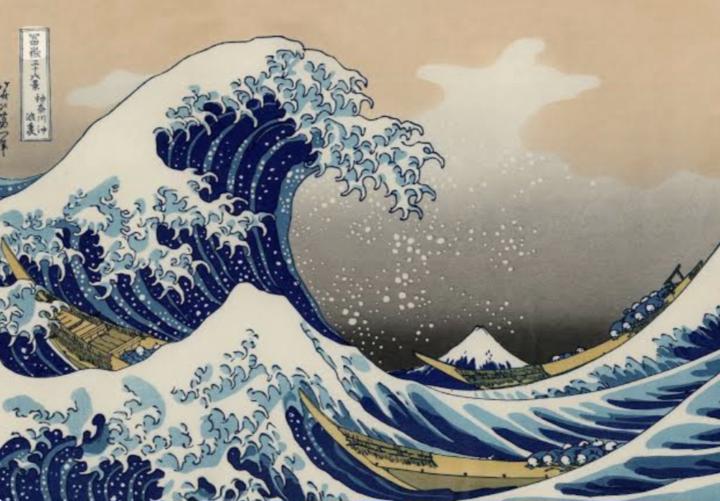
For a popular protest to succeed, it needs to be as overwhelming as the waves of a tsunami. For a popular protest to succeed, the hearts of the people need to be united so that they can be in a trance that allows for an almost telepathic sharing of goals. Choosing symbolic goals, of symbolic or physical occupation will enable the success of the revolution.

52m •
Iran collapse
Here is another link about the on going collapse of the extremely bad Islamic government of Iran. https://www.youtube.com/live/2Fj4TFQ_fTE?si=FiozFhPfqT6qKX6U
0
0
2h •
Iran is imploding
Israel did so much damage to Iran that now the great people are rising to clean it from the inside. Hallelujah. Armin, I want you to see this, in case you have not known yet. Your old beloved country will go back to being great. https://www.youtube.com/live/2Fj4TFQ_fTE?si=FiozFhPfqT6qKX6U
2h •
Swan Lake and the Fall of the Soviet Union
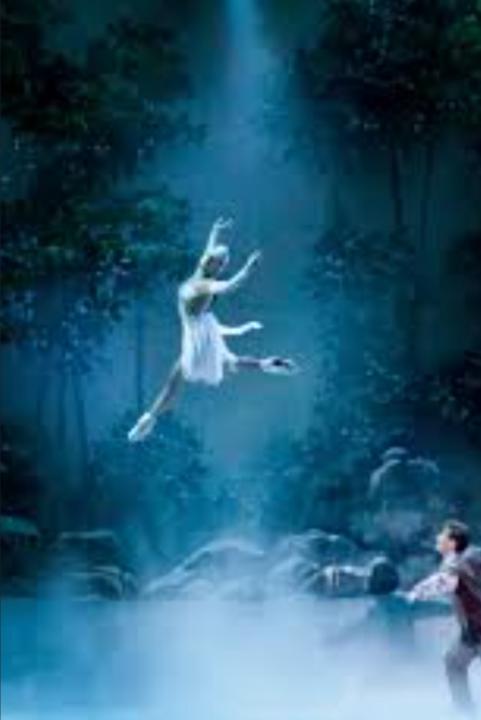
The connection between Tchaikovsky's ballet Swan Lake and the collapse of the Soviet Union is a unique historical anecdote rooted in Soviet state-controlled television practices. A Signal of Turmoil: In the final decade of the USSR, looped recordings of the ballet were broadcast across all television channels during periods of political instability, such as after the deaths of Soviet leaders Leonid Brezhnev (1982), Yuri Andropov (1984), and Konstantin Chernenko (1985). ז The 1991 Coup: On August 19, 1991, a group of Communist hardliners attempted a coup against President Mikhail Gorbachev. As tanks rolled into Moscow, state television programming was interrupted and replaced by an endless loop of Swan Lake for three days. Public Understanding: Soviet citizens instantly understood the meaning of the broadcast without any official announcement: the appearance of the swans on screen was a clear sign that a major, unannounced political event was occurring. A Symbol of Collapse: The coup attempt ultimately failed, accelerating the dissolution of the Soviet Union, which was formally dissolved in December 1991. The ballet thus became an enduring symbol of state control and the eventual collapse of the Soviet empire. Today, the image of the ballet is often used as a political statement or a meme in Russia to hint at potential future political changes or instability
1-30 of 759

skool.com/libertypolitics
Talk politics with others who care, in live calls and community posts. Share your views, ask questions, or just listen in.
Leaderboard (30-day)
1

+556
2
+370
3
+226
4

+181
5

+169
Powered by