Activity
Mon
Wed
Fri
Sun
Feb
Mar
Apr
May
Jun
Jul
Aug
Sep
Oct
Nov
Dec
Jan
What is this?
Less
More
Memberships
233 contributions to Liberty Politics Discussion

13h •
1 in 7 Muslims open to becoming Christian, Germany.
https://zenit.org/2026/01/06/1-in-7-muslims-open-to-becoming-christian-1-in-4-catholics-will-leave-the-church/
2
0

18h •
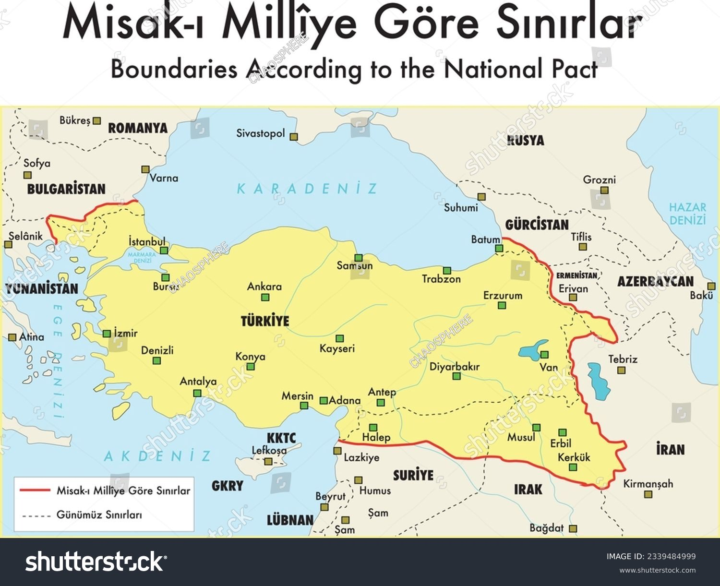
Jerusalem-Athens failing The Kurds
The passive silence (outright acquiescence) of the Jerusalem-Athens on Kurdish issue only compounds the danger: it enables hostile Turkey to expand its spheres of influence unchecked, consolidate regional dominance, and project power ever closer to borders and vital interests. By stripping the Kurds of their status as a regional actor and subordinating them to Erdogan's Neo-Ottoman project—whether through coercion, co-optation, or forced integration into Turkish-aligned structures—one directly manufactures a grave long-term strategic threat to both. https://x.com/TheophobosIV/status/2014305966141899077
1 like • 13h
@Alon Fenster I hold the same view.
1 like • 13h
@Alon Fenster I hold the same view.
18h •
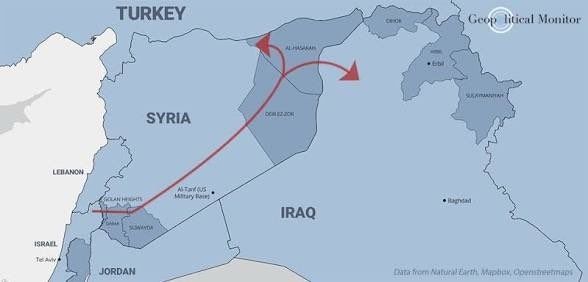
Israel-Kurdish-Druze Alliance
t's time for bold action in the Middle East! Imagine if Israel deployed its unmatched air power to shatter the siege at Kobane, pulverizing ISIS strongholds and opening a secure route for our brave Kurdish and Druze allies. Together, Israeli, Kurdish, and Druze ground forces can forge David's Corridor, a vital lifeline stretching from Israel through Druze heartlands into Rojava and Bashur. This isn't just about defense; it's about prosperity! Imagine oil pipelines flowing freely, boosting economies, securing energy independence, and building an unbreakable military alliance against terror. Kurds, Druze, and Israelis share a history of resilience, it’s time to make history again. #DavidsCorridor #IsraelKurdishDruzeAlliance #BreakTheSiege
1 like • 13h
@Sara Chana Mandell If Iran could be free, they could ally themselves with The Kurds to counter Turkey, Syria. Both are Iranic.
18h •
Gaza can turn into paradise.
Nuseir Yassin says, I am ashamed by this. The Palestinian cause should be ashamed. Its leaders have been offered a state, peace, and security multiple times over the last 70+ years. They rejected every time. In West Bank: leaders became corrupt. In Gaza: leaders became terrorists. Innocent Palestinians lost in both scenarios. So this is where we are today. Asking the world to build a new city for Palestinians. Because their leaders let them down. Everyone should fully support this plan. It is the last chance for millions of innocent Palestinians to have a decent life. @jaredkushner https://x.com/nasdaily/status/2014402006467973336

1 like • 13h
@Michelle Seaton Hamas will weaken in Gaza for now at least. Although future return is possible.
18h •
Archaeology
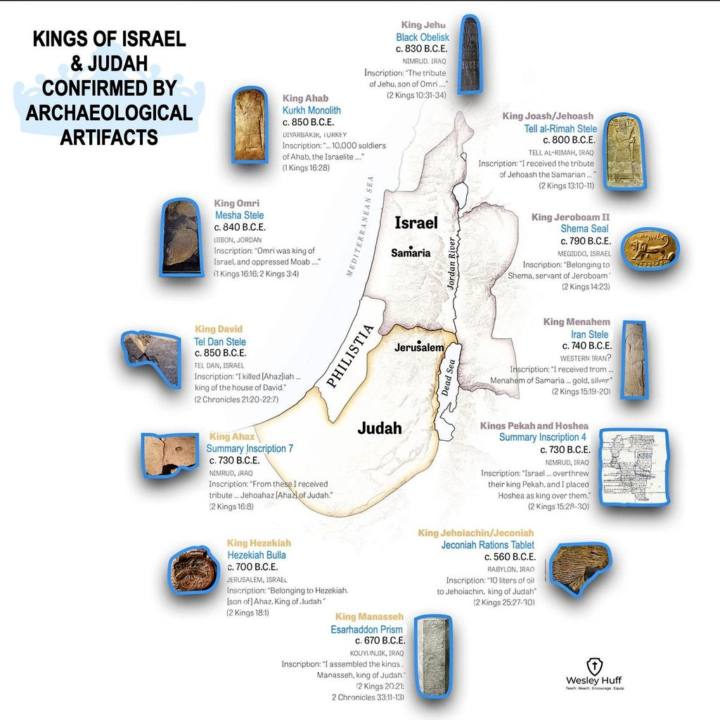
Daily archaeology 58# All of the kings of Israel & Judah that have been found in extra-biblical archaeological artifacts. https://x.com/DanitheSett/status/2014283369207504899
1-10 of 233

Active 13h ago
Joined Dec 6, 2025
Powered by