
Write something
Pinned

⭐
🔥
3d •
Brown Butter Peach Cobbler Cinnamon Rolls.
Let me tell you what that means. Pillowy dough, rolled soft and slow. Inside, peaches roasted down till they’re sweet and jammy, folded through with warm cinnamon. Brown butter running under all of it, nutty and deep, the kind of smell that pulls the whole house into the kitchen before you even call anybody. A brown butter cinnamon crumble baked crisp and golden across the top. Then ribbons of buttercream frosting drizzled over the warm rolls, settling down into every fold. And fresh peaches, scattered right on top, bright and juicy against all that spice. Peach cobbler and a cinnamon roll, together. A piece of Carolina summer you pull apart with your hands. I’m a Southern boy. Down here, peach cobbler is a staple and a delicacy both at once, and taking something I grew up on and folding it into a cinnamon roll we all know by heart, well, that’s my prerogative. That’s what we’re baking this week inside Crust & Crumb Academy. If your mouth is watering right now, good. That’s the whole point. Pull up a chair. ~Henry⭐️🔥

Pinned
⭐
🔥
4d •
🍑 This Week’s Bake: Brown Butter Peach Cobbler Cinnamon Rolls 🇺🇸
Well, we survived Croissant Week. 🥐👏 All that lamination, all those butter layers, all that patience. You all showed up and did the hard thing, and I couldn’t be prouder of the folds that came through this kitchen. Now it’s time to let summer all the way in. ☀️🍑 This week we’re baking Brown Butter Peach Cobbler Cinnamon Rolls, and this one’s personal. I’m a South Carolina boy. Down here in the Deep South, peach cobbler isn’t just dessert. It’s a staple and a delicacy both at once. It’s the thing that shows up at the church supper, the Sunday table, and the family reunion, and everybody’s grandmother swears hers is the best. That cobbler is in my bones. 🧡 So I did what I always end up doing. I took something I grew up loving and turned it into something we all already know by heart, the cinnamon roll. Peach cobbler on the inside. Pillowy roll on the outside. Brown butter running through the whole thing. And a streusel top that’ll have your house smelling like a Carolina summer. 🔥🍑 And I’ll be honest, this one came out of my daughter Payton. She’s always challenging me, always poking at me to take it one step further. Don’t play it safe, Dad. So here we are. Cobbler in a cinnamon roll. That’s a Payton bake if I ever made one. ⭐ No fresh peaches where you are yet? Don’t worry. Frozen and canned work great, and I’ll walk you through every swap this week so nobody gets left out. Here’s the recipe so you can look it over before Saturday: https://pantry.bakinggreatbread.com/recipes/brown-butter-peach-cobbler-cinnamon-rolls The sourdough version: https://pantry.bakinggreatbread.com/recipes/sourdough-brown-butter-peach-cobbler-cinnamon-rolls?utm_source=skool&utm_medium=community&utm_campaign=recipe-share We bake together Saturday morning. 🇺🇸🍑

Pinned
⭐
🔥
2d •
These aren’t your average cinnamon rolls.
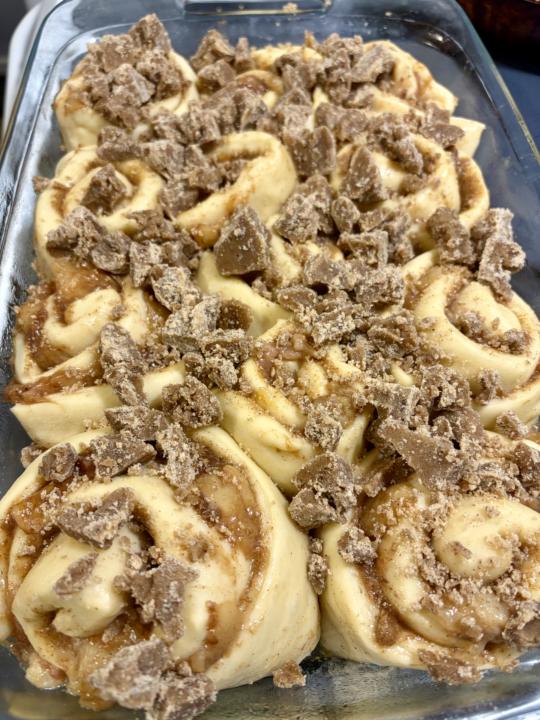
Today I want to walk you through these Brown Butter Peach Cobbler Cinnamon Rolls piece by piece, because I’ll be honest with you, this is not your average cinnamon roll. A regular cinnamon roll is butter, cinnamon, sugar, roll it up, done. These have a lot more going on. A roasted peach filling you cook down to a jam. A cinnamon smear. A frozen brown butter crumble. A low hydration dough. And a bake that takes some patience because of how juicy they are. More steps means more places to trip up, and more places to get it right. So today I’m breaking it into three parts and posting them through the day. Keep an eye out. Here’s what we’ll cover: 1. The Filling. What to use if you don’t have peaches, and how to cook it down to a proper jam so it doesn’t run. 2. The Build. The dough, the smear, the crumble, and how to roll all that up without a disaster. 3. The Bake and the Finish. How to arrange them in the pan, how to know they’re done, and how to dress them up at the end. Stay tuned. First one’s coming up. Perfection is not required. Progress is. Henry ⭐🔥
⭐
🔥
7h •
This just out of the oven
It turned out nicely, flaky crust, dry, bottom, and glazed it with the leftover buttercream from the cinnamon rolls. The recipe is up on the recipe pantry: https://pantry.bakinggreatbread.com/recipes/peach-strawberry-galette

⭐
🔥
11h •
The Peaches: However You Get There, Get There Dry
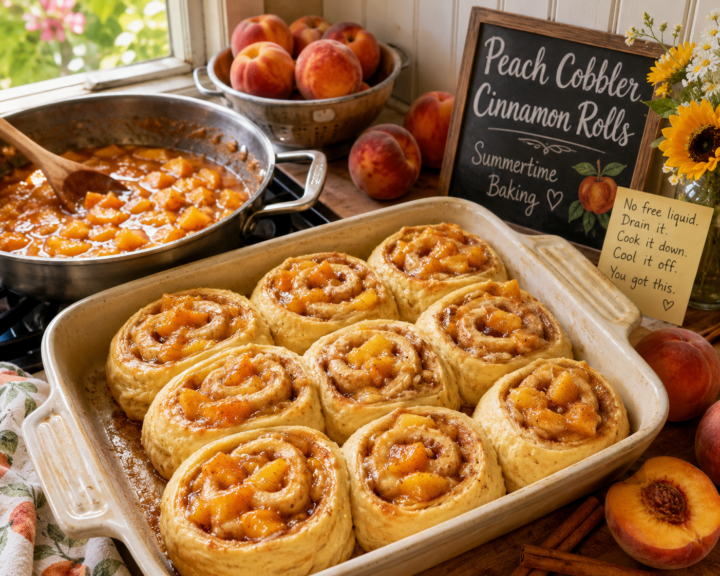
I’m seeing a lot of you nervous about roasting the peaches this week. Let me take that worry right off the table. Here’s the truth. Roasting is just one road. It is not the point. The point is getting your fruit down to a thick, jammy filling with no loose liquid in it. However you get there is fine by me. So yes, to answer the question a bunch of you are asking. You can do the whole thing in a pan on the stovetop. Here’s how. Toss your fruit with the sugar and spices, and mix your cornstarch into the sugar first so it spreads even and doesn’t clump. Put it all in a pan over medium heat and cook it down, stirring. It’ll be loose and cloudy at first. As it heats up and comes to a gentle simmer, the cornstarch does its job and the whole thing turns glossy and thick. Keep going until there’s no free liquid pooling in the pan. Tilt it. If juice runs, it isn’t done yet. One note on the cornstarch. It needs the heat to thicken, so let it come to a simmer. But once it’s thick and glossy, pull it. Boiling it hard for a long time can actually thin it back out. Thick and glossy, then stop. It firms up even more as it cools. Now, whatever fruit you’re working with: 🍑 Fresh peaches. Cook them down and reduce the juice they let off until it’s thick. 🍑 Frozen peaches. Thaw and drain them well first, because they carry a lot of water. Then cook down like fresh, and give it a little extra time. 🍑 Canned peaches. Drain them hard and pat them dry. They’re already soft, so you’re mostly cooking off the extra moisture and setting the cornstarch. Shorter cook. 🍎 Apples. Firmer and less watery, and they hold their shape. Give them a few extra minutes to soften. A great one for the stovetop. 🍐 Pears. Same idea as apples, just softer, so keep an eye on them. 🫐 Berries. Real juicy. Use your full cornstarch and cook them down a bit longer to get there. And here’s the one rule that ties all of it together, no matter the fruit or the method. No free liquid. None. Drain the water, respect the water. That loose juice is the number one reason a filling leaks out the ends and a bottom goes soggy. Cook it down thick, let it cool all the way, and you’re set.
1-30 of 2,233
powered by
skool.com/crust-crumb-academy-7621
#1 Sourdough Community on Skool 🍞
Coaching, not judgment. Sourdough, starter, yeasted, enriched & every bread between.
✅ ProveWorth Certified ⭐⭐⭐⭐⭐
Suggested communities
Powered by