
Feb '25 • General Discussion 💬
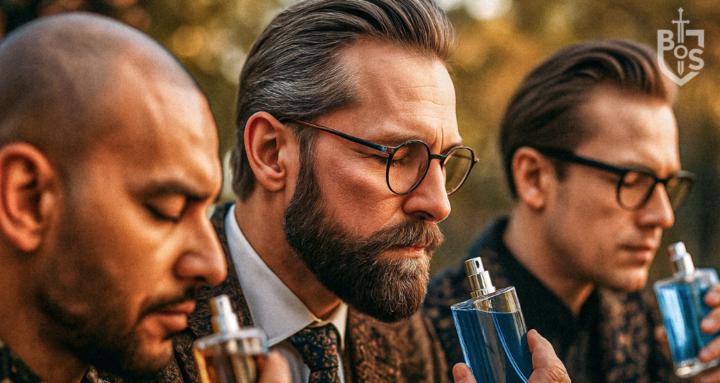
So, you want to make perfume?
Perfume is memory and presence. It’s a language without words. A feeling wrapped up in molecules. To create it, is to wield the invisible and something ephemeral, yet deeply personal. And so, if you’ve found yourself dreaming of starting your own fragrance brand, ask yourself first: Do I want to own a perfume brand, or do I want to be a perfumer?
Because these are two entirely different roads.
The first road is the path of commerce. This is where most brands—from celebrity, influencer, and indie niche—find their footing. You will partner with a private-label manufacturer, like Belle Fleur New York, and they can handle the heavy lifting. Their master perfumers craft the scents you request (and refine it to your liking), their designers curate your bottles and packaging, their regulatory teams ensure compliance. You sign off on a product, and it becomes yours. This is the road of marketing, of storytelling, of business. And it is a valid path.
But the second road is the road of the perfumer. It is something else entirely.
It’s not glamorous. It’s long hours hunched over beakers and scales, chasing the ghosts of scents that only exist in your mind. It is learning the alchemy of raw materials, where a single miscalculated drop can turn brilliance into disaster. It is understanding that every fragrance is built on a razor’s edge of precision, where some materials exist at only 0.01% yet hold the formula together like the final brushstroke on a masterpiece.
You could take a shortcut. There are formulas floating in the ether. Some carefully reconstructed dupes of popular greats. You could follow those, pouring and mixing like a bartender with a set recipe. But that is not the perfumery I’m talking about. That is replication. If you want to create something that lives and breathes, something that whispers a story on the skin, you must learn why materials behave as they do. You must become a student of scent, of chemistry, and of structure. Because perfumery is not simply blending; it is architecture, geometry, and poetry in equal measure.
And then there is the hunt.
A perfumer doesn’t simply work with what’s handed to them. They seek. They source their own materials, traveling through supplier lists, negotiating with distillers, or, for the fortunate, setting foot on the very soil that grows their future scents. Vietnamese oud, deep and animalic. Haitian vetiver, dry and earthy. Italian citrus, bright and golden as the morning sun spilling over a Tuscan hillside. These materials are not just notes in a composition; they are the soul of the scent itself.
And a soul demands vision.
If you want to be a perfumer, you must have a vision beyond “smelling nice.” You have to learn to sculpt scent the way an artist wields color, the way a composer hears a symphony before the first note is played. It is not about making perfume. It’s about creating perfume. Telling a story that lingers on the skin long after the first impression fades.
This road is not easy, but for those who walk it, it’s a road worth taking.
As Miche Whitehouse, Regional Retail Manager for Lush, once said “Just as music is art for the ear and painting is art for the eye, perfume is art for the nose.”
52
52 comments
So, you want to make perfume?
skool.com/bos
#1 Fragrance Community 🏆
Our mission is to help YOU leverage the power of scent to become the man you know yourself to be.
Leaderboard (30-day)
1

🔥
+8612
2
🔥
+7943
3

🔥
+7535
4
🔥
+7522
5

🔥
+7328
Powered by