Activity
Mon
Wed
Fri
Sun
May
Jun
Jul
Aug
Sep
Oct
Nov
Dec
Jan
Feb
Mar
Apr
What is this?
Less
More
Memberships
The School of Thyme & Wisdom
118 members • $20/m
20 contributions to The School of Thyme & Wisdom

Jan 29 •
New Hoop House!
We got the first hoop house up and I am so excited! I have seeds starting so this space will be used shortly 😃


1 like • Jan 30
🤗🥰 How wonderful!!!
Sep '25 •
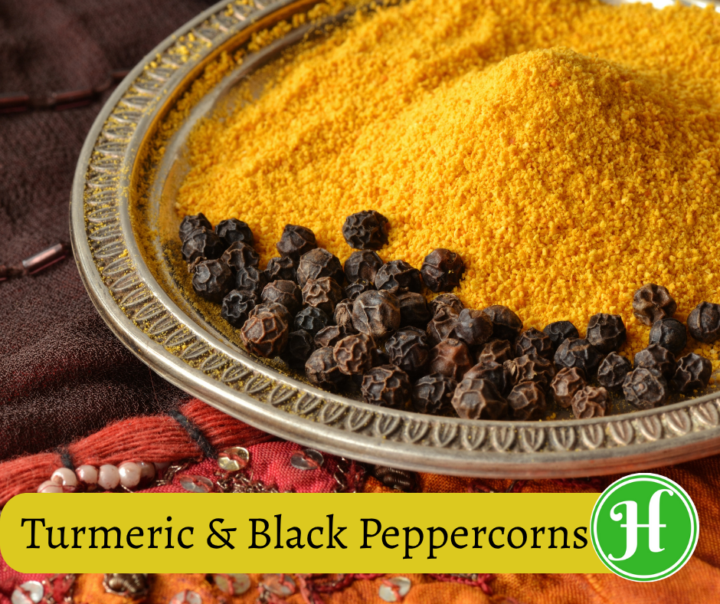
Turmeric & Black Peppercorns- Reduce Inflammation
Inflammation is a huge factor in joint pain, disease, and over-all decline. These two herbs work well in combination because they are used by the body better when both are present. 🌿 Turmeric (Curcuma longa) - Key compound: Curcumin - Actions: Anti-inflammatory, antioxidant, liver-supportive, antimicrobial - Traditional use: In Ayurveda and Traditional Chinese Medicine (TCM), turmeric is used to “move the blood,” reduce pain, support digestion, and ease inflammatory conditions like arthritis. - Modern research: Shows curcumin helps downregulate inflammatory pathways such as NF-κB and COX-2, reducing chronic inflammation linked to arthritis, cardiovascular disease, and even neurodegenerative issues. 🌿 Black Pepper (Piper nigrum) - Key compound: Piperine - Actions: Digestive stimulant, anti-inflammatory, antioxidant, bioavailability enhancer - Traditional use: Used in Ayurveda to kindle digestive fire (agni), improve nutrient absorption, and relieve respiratory congestion. - Modern research: Piperine reduces liver and intestinal metabolism of curcumin, keeping it in circulation longer and at higher levels. 🌟 Why They Work Better Together - Curcumin from turmeric is powerful but poorly absorbed on its own. - Piperine from black pepper increases curcumin absorption by up to 2000%. - Together, they make a potent anti-inflammatory duo that can help with: 🍵 Ways to Use Them - Golden Milk: Warm milk (dairy or plant-based) with turmeric, black pepper, and a touch of honey or cinnamon. - Curry & Soups: A traditional and tasty way to combine them. - Capsules: Available as supplements, but look for ones standardized with piperine. - Herbal Tea: Simmer turmeric root slices with ginger, then add a pinch of black pepper. - Tincture: combine turmeric root slices and peppercorns in alcohol or vinegar
2 likes • Oct '25
I have never thought about making my own tincture with turmeric root and peppercorns!
Oct '25 •
Goldenrod
It’s that time of the year! Goldenrod is making its appearance 😀 Goldenrod: A Powerful Herb with Healing Benefits Goldenrod (Solidago spp.) is a vibrant yellow flowering plant often associated with late summer and early autumn fields. While sometimes mistaken as a cause of seasonal allergies (a reputation it doesn’t deserve—ragweed is the real culprit), goldenrod has a long history as a medicinal herb in traditional and folk medicine. Traditional Uses Historically, goldenrod has been used by Indigenous peoples and herbalists for a variety of ailments. Its most common applications include support for the urinary tract, treatment of wounds, and relief from inflammation. The plant contains compounds such as flavonoids, saponins, and essential oils that contribute to its therapeutic effects. Health Benefits - Diuretic: Goldenrod helps flush out the urinary system, making it useful for urinary tract infections (UTIs), kidney stones, and general detoxification. - Anti-inflammatory: The herb may reduce inflammation in the body, offering relief for sore throats, arthritis, or skin irritations. - Antimicrobial: Goldenrod’s antibacterial and antifungal properties support its traditional use in treating wounds and infections. - Allergy Support: Ironically, goldenrod may help ease allergy symptoms due to its antihistamine-like effects. How It’s Used Goldenrod is most commonly consumed as a tea, tincture, or capsule. The aerial parts of the plant (leaves and flowers) are harvested when in bloom and dried for later use. It can also be applied topically in salves for sore muscles or skin issues. Safety and Considerations Goldenrod is generally safe for most people when used appropriately. However, those with allergies to plants in the Asteraceae family (like ragweed or daisies) should proceed with caution. People with kidney conditions or those taking diuretics should consult a healthcare provider before using goldenrod. Final Thoughts Far from being a mere roadside weed, goldenrod is a powerful herbal ally with a rich tradition of healing. Whether you're sipping it as a tea or using it topically, goldenrod offers natural support for wellness, especially during seasonal transitions

1 like • Oct '25
I am one of those who used to confuse goldenrod and ragweed! 🫣
Oct '25 •
Basics of Blending Herbs
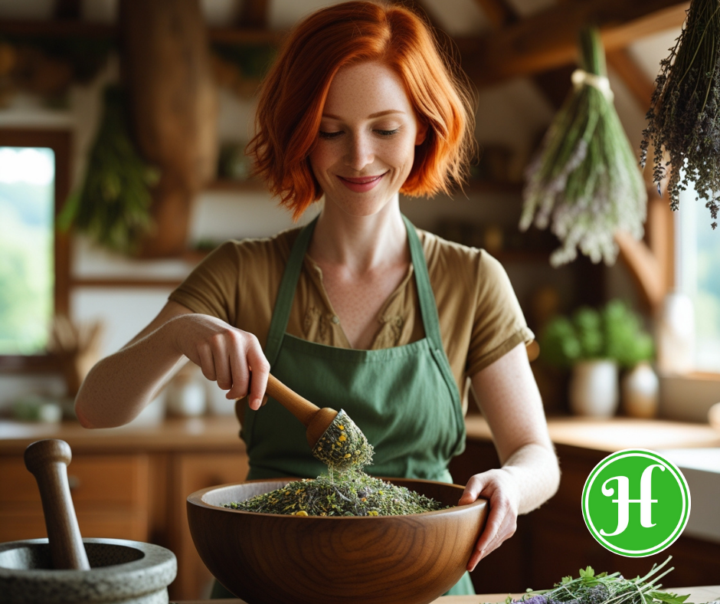
Since this category is dedicated to herb blends and pairings, I though it fitting to have a thorough post on blending herbs. Here you go- The Basics of Blending Herbs Herbal blending is both an art and a science. Whether you are creating a soothing tea, a culinary spice mix, or a healing salve, blending herbs thoughtfully ensures harmony of flavor, aroma, and effect. Beginners often find that a few guiding principles can transform their herbal creations from random mixtures into balanced, purposeful blends. 1. Understanding the Purpose of Your Blend The first step in blending is to define the goal. Are you seeking to support digestion, create a calming bedtime tea, or add complexity to a recipe? The purpose informs the types of herbs you select. For instance: - Medicinal blends may target specific systems (nervous, digestive, immune). - Culinary blends often balance flavor groups (savory, sweet, bitter, pungent). - Aromatic blends like incense or potpourri rely on fragrance harmony. 2. Choosing a Base Herb Every blend needs an anchor. In tea blending, this is often called the foundation herb, typically making up 40–60% of the formula. Base herbs are usually mild in flavor and action, supporting and carrying the other herbs. Examples include: - Lemon balm (Melissa officinalis) – calming, lightly citrusy. - Chamomile (Matricaria chamomilla) – soothing, floral. - Nettle (Urtica dioica) – nutritive, earthy. 3. Adding Supporting Herbs Supporting herbs reinforce the purpose of the base. They may contribute similar properties, add synergy, or bring in secondary benefits. For example, a calming blend of lemon balm might be paired with passionflower to enhance relaxation. In culinary blends, rosemary may be supported by thyme or oregano to build depth. 4. Accent Herbs: Flavor and Focus Accent herbs are added in small amounts (5–20%) to provide distinction. They bring brightness, spice, or a strong medicinal action. Examples include: - Peppermint for cooling freshness. - Ginger for warmth and improved circulation. - Lavender for aromatic, calming notes.
1 like • Oct '25
I love learning about the ratios of the base, supporting and accent herbs to guide in composing a tea!
Oct '25 •
Bitters- Sparking That Fire Week 2 Gut
Wow, I had no idea how important bitters were! Bitters are a class of herbs that stimulate digestion, bile production, and improve absorption of nutrients. Check out the video and the handouts!

1 like • Oct '25
Had to come back and watch since I was traveling! Great knowledge on introducing the bitters!
1-10 of 20

@tina-rainwater-3647
I consider myself a candle and soap maker. Aspiring to be an herbalist.
Active 1h ago
Joined Nov 15, 2024
Powered by