

7d •
Pairing herbs in the garden
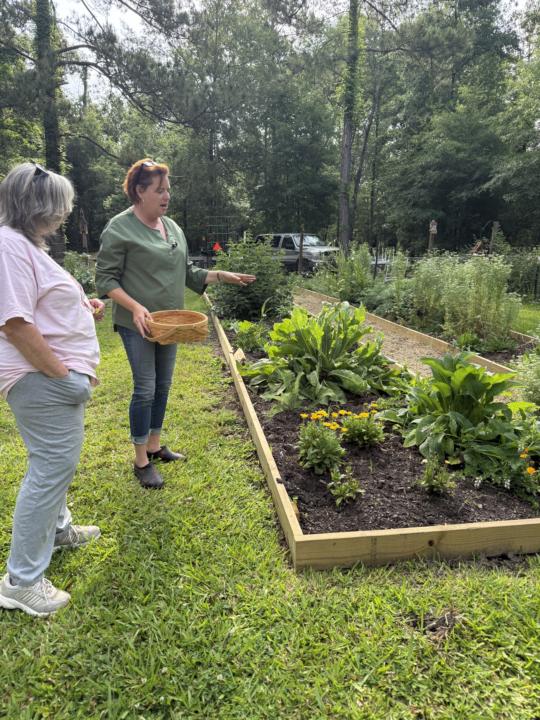
These herbs are grouped together based on function and based on the facts that they enjoy the same growing conditions. Comphrey, mullein, calendula, yarrow and dandelion are wonderful herbs for the skin and healing tissues. What herbs do you use for skin ailments?
3
0
14d •
A Blend for reducing inflammation and joint pain
Yucca Root, Turmeric, and Ginger- a powerful blend for treating inflammation and joint pain
1
0

14d •
It’s Tuesday tango- what are you blending?
As I get ready for a class on Saturday, I’m thinking about the iced tea I will serve- in wine glasses of course. I’m thinking lemon basil and grapefruit mint- what say you?
1
0

28d •
Sage Pairings
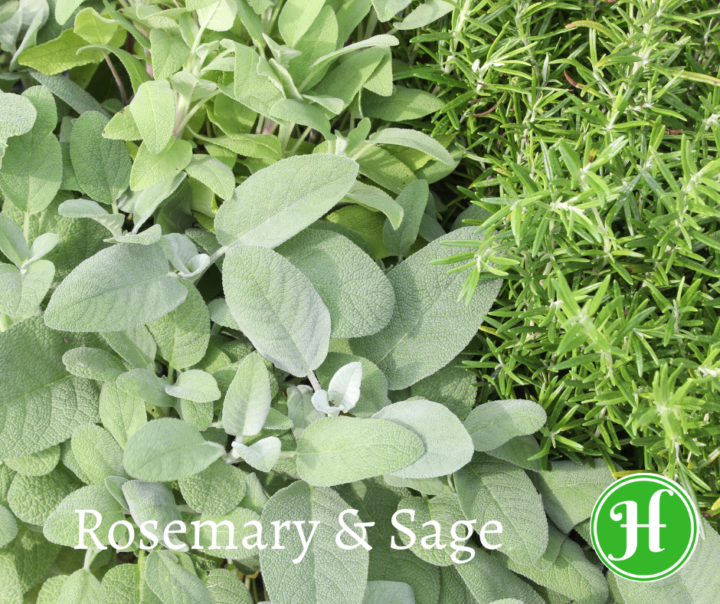
As I was thinking about sage in terms of pairings or combos, I couldn't really think of any herbs that sage wouldn't go with. As a Southerner, all of our most favorite comfort foods contain sage. Dressing, Chicken and Dumplings, Meatloaf and more. I am also a big fan of sage butter on my steak! What about you? Do you have a particular sage combo you like?
2
0
Feb 3 •
What’s a favorite herb combo?
I am a big fan of Valerian root and hops. I use them in tinctures and teas to relax muscles and help with sleep. What do you like to put together?

1-11 of 11
skool.com/gardenapothecary
Practical Herbalism & Garden Apothecary Skills- guaranteed to teach how to grow and use herbs medicinally for both you and your pets & livestock.
Leaderboard (30-day)
1

+7
2

+2
3

+1
4

+1
Powered by