Activity
Mon
Wed
Fri
Sun
Apr
May
Jun
Jul
Aug
Sep
Oct
Nov
Dec
Jan
Feb
Mar
What is this?
Less
More
Memberships
Mind and Body Solutions
257 members • Free
3 contributions to Mind and Body Solutions

Jan 21 •
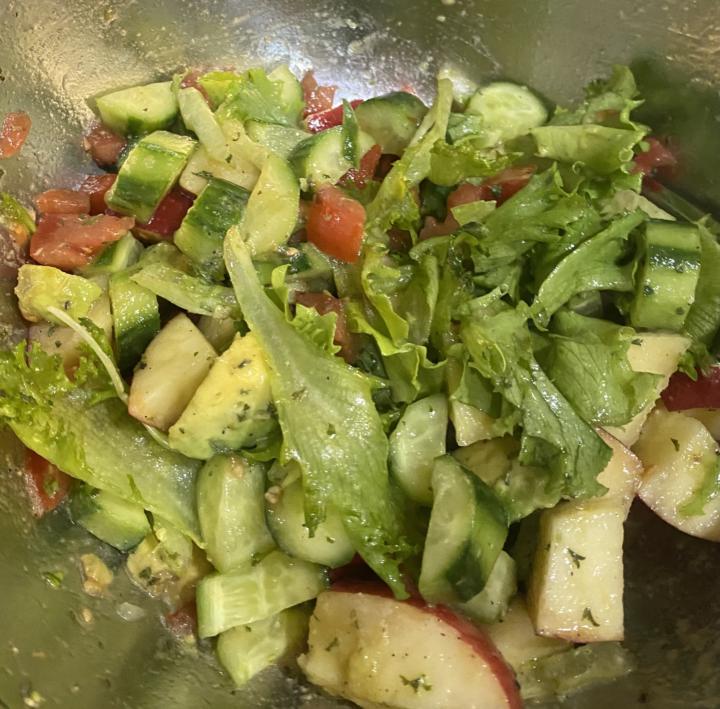
Multiple one ingredient salad
I combined all organic one ingredient items to make this refreshing tasting salad. It’s consist of a handful of healthy greens, 3 mini cucumbers, 1/2 avocado, 1/2 tomato, and whole gala apple diced. The dressing is the juice of 1/2 lemon, olive oil, and a splash apple cider vinegar. All organic ingredients I crave this and make it several times a week. Enjoy!

1 like • Jan 28
Thank you for sharing!

Dec '25 •
Merry Christmas!
May the peace and joy of the first Christmas fill your heart and home today!
1 like • Dec '25
Merry Christmas to all!
Dec '25 •
The pros and cons of the most popular sugar substitutes (part 3)
#9: Monk fruit Similar to stevia, monk fruit extract is 250 times sweeter than sugar, contains zero calories, and is powered by antioxidant compounds called mogrosides. Monk fruit has been deemed safe by the FDA, but stevia has a bit more data behind it. Both are good low-carb sweeteners. Verdict: Monk fruit is a great alternative sweeter to sugar. #10: Allulose Last but not least, we come to allulose. Of all the low-carb sweeteners, allulose is probably the most similar to sugar in taste and texture. It even browns. Found in figs and jackfruit, allulose is technically a sugar, but it’s not metabolized like sugar. Most of it gets excreted through urine, which is why it’s non-caloric. When taken with carbs, allulose has been shown to reduce the resulting blood sugar spike by an average of 10%. And one small study also found that allulose increased fat burning. Allulose is relatively new to the commercial market, receiving FDA GRAS (Generally Recognized As Safe) status in 2020. While initial research is promising, long-term human studies are still limited. Most people tolerate it well, though some report mild digestive effects at higher doses. Verdict: If you’re looking to replace sugar (in recipes or otherwise), using allulose is a decent way to accomplish that goal. #11: Erythritol These last two are sugar alcohols — which, by the way, are neither sugar nor alcohol. They’re carbs that aren’t digested or metabolized, similar to fiber. Sugar alcohols’ primary downside is the potential to upset your stomach. Nausea, laxation, gas, and bloating are possible, so keep an ear out for your grumbling stomach. Erythritol is a sugar alcohol produced by yeast fermentation. It’s about 70% as sweet as sugar, has a cooling aftertaste, and features a glycemic index of zero. When you consume erythritol, about 90% is excreted intact through urine. That’s why it doesn’t affect blood sugar or insulin levels, making it keto-approved. It also has antioxidant properties and interestingly, it’s been shown to improve blood vessel function in a small group of type 2 diabetics. That said, recent literature indicates that erythritol may not be heart healthy.
1 like • Dec '25
What about Date sugar? How would you compare it to this list?
1-3 of 3

@samantha-reid-9135
Just a woman living life and trying to stay healthy along the way.
Active 1d ago
Joined Oct 29, 2025
Powered by