Activity
Mon
Wed
Fri
Sun
Oct
Nov
Dec
Jan
Feb
Mar
Apr
May
Jun
Jul
Aug
Sep
What is this?
Less
More
Owned by Nikhil
We use real evidence — not hype — to take every step possible to prevent strokes and live longer, healthier, happier lives.
For helfy clinicians or soon to be clinicians only. A place to meet, support one another and get your questions about working with helfy answered.
LinkedIn For Breakfast
6.5k members • Free
Reclaiming Life After Stroke
15 members • Free
Stealth Founders Club
1.5k members • $20/month
Mobility Toolkit
32.1k members • Free
Community Builders - Free
12.5k members • Free
Longevity Lab
797 members • Free
Longevity & Sleep
879 members • Free
The Stronger Human Movement
28.1k members • $7/month
Skoolers
159.4k members • Free
172 contributions to Stroke-Proof

3d •
Stroke prevention group meeting on Wednesday
Hi everybody, we have our first Aintree hospital stroke prevention patient education session on Wednesday at 1:00 p.m. We've invited people who've had a stroke at the point of being discharged from hospital. This is our first attempt and we haven't had many responses so there are still a few slots in that meeting. If anybody here is interested in joining us either for their own learning or to help by giving us feedback on how we can improve the sessions, you'd be very welcome. Please let me know and we can give you further details.
5d •
Home BP monitoring form
Good evening. Please find attached below the home BP monitoring form that Maggie mentioned in our meeting in Sunday I have also attached it in the Classroom section in the Home Blood Pressure Monitoring section. I will also soon upload Prof Chatterjee's guide to blood glucose but am having a few issues with uploading the file today.
2
0
9d •
Monthly prevention catch up
Happy Saturday everybody! Just a quick reminder that we have our monthly prevention catch up tomorrow at 6pm. Link in the calendar section of the website. A chance for us to catch up, see how everybody's getting on and talk about what we're going to do this month to reduce our stroke risk. Feel free to bring your blood pressure monitors along and share your latest blood pressure too!
0 likes • 8d
That sounds wonderful. I hope you are enjoying it. If you visit the Lego museum let me know if it's any good! I think I may need to take my kids there soon.
0 likes • 5d
@Alex McCann Sounds amazing. It's on our family bucket list now!
Aug '25 •
Welcome
👋 Welcome to the Stroke-Proof Community! We’re building something special here — a movement to prevent 1 million strokes. To make this a safe, supportive, and inspiring place, we ask every member to live by this simple pledge: 🫶 Our Community Pledge ✔️ Respect first — we’re survivors, families, doctors, and prevention-minded people. Everyone’s story matters. ✔️Engage with with group. This isn't about one doctor lecturing a group. We all have important information and experience to share. ✔️ Evidence over hype — we share strategies backed by science, not fads or fear. To help others tell the difference we cite our sources, even if the source is just personal experience. ✔️ No diagnoses or prescriptions — support each other, but leave medical decisions to your own doctor or message me for a private consultation. ✔️ Protect privacy — what’s shared here, stays here. ✔️ No spam — we’re here to help, not hustle. ✔️ Stay positive & constructive — we’re here to build each other up and take real action. ✔️ Share the message - If you think this group has the potential to help you or others to avoid having a stroke, please share a link to others to join us.
0 likes • 15d
Welcome Alex, it's go good to have you join us. Great to have you on board.
1 like • 5d
Hello Ann and welcome. Great that you are proactively managing your stroke risks and we are here with you every step of the way. It's tricky re: the beta blockers. Assuming you absolutely need them to manage your heart rhythm it may be a case of hoping you can gradually build back your running tolerance despite being on them. However, I would definitely recommend booking an appointment with a doctor to discuss whether you might be in a position to reduce your dose or try a different approach to control your heart rate. Some people who have severe side effects with beta blockers even go on to have surgery to better control their heart rate, but of course this is more extreme and needs a cardiologist to be involved first. Looking forward ot seeing you in a future group catch up.
8d •
Blood sugar series episode 3
Good morning. Today I'm attaching the third instalment of Prof Chatterjee's series on blood sugar management. II actually thought I had posted this the week before last, so to catch us up I'm going to post part 3 today and part 4 on Wednesday. I will then add the whole 8 part series into the classroom section of Stroke-Proof for you to review at your leisure.
4
0
1-10 of 172
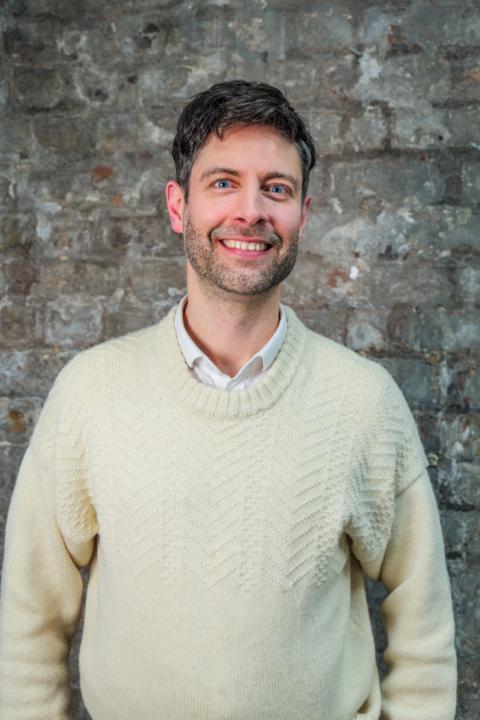
@nikhil-sharma-3276
I'm on a mission to prevent a million strokes and create 100 million years of health by teaching the principles of evidence based Longevity medicine.
Active 36m ago
Joined Aug 19, 2025
United Kingdom