Activity
Mon
Wed
Fri
Sun
Feb
Mar
Apr
May
Jun
Jul
Aug
Sep
Oct
Nov
Dec
What is this?
Less
More
Memberships
Peptide Price
8.2k members • Free
55 contributions to Peptide Price

1 like • 5h
@Pedro Z I have not researched with any of their products however if it’s listed here it is considered by this community recommended. I would recommend Ion peptides and EZ peptides both have delivered on all levels.

🔥
1d •
Can't Sleep on Tirz or Reta? Try This Simple Fix 😴
If you're struggling with sleep quality while researching GLP-1s like tirzepatide or retatrutide, here's something that helped me and many others: Push your last meal 3-4 hours before bedtime. Why This Works (The Science Made Simple) GLP-1 receptor agonists work partly by slowing down gastric emptying - basically, your stomach takes longer to process and move food into your intestines. This is actually one of the mechanisms that helps with satiety and weight management. But here's the problem: when you eat close to bedtime while on these peptides, your digestive system is still working overtime while you're trying to sleep. Your body is: - Actively digesting food (which requires energy and blood flow) - Dealing with potential acid reflux from food sitting in your stomach longer - Experiencing blood sugar fluctuations as nutrients slowly absorb - Staying in a more "active" metabolic state instead of rest mode All of this can seriously impact your deep sleep - the restorative stage where your body does most of its repair work and growth hormone release happens. The Fix Stop eating 3-4 hours before bed. Give your stomach time to empty and your body time to shift into proper rest mode. You'll likely notice: - Falling asleep faster - Better deep sleep quality (check your sleep tracker if you have one) - Less middle-of-the-night wake-ups - Reduced morning grogginess This one simple timing adjustment has been a game-changer for sleep quality while researching these compounds. Your body will thank you. Anyone else notice improved sleep with earlier last meals? Drop your experience below 👇

1 like • 1d
@Deborah Brown I’m right there with you and it’s been that way for along time!
🔥
2d •
How 5-Amino-1MQ Actually Works: The Metabolic Brake Release 🔓
Quick breakdown of what 5-Amino-1MQ does in your cells and why it matters for fat loss and metabolism. We talked about NAD+ yesterday, full substack post here: How NAD+ Actually Works What 5-Amino-1MQ Does (The Simple Version) 5-Amino-1MQ is a molecule that blocks an enzyme called NNMT (Nicotinamide N-Methyltransferase). Think of NNMT as a metabolic brake that: - Destroys NAD+ building blocks - Slows down your metabolism - Promotes fat storage - Gets MORE active as you gain weight 5-Amino-1MQ removes that brake. Understanding NNMT (The Problem) NNMT does three harmful things: 1. Wastes NAD+ Precursors - Takes nicotinamide (NAD+ building block) - Adds a methyl group to it - Creates 1-MNA (useless molecule) - You literally pee out your NAD+ potential 2. Steals Methyl Groups - Uses SAMe (critical for DNA, neurotransmitters, detox) - Depletes this essential resource - Impairs cellular function 3. Slows Metabolism - High NNMT = reduced fat burning - Decreases thermogenesis (heat production) - Promotes fat storage mode - Makes weight loss harder The cruel cycle: Being overweight → More NNMT expression → Harder to lose weight → More weight gain → Even more NNMT How 5-Amino-1MQ Works STEP 1: Blocks NNMT - 5-Amino-1MQ mimics nicotinamide structurally - Binds to NNMT's active site - NNMT can't destroy NAD+ precursors anymore STEP 2: Preserves NAD+ Production - Nicotinamide stays available - Gets recycled back into NAD+ - NAD+ levels increase (indirectly) STEP 3: Preserves Methyl Groups - SAMe isn't wasted on NNMT - Available for critical functions - Better gene expression and neurotransmitter production STEP 4: Metabolic Shift - Fat cells switch from storage to burning mode - Increased thermogenic gene expression - Enhanced mitochondrial function in fat tissue - Body prefers burning fat for energy

0 likes • 2d
And is that an IM injection

6d •
Valor Peptides help
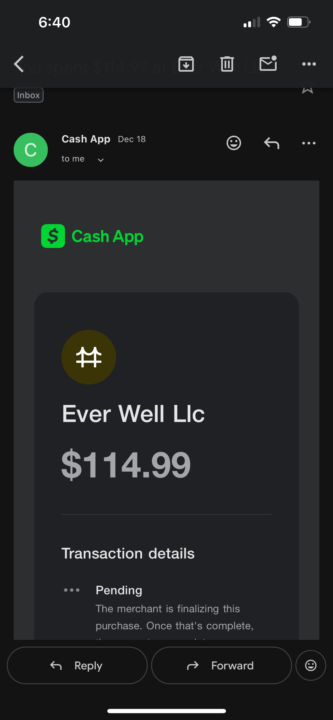
So my bf bought Reta on 12/18/25. He was iffy about the link to pay. So he emailed me the link and sent me the money. On the everwell site. I used my email and my billing info. We haven’t received emails on his or mine. I’ve since ordered from valor peptides and it’s giving me multiple emails. He has emailed Valor. Thank you!! Update: they got back to my bf and overnighted the Reta! Thank you valor peptides!
1 like • 4d
@Tracey Cincinelli me as well and my order never arrived
0 likes • 3d
@Kyle Valor Peptides thank you for responding the payment link thing had me a little concerned together with no info on the tracking number sent after I finally completed the payment. Looking forward to researching and supporting Valor!
0 likes • 5d
I’m unable to add to my cart
1-10 of 55