Activity
Mon
Wed
Fri
Sun
Mar
Apr
May
Jun
Jul
Aug
Sep
Oct
Nov
Dec
Jan
Feb
What is this?
Less
More
Owned by J. Alexander
A community of Japanese language learners! Master hiragana and speak your first 50 sentences in just 10 lessons with fun, support and encouragement!
Memberships
🇦🇺 Skool IRL: Sydney
260 members • Free
The Storyteller's Path
299 members • Free
Australian Ancestors
16 members • Free
Skoolaroos
143 members • Free
The Language Bug
19 members • Free
Skoolers
189.9k members • Free
192 contributions to Japanese Language Learners

4h •
📝今週の日記(Weekly Diary)
✏️ Goal: Write a short diary entry in Japanese 🗒️ Mini-lesson: Connecting actions in a story When we talk about our day or weekend in Japanese, we often connect actions using simple words like: そして — soshite — and / and then そのあと — sono ato — after that それから — sorekara — then / after that あとで — ato de — later These help your Japanese sound more natural and like a story. ✅ Beginner (with romaji + English) 週末、妻とさんぽをしました。 Shūmatsu, tsuma to sanpo o shimashita. On the weekend, I went for a walk with my wife. そして、カフェで朝ごはんを食べました。 Soshite, kafe de asagohan o tabemashita. And then we ate breakfast at a café. とても楽しかったです。 Totemo tanoshikatta desu. It was very enjoyable. そのあと、バーに行きました。 Sono ato, bā ni ikimashita. After that, we went to a bar. バーでノートパソコンを使って仕事をしました。 Bā de nōto pasokon o tsukatte shigoto o shimashita. We worked on our laptops at the bar. ✅ N3 Version 週末、妻といっしょに散歩をしました。 そしてカフェで朝ごはんを食べ、ゆっくりした時間を過ごしました。 そのあとバーに行って、ノートパソコンで少し仕事をしました。 リラックスしながら作業ができて、充実した一日でした。 🫵 Your Turn Try writing 3–5 sentences about your weekend using connectors: そして そのあと それから あとで Example start: 週末、___をしました。そして___。 Keep it simple — storytelling Japanese gets easier with practice!
1
0


9h •
Hello everyone!
Nicole's my name, and I started learning Japanese around 2012. I'm here to improve my pronunciation and to be fluent this year.
0 likes • 4h
Nicole san, Youkoso!! Whst got you into Japanese? Have you ever been to Japan?

16h •
Welcome post
Hey I'm Yusuf, i'm 20, and i do sales Im excited to learn more and get to a conversational level !
0 likes • 10h
Yusuf san, Youkoso! Welcome!! What made you first interested in Japanese?
Sep '25 •
Welcome New Members to Japanese Language Learners!
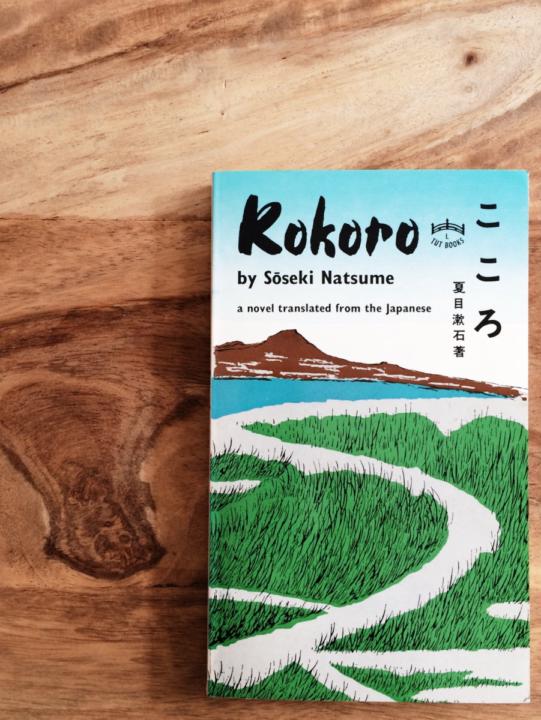
Introduce yourself and share a pic of something Japanese you own or something Japanese that you're interested in! Feel free to explain why you want to learn Japanese or what you like about Japan. Also, feel free to post any Japanese language questions you have. I'd be glad to answer them! As for me, I love learning Judo. Have you ever tried it? And I love Japanese literature, such as Kokoro by Natsume Soseki. Have you read any Japanese novels? I also really enjoyed Cowboy Bebop when it came out! Not the live action Netflix version! To start learning, I highly recommend Your 50 First Sentences Course: https://www.skool.com/japanese/classroom/fe1c2853?md=60ee3552d26e4ffcb910a86675e10f95 Arigatou, Joe Sensei.
1 like • 2d
@Ricardo Solomons Youkoso Ricardo san! Welcome!! That's such a great reason to learn!!
0 likes • 1d
@Lauren Ryken Lauren san, Youkoso! Welcome!! That's a great goal to aim for. With consistency, you can do it!! Ganbatte kudasai! Try your best!!!
2d •
Master Your First 50 Japanese Verbs
Konbanwa!! I'm making a new course that is unlocked at level 3 to reward our members who are active and engage with our community. I'll release the videos when I can and eventually make worksheets to go with them too. https://www.skool.com/japanese/classroom/50870212?md=8e4afba3616a413791be7a173f2caa74 If you're level 3 or above, please take a look. ぜひ見てください!!! ジョー先生。

1-10 of 192

@jorome-bennett-6970
Call me Joe Sensei. I love Japanese and teaching. I lived in Nagoya, Japan. I have taught for 15+ years helping 1000s of students master Japanese.
Active 2h ago
Joined Sep 22, 2025
Gosford
Powered by