Activity
Mon
Wed
Fri
Sun
Aug
Sep
Oct
Nov
Dec
Jan
Feb
Mar
Apr
May
Jun
Jul
What is this?
Less
More
Owned by Isabelle
Tired of guessing your wine tasting notes? Learn about wine through sensory practice. No rote memorization. Just your palate, finally trained. 🥂
Memberships
89 contributions to the skool CLASSIFIEDS

4d •
What if your dog isn't ignoring you... they're just too overwhelmed to listen?
Most dog owners assume they have a training problem. But many dogs already know the command. The real problem is that excitement, stress, or frustration has pushed their nervous system into a state where they can't think clearly enough to respond. That's why adding more commands often doesn't solve the problem. Teaching a dog how to slow down, regulate their emotions, and stay connected creates the foundation for real-world obedience. Inside my community, we help dog owners understand the why behind behavior and show them practical ways to build a calmer, more connected dog—one small step at a time. If you've ever thought, "My dog listens at home but not anywhere else," you'll fit right in. 🐾 https://www.skool.com/lori-anne-canine-behavior-4283/about


🔥
2 likes • 4d
This is so true for humans and I never thought about it for my dog. Thank you for sharing that.
🔥
1 like • 4d
@Lori Anne Now I'm missing my dog so much. I've been away for a few weeks, and I can't wait to see him and ask him why he is ignoring me.

🔥
4d •
#MyClassifiedsHeadline The CLASSIFIEDS: The only place where your WEIRDNESS is not only accepted, but it is honored and celebrated. and
My Ideal Group Member: 40 or 50 something corporate burnout who spent decades doing what they were "supposed to" do — and are done. Here, they receive the Permission Slip to let their WEIRD shine, and learn how to get paid for being their weird self. My Community is called Embrace Your Inner Weirdo
🔥
2 likes • 4d
@Rasheed Hooda No, my community is about wine sensing. I had keen wine enthusiasts to develop their palates through sensory practice. I guess it was my way to escape the corporate world.
🔥
0 likes • 4d
@Rasheed Hooda Absolutely.
🔥
4d •
Curious Wine Enthusiast
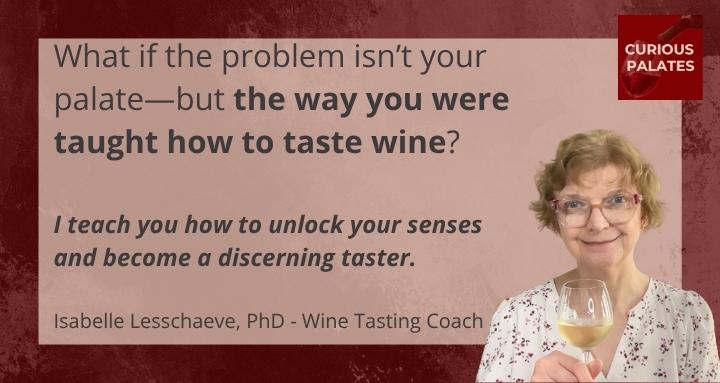
# MyClassifiedHeadline Curious Palates: The only community that helps you develop your wine palate by learning to sense flavor nuances first instead of memorizing a list of undefined descriptors. My ideal group member: A wine lover who is tired of guessing and feeling like their palate is broken, even after hours of study. They want a clear, hands-on way to match wine theory and what they actually taste, so they can finally explain with confidence what they enjoy in wine. Curious Palates: Wine Sensing
🔥
1 like • 4d
@Auli Takala thank you. it comes down to practicing and “listening to our nose every day”
🔥
1 like • 4d
@Avinash Khatri thanks.

🔥
4d •
#MyClassifiedsHeadline 🧶
The CLASSIFIED: North Knit Loft: Where every stitch creates joy, every maker belongs, and handmade creations can make a difference. 💛 My Ideal Group Member: A creative knitter or crocheter who loves cozy projects, believes handmade gifts can brighten lives, and wants to create with purpose while inspiring others through kindness, creativity, and community. 🧶✨ 🔗https://www.skool.com/north-knit-loft-2847/when-you-get-stuck-go-to-knit-happens?p=90b91c3a
🔥
1 like • 4d
I used to knit and really enjoyed it until I moved to a warmer climate. I may reconsider after checking your community.

🔥
6d •
Are You Up For A Challenge...?
Whether you are looking for visibility, traffic, connections, or conversions, it all starts with consistency. If you've been meaning to start posting in the CLASSIFIEDS or you have been meaning to be more consistent OR you are just not sure what to actually post, this is your week! Beginning on Thursday, we will do a 6-Day Challenge to help you engage more, build more, and profit more. In the past, these challenges have been really popular and have led to new members, new connections, and new collaborations. Here's how it works: 1. Each day, I will post a new #post and pin it. You will then respond IN A NEW POST with the #Hashtag in the title. This does not count as your one post of the day - it is a bonus! 2. After you create your post, you then find three other posts that speak to you and leave an engaging comment that inspires conversation or follow-up. This is where the real magic happens! That's it. It's pretty simple. I know it's a holiday weekend for some, but this whole endeavour should take no more than 10 minutes, so it's a great way to stay active without having to spend too much time or too much energy. So..... who's in?!?!?!?

🔥
5 likes • 6d
Pretty simple, indeed. Thanks for the opportunity.
1-10 of 89

🔥
@isabelle-lesschaeve-6005
Sensory scientist turned tasting coach, I help wine lovers hone their tasting skills with proven frameworks + training. Stop guessing, start sensing!
Online now
Joined Oct 19, 2025
Atlanta, GA
Powered by